

How to Re-Polish Jade at Home: A Professional Guide
You’ve noticed it—the once-vibrant, deep luster of your favorite jade piece has turned cloudy or dull. Whether it’s a family heirloom or a daily-wear pendant, jade is a “living” stone that absorbs its environment. Over time, skin oils, microscopic abrasions, and dust can rob the stone of its signature “mutton fat” or “glassy” sheen. But here is the good news: you don’t need a lapidary workshop to restore it. With the right grit sequence and a bit of patience, you can achieve a professional-grade finish at your kitchen table.
Understanding Your Jade: Nephrite vs. Jadeite
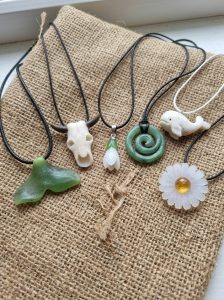
Before you pick up any abrasives, you must understand the material. In the world of gemology, “jade” refers to two distinct minerals:
- Nephrite: Known for its extreme toughness due to an interlocking fibrous structure. It usually polishes to a waxy or resinous luster.
- Jadeite: Rarer and harder than nephrite. It features a granular crystal structure and takes a vitreous (glass-like) polish.
Because jade is exceptionally tough (not to be confused with hardness), it doesn’t chip easily, but it does “undercut” if you use the wrong technique. Undercutting occurs when softer areas of the stone wear away faster than harder spots, resulting in an “orange peel” texture. Our method focuses on avoiding this by using consistent, flat pressure.
The Essential DIY Toolkit
To re-polish jade without heavy machinery, you will need the following materials. Do not skip the higher grits; the secret to a mirror finish is the transition between 1,000 and 3,000 grit.
- Silicon Carbide (SiC) Sandpaper: Waterproof sheets in grits 400, 600, 1200, and 3000.
- Diamond Paste or Cerium Oxide: For the final “pop.” 50,000 mesh diamond paste is ideal for jadeite.
- Leather or Felt Scrap: To be used as a polishing pad.
- Lubricant: Water is sufficient, though a drop of dish soap helps reduce surface tension.
- Microfiber cloth: For constant inspection.
Step-by-Step Restoration Process
Step 1: The Deep Clean
Before sanding, remove all surface contaminants. Use lukewarm water and a soft-bristled brush. Avoid ultrasonic cleaners or harsh chemicals, as many jade pieces are Type B (polymer impregnated) or Type C (dyed). Harsh chemicals can degrade the resins used to stabilize the stone.
Step 2: Correcting Surface Imperfections (400–600 Grit)
If your jade has visible scratches, start with 400-grit wet/dry sandpaper. Always sand wet. Water acts as a coolant and prevents the stone’s dust from entering your lungs—a critical safety step in lapidary work.
Use a circular motion. Your goal here isn’t to make it shine; it’s to create a perfectly uniform, matte surface. Once all deep scratches are replaced by the uniform scratches of the 400-grit, move to 600-grit to refine the texture.
Step 3: Pre-Polishing (1200–3000 Grit)
This is where the magic starts. By the time you finish with 3000-grit SiC paper, the jade should show a “satiny” reflection. If you see any remaining deep scratches from Step 2, you must go back. Polishing compounds cannot hide scratches; they only make them more visible.
Step 4: The Final Buff (The Pro Secret)
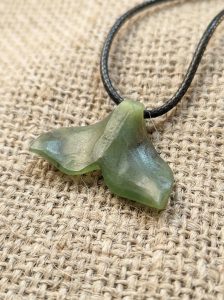
To achieve that wet, high-gloss look seen in high-end jewelry, you need a polishing compound. Apply a pea-sized amount of Cerium Oxide or 0.5-micron diamond paste to a piece of firm leather (the “flesh” side).
Rub the jade against the leather with significant pressure. The heat generated by friction helps the compound react with the surface of the stone to create a Beilby layer—a microscopically thin, amorphous layer that gives gems their ultimate shine.
Why Technique Matters
One common mistake is “over-polishing” one spot. This creates a lens effect that distorts how light travels through the stone. Always treat the surface as a whole. If you are working on a Jade Pendant, ensure you follow the contours of the carving. For intricate areas, use a dampened toothpick dipped in diamond paste to reach the crevices.
Expert Tip: If you are working with Nephrite, don’t be discouraged if it doesn’t look like glass. High-quality Nephrite is prized for its “oily” feel and soft glow, whereas Jadeite is expected to be reflective.
Maintaining Your Jade
Once restored, keep your jade away from perfumes and hairsprays. The porous nature of the stone means these chemicals can seep into micro-fissures, dulling the polish over time. Simply wipe it with a damp microfiber cloth after wearing.
If you find that your stone is too damaged for a DIY fix, or if you’re looking to add a professionally finished piece to your collection, you can browse and buy authentic jade pendants on our website. We ensure every piece is polished to its maximum optical potential using traditional and modern lapidary techniques.
Frequently Asked Questions
1. Can I use a Dremel tool to polish my jade?
Yes, but be careful. High RPMs can generate excessive heat, which may cause the jade to crack or “burn” the polishing compound into the stone. Always use the lowest speed setting and keep the stone wet.
2. Why does my jade look cloudy after sanding?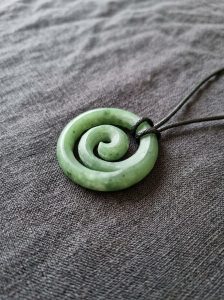
This usually means you skipped a grit level or didn’t sand long enough at the 1200-grit stage. The cloudiness is actually thousands of tiny scratches. Go back to 600-grit and work your way up more slowly.
3. Is it safe to polish dyed jade?
Polishing dyed jade (Type C) can be risky. The dye often resides near the surface, and aggressive sanding can remove the color, revealing a pale or greyish interior. Always test a small, inconspicuous area first.
Meta Description: Learn how to re-polish jade at home with this expert guide. Master the grit sequence and professional buffing techniques to restore your jade’s shine.