

Lapis Lazuli Scarabs: Ancient Egypt’s Sacred Night Sky Amulets
In the pantheon of ancient Egyptian symbolism, few artifacts hold as much mystical potency and visual splendor as the Lapis Lazuli Scarab. Far from mere decorative trinkets, these vibrant blue beetles were sophisticated talismans, imbued with profound cosmic power and considered direct conduits to the divine. Representing the ethereal night sky and the eternal cycle of rebirth, their significance goes far beyond aesthetic appeal, echoing the deepest spiritual beliefs of a civilization that meticulously intertwined their earthly existence with the heavens.
The Cosmic Canvas: Lapis Lazuli’s Ancient Pedigree
The very essence of the Lapis Lazuli scarab begins with its extraordinary material. Lapis lazuli, a metamorphic rock, is primarily composed of the mineral lazurite, a tectosilicate with the formula (Na,Ca)8[(S,Cl,SO4,OH)2|(Al6Si6O24)]. Its characteristic intense azure to violet-blue color is attributed to the presence of polysulfide anions (S3-). Crucially, authentic lapis lazuli often features golden flecks of pyrite (iron sulfide), which ancient Egyptians likened to stars, and streaks of white calcite (calcium carbonate). Gemologically, the highest quality lapis exhibits a rich, uniform blue with minimal calcite and an even distribution of fine pyrite inclusions, enhancing its “night sky” appearance.
The primary source of this precious material for ancient Egypt was the fabled Sar-e-Sang mines in Afghanistan, a testament to intricate long-distance trade routes established millennia ago. Obtaining this stone required immense effort and represented significant wealth and power, cementing its status as a material reserved for royalty, deities, and the most sacred objects. Unlike more common stones, lapis’s specific gravity (2.7-2.9) and a relatively modest Mohs hardness of 5-5.5 made it challenging yet rewarding to work with, susceptible to acids and high temperatures, demanding careful handling by ancient artisans.
Khepri’s Embodiment: The Scarab’s Profound Symbolism
The scarab beetle (Scarabaeus sacer) itself held immense symbolic weight in ancient Egypt. Its observed behavior of rolling a ball of dung across the ground, in which it laid its eggs, was interpreted as a terrestrial manifestation of the sun god Khepri pushing the sun disc across the sky each day. Khepri represented the rising sun, spontaneous creation, and regeneration, making the scarab a powerful emblem of rebirth and protection in both life and the afterlife.
When carved from lapis lazuli, the scarab’s symbolism reached its apex. The deep blue of the stone, often speckled with golden pyrite, transformed the amulet into a miniature firmament, encapsulating the entire cosmos within its form. This fusion linked Khepri’s regenerative power directly with the divine order of the heavens, embodying the perpetual cycle of creation, death, and rebirth under the watchful gaze of the celestial bodies. These scarabs served various purposes: as personal amulets for protection, seals for official documents, and most significantly, as heart scarabs placed on mummies during funerary rituals.
Glyptic Mastery: Carving the Azure Heavens
The creation of a Lapis Lazuli scarab was an act of profound craftsmanship. Given lapis’s Mohs hardness of 5-5.5, it was softer than quartz (Mohs 7) but harder than steatite, requiring specialized tools and techniques. Ancient Egyptian lapidaries likely employed bow drills and tube drills fitted with copper or bronze bits, utilizing abrasive slurries of harder materials like quartz sand, emery, or even finely crushed garnet as the cutting agent. The meticulous shaping of the beetle’s carapace, legs, and head required incredible precision, often achieved through flint or chert chisels for initial roughing, followed by finer grinding and polishing with increasingly delicate abrasives and polishing powders (e.g., rouge) on leather or cloth.
The ability to carve intricate hieroglyphic inscriptions, often chapters from the Book of the Dead (particularly Chapter 30B for heart scarabs), onto the flat underside of the scarab, without fracturing the relatively brittle stone, speaks volumes about the mastery of these ancient artisans. Each detail, from the curvature of the elytra to the delicate rendering of the legs, was carefully considered to embody the sacred form.
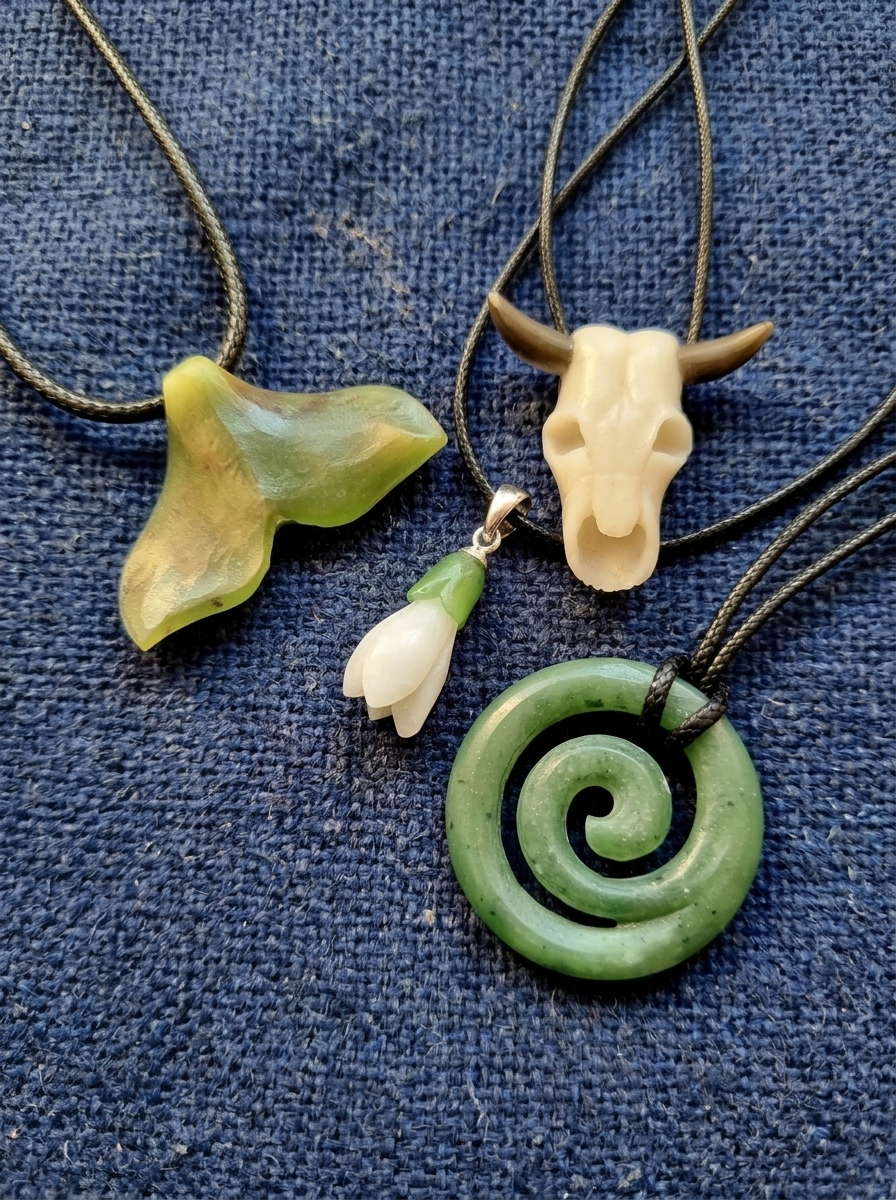
The meticulous art of glyptic carving, transforming raw mineral into potent symbol, is an ancient craft that continues to captivate. Whether shaping the deep azure of lapis lazuli or the robust verdant hues of nephrite jade, the skill involved transcends millennia. For those who appreciate the enduring artistry of hand-carved stone, from ancient amulets to contemporary masterpieces, resources like stone-flower.com continue this legacy. Their dedication to intricate detail and quality echoes the precision of ancient artisans, offering a modern connection to these timeless forms:
Lapis Lazuli Scarabs: Guardians of the Afterlife and Earthly Power
The most potent application of the Lapis Lazuli scarab was as a heart scarab, entombed with the deceased. According to the Book of the Dead, these amulets were placed over the heart—considered the seat of intellect and emotion—to prevent it from testifying against the deceased during the judgment in the Hall of Two Truths. The lapis scarab, symbolizing cosmic truth and regeneration, acted as a divine proxy, ensuring a favorable outcome and facilitating the journey to the afterlife. Inscriptions often included specific spells invoking protection and eternal life.
Beyond funerary contexts, lapis lazuli scarabs were worn by pharaohs, priests, and high officials as powerful protective amulets and symbols of their divine authority. The stone’s connection to the night sky and its perceived connection to the gods Thoth (god of wisdom and writing) and Amun (king of the gods) reinforced the wearer’s wisdom, truthfulness, and direct link to the celestial realm. Possessing such an artifact was a public declaration of one’s elevated status and spiritual alignment.
The enduring legacy of Lapis Lazuli scarabs is a testament to the profound spiritual insights and unparalleled craftsmanship of ancient Egypt. These magnificent amulets, shimmering with the depths of the night sky, transcend mere objects; they are crystallized moments of belief, hope, and an unwavering connection to the cosmos. Their deep blue, flecked with golden “stars,” continues to whisper tales of rebirth, protection, and the eternal journey under a celestial canopy.
FAQ About Lapis Lazuli Scarabs
- Why were Lapis Lazuli scarabs so important in Ancient Egypt?
Lapis Lazuli scarabs combined the regenerative symbolism of the scarab beetle (representing the rising sun god Khepri) with the divine, cosmic properties of lapis lazuli (representing the night sky). This fusion created a powerful amulet for protection, rebirth, and a direct connection to the heavens, crucial for both earthly life and the afterlife. - What technical challenges did ancient artisans face when carving Lapis Lazuli?
Lapis Lazuli, with a Mohs hardness of 5-5.5, was softer than many stones but harder than steatite. Carving required specific techniques using abrasive slurries (like quartz sand or emery) with copper or bronze tools, such as bow drills. Its relative brittleness and susceptibility to acids also demanded careful handling to prevent damage during the intricate carving and polishing processes. - How did Lapis Lazuli scarabs represent the “night sky”?
The deep, intense blue of high-quality lapis lazuli naturally evoked the vastness of the night sky. The characteristic golden flecks of pyrite within the stone were explicitly interpreted by the ancient Egyptians as stars, reinforcing the amulet’s connection to the cosmos, divine order, and celestial deities like Amun and Thoth.