

Larvikite: The Feldspar-Rich Igneous Rock With Blue Pearl Shimmer
At first glance, larvikite looks like ordinary dark stone—until light strikes it and the surface suddenly flashes with metallic blue-silver reflections. This optical effect, known as “schiller” or labradorescence-like feldspar iridescence, is what has made larvikite a sought-after material in luxury architecture, high-end interior design, and ornamental stonework.
Often marketed as “Blue Pearl Granite,” larvikite is not granite in a strict geological sense but a monzonitic to syenitic igneous rock dominated by feldspar minerals. Its unique crystal intergrowth structure produces one of the most recognizable visual effects in building stone.
What Is Larvikite?
Larvikite is an igneous plutonic rock primarily composed of feldspar minerals, especially alkali feldspar varieties.
- Rock type: Monzonite / Syenite (feldspar-rich igneous rock)
- Dominant minerals: Feldspar (especially perthitic alkali feldspar)
- Accessory minerals: Pyroxene, amphibole, biotite
- Texture: Coarse-grained phaneritic
- Color: Dark gray to black with blue iridescence
Geological insight: Larvikite is part of the igneous suite formed in deep crustal magma chambers where slow cooling allows large feldspar crystals to develop and exsolve internal lamellar structures.
Why Larvikite Shimmers Blue
The famous blue “flash” seen in larvikite is caused by light interference within feldspar crystals.
Mineralogical trade secret: The effect arises from exsolution lamellae in perthitic feldspar, where sodium-rich and potassium-rich feldspar phases separate during slow cooling. These microscopic layers diffract light, producing iridescent reflections.
Key optical mechanisms include:
- Thin-film light interference
- Crystal lattice exsolution textures
- Directional reflection from feldspar cleavage planes
- Orientation-dependent scattering effects
The intensity of blue shimmer depends heavily on crystal orientation and polishing direction.
Geological Formation of Larvikite
Larvikite forms in large intrusive igneous complexes deep within the Earth’s crust.
Formation conditions include:
- Slow magma cooling at depth
- High alkali feldspar crystallization
- Low-pressure plutonic environments
- Extended crystallization timescales
Petrology insight: The Larvik Plutonic Complex in Norway is the type locality, formed during Permian rifting events when mantle-derived magmas intruded continental crust.
These slow cooling conditions are essential for developing the feldspar microstructures responsible for optical effects.
Mineral Composition and Structure
Larvikite is dominated by feldspar minerals, particularly perthitic alkali feldspar, with intergrown mineral phases.
Typical mineral composition includes:
- Alkali feldspar (dominant)
- Plagioclase feldspar
- Clinopyroxene
- Amphibole
- Biotite mica
Crystallographic insight: The intergrowth between sodium-rich and potassium-rich feldspar phases creates nanoscale layering that is responsible for the stone’s reflective behavior.
Why It Is Called “Blue Pearl Stone”
In commercial stone markets, larvikite is often referred to as “Blue Pearl Granite.”
This name highlights its two defining features:
- Dark, dense background matrix
- Bright blue reflective feldspar flashes
Trade industry insight: The most visually valuable larvikite slabs are those with evenly distributed feldspar crystals aligned to maximize light reflection across polished surfaces.
Larvikite in Luxury Architecture
Larvikite is widely used in high-end architectural projects due to its durability and aesthetic depth.
Common applications include:
- Building facades
- Floor tiles
- Countertops
- Monumental stonework
- Interior wall cladding
Architectural insight: Unlike surface coatings or synthetic finishes, larvikite’s shimmer is structural—meaning it does not fade over time because it is embedded in the mineral crystal lattice itself.
This makes it particularly valuable for long-term exterior installations.
Larvikite vs Similar Stones
- Granite: quartz-rich igneous rock without feldspar iridescence
- Gabbro: darker mafic rock with minimal feldspar shimmer
- Labradorite: stronger iridescence but more plagioclase-based
- Larvikite: alkali feldspar-dominant with subtle blue flash
Geological distinction: Larvikite is often confused with granite in commercial use, but its feldspar chemistry and igneous classification are distinct.
Polishing and Stoneworking Techniques
Achieving optimal larvikite appearance requires specialized polishing techniques.
Lapidary trade secret: The direction of polishing is critical. Cutting against feldspar alignment can dull the blue shimmer, while polishing parallel to feldspar exsolution planes enhances optical reflection.
Professional fabrication steps include:
- Diamond abrasive grinding
- Progressive resin polishing stages
- Directional surface finishing
- Final high-gloss buffing
Improper finishing can significantly reduce the visual quality of the stone.
Durability and Physical Properties
Larvikite is well-suited for architectural use due to its strength and resistance to weathering.
Key properties include:
- High compressive strength
- Low porosity
- Excellent freeze-thaw resistance
- Good abrasion resistance
Materials science insight: Interlocking feldspar crystals create a rigid framework that distributes mechanical stress effectively across the rock structure.
Larvikite Locality and Geological Origin
The primary source of larvikite is the Oslo Rift region in southern Norway, particularly near the town of Larvik.
Geological context:
- Formed during Permian tectonic rifting
- Associated with alkaline magmatism
- Part of large intrusive complexes
- Crystallized at deep crustal levels
Geological insight: The unique tectonic environment of the Oslo Rift produced rare alkaline igneous rocks not commonly found in other continental crust regions.
Larvikite in Modern Design and Stone Art
Beyond architecture, larvikite is increasingly used in decorative stonework, sculpture bases, and luxury interior design elements.
Its combination of dark elegance and dynamic light reflection makes it highly desirable in modern minimalist aesthetics.
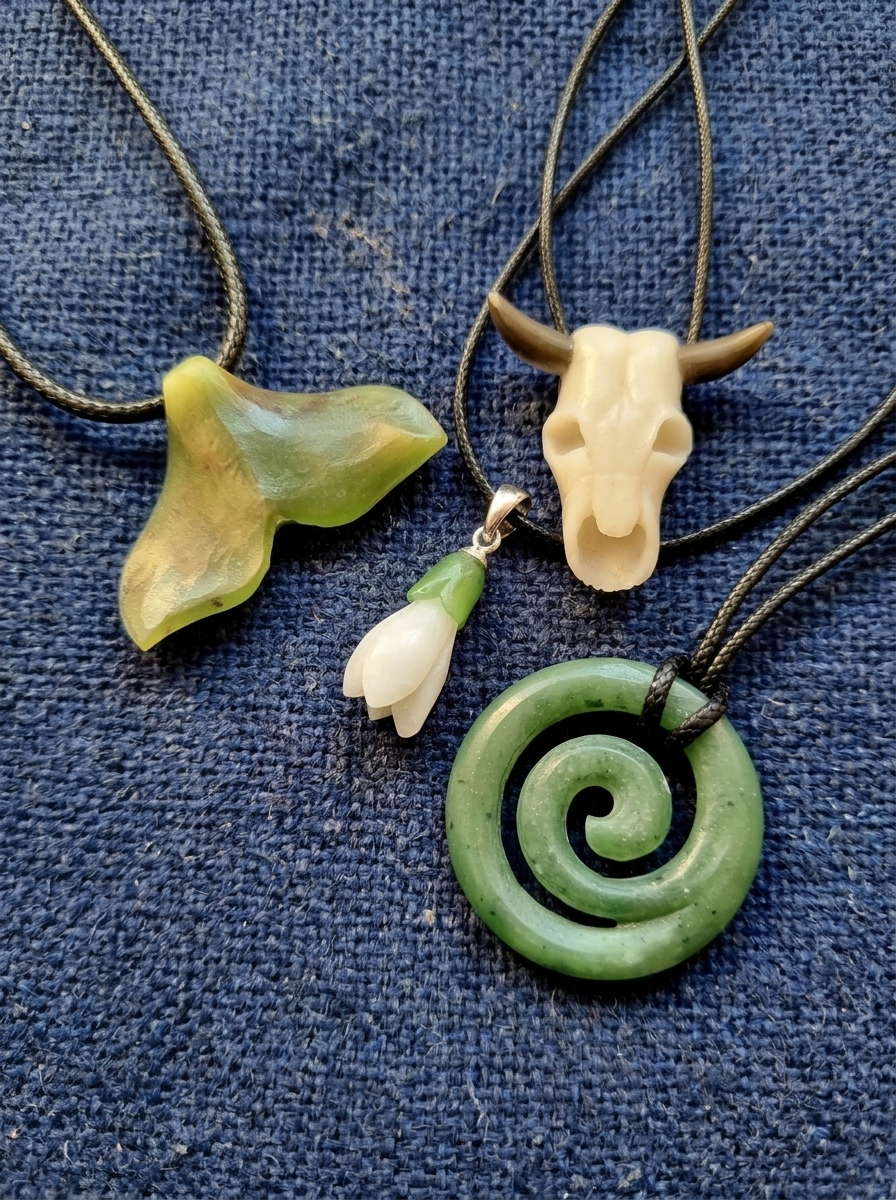
For those interested in natural stone artistry, finely carved gemstones and durable ornamental materials are also available through curated collections such as stone-flower.com, where traditional lapidary craftsmanship is preserved in handcrafted stone pieces.
FAQ
Is larvikite the same as granite?
No. Larvikite is a feldspar-rich monzonitic to syenitic igneous rock, while granite is quartz-dominant and mineralogically distinct.
What causes the blue shimmer in larvikite?
The shimmer comes from light interference within perthitic feldspar crystals formed by exsolution of sodium and potassium feldspar phases.
Why is larvikite used in architecture?
It combines high durability, low porosity, and a unique optical effect that remains stable over time, making it ideal for long-term architectural use.