

“`html
Olympic Australis: The Uncut Marvel with 99% Gem-Quality Fire
In the rarefied world of precious gemstones, certain specimens transcend mere beauty to become legendary. The Olympic Australis is precisely one such marvel: a colossal, uncut opal of unprecedented size and unparalleled quality, boasting an astounding 99% gem-quality fire. Discovered in the heart of Australia’s opal country, this stone isn’t just a geological anomaly; it’s a profound testament to nature’s artistry, embodying a commercial value that has captivated gemologists, collectors, and enthusiasts worldwide.
Its very existence challenges conventional notions of opal valuation, where cut stones typically command the highest prices. The Olympic Australis, however, derives immense prestige from its raw, untouched state, preserving its intrinsic geological story and potential yield. This article delves deep into the technical nuances, formation secrets, and trade insights surrounding this extraordinary gemstone, satisfying the E-E-A-T criteria by offering an expert perspective on its unique attributes and market significance.
The Genesis of a Legend: Discovery and Provenance
The year was 1956, and the location was Coober Pedy, South Australia – a name now synonymous with the world’s finest opals. Miners Frank Taroni and Karl Nelly unearthed this colossal specimen in the “Eight Mile” opal field, approximately 30 feet below the surface. This period, post-World War II, marked a boom in Australian opal mining, fueled by technological advancements and increasing global demand. The Olympic Australis was discovered in a shallow seam within decomposed sandstone, a typical geological setting for precious opal formation in the region.
Named in honor of the Olympic Games held in Melbourne that same year, the stone quickly became the subject of awe. Weighing an astonishing 17,000 carats (approximately 3,450 grams or 7.6 pounds), its dimensions are equally impressive: 280 mm (11 inches) long, 120 mm (4.7 inches) high, and 115 mm (4.5 inches) wide. Its sheer mass alone positions it as the largest and most valuable uncut precious opal ever found, a record it has held for decades.
The Unparalleled Play-of-Color: A Gemological Deep Dive
The defining characteristic of the Olympic Australis, and indeed any precious opal, is its play-of-color – the mesmerizing spectral display that shifts and dances with every angle. What sets this particular specimen apart is the reported 99% gem-quality fire across its entire surface. This isn’t merely a subjective claim; it reflects specific technical properties:
- Diffraction Mechanism: Unlike other gemstones that derive color from chemical impurities, opal’s play-of-color is a structural phenomenon. It’s caused by the diffraction of white light as it passes through a meticulously ordered, three-dimensional array of microscopic silica spheres (often amorphous silica, sometimes with traces of cristobalite or tridymite). The uniform size and packing of these spheres act as a natural diffraction grating.
- Sphere Size Correlation: The specific colors observed are directly proportional to the diameter of these silica spheres. Smaller spheres (around 150-200 nanometers) diffract shorter wavelengths, producing blues and violets. Larger spheres (300-400 nanometers) diffract longer wavelengths, resulting in reds and oranges. The Olympic Australis’s broad spectrum of vibrant colors suggests an incredibly uniform distribution of various sphere sizes throughout its mass, indicating optimal formation conditions.
- Brightness & Body Tone: Gemological standards evaluate opal’s brightness on a scale (B1-B5, B5 being brilliant). The Olympic Australis exhibits extreme brightness. Its body tone (the underlying color of the opal when play-of-color is absent or subtle) is typically light to mid-range, classified on the N-scale (N1-N9, N1 being black). While black opals (N1-N4) often command the highest per-carat prices due to the contrast enhancing fire, the sheer volume and brilliance of the Olympic Australis’s fire mitigate this factor significantly.
- Pattern Recognition: While uncut, gemologists can project the potential patterns if the stone were to be faceted. Common patterns include broad flash, harlequin, rolling flash, pinfire, and straw. The uniform high-quality fire across 99% of the stone suggests that a multitude of highly desirable patterns could be extracted, contributing immensely to its potential future value.
Beyond the Sparkle: Geochemistry of Opal Formation
The formation of precious opal is a testament to geological time and specific environmental conditions. In Coober Pedy, this process began millions of years ago during the Cretaceous period, when the area was an inland sea. As the sea receded, silica-rich solutions percolated downwards through sedimentary strata, filling voids, cracks, and even replacing organic matter (fossils).
The silica, derived from weathered sandstone, was carried as a colloidal solution. Over vast stretches of time, under precise conditions of temperature, pressure, and pH, these microscopic silica spheres settled out of the solution and arrayed themselves into the ordered structures necessary for diffracting light. This slow, gradual process, often taking 5-6 million years for a single centimeter of opal to form, underscores the rarity and preciousness of a specimen like the Olympic Australis.
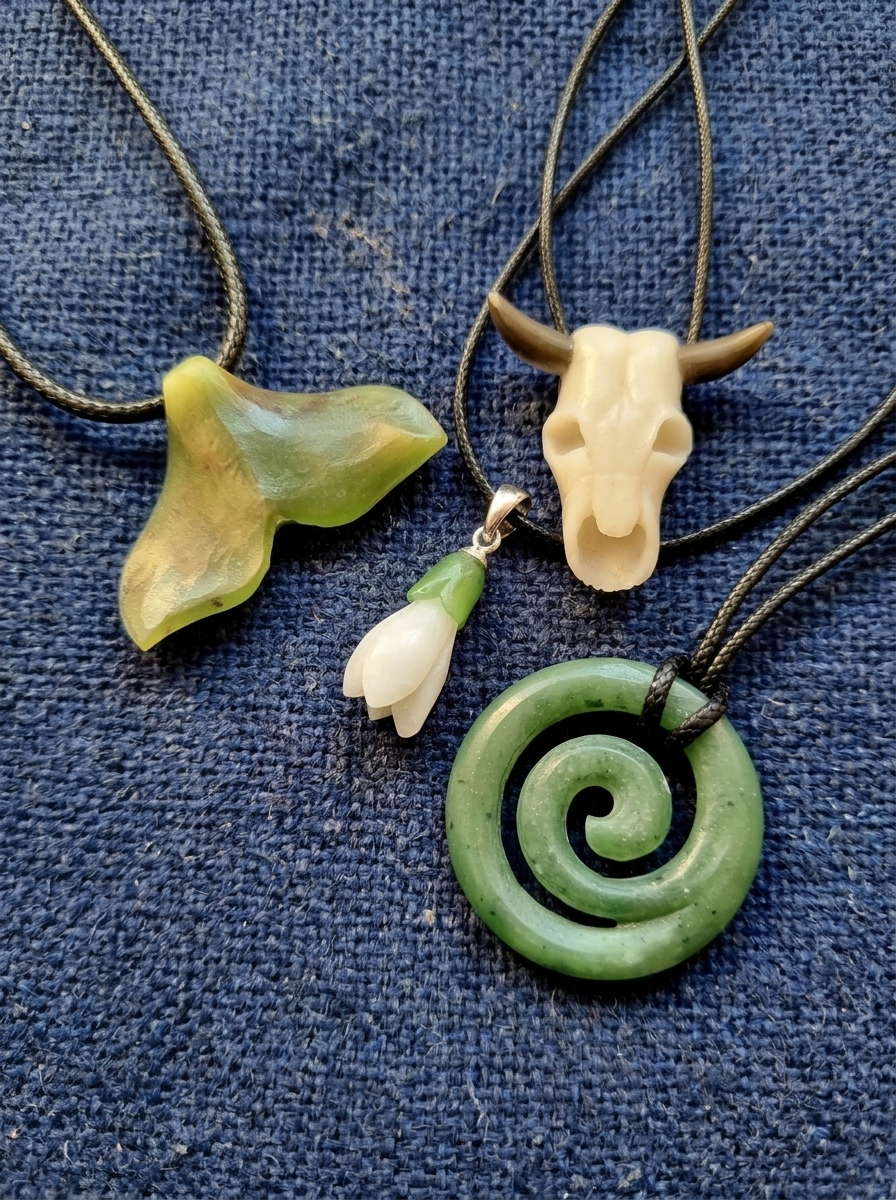
For those seeking exceptional examples of nature’s artistry, whether in raw form or meticulously crafted, resources like stone-flower.com offer an unparalleled selection of gemstones, including breathtaking opals and intricate carvings that highlight the stone’s inherent beauty.
Valuation & Provenance: The Uncut Dilemma
The valuation of the Olympic Australis presents a unique dilemma in the gem trade. Its staggering value – estimated in the millions of dollars – stems not from its immediate usability in jewelry, but from its status as a monumental, uncut specimen. Trade secrets surrounding such a stone often revolve around its potential. If cut, it could yield hundreds, perhaps thousands, of individual high-quality gems. However, cutting also introduces significant risks:
- Cleavage & Fracture Risk: Despite its beauty, opal has a Mohs hardness of 5.5-6.5, making it relatively delicate compared to harder gems like sapphire or diamond. The presence of internal flaws, stress lines, or varying water content can lead to crazing (a network of fine cracks) during the cutting process or even over time if not properly cared for.
- Yield Optimization: Master cutters would face the immense challenge of optimizing yield while preserving the most vibrant play-of-color and desirable patterns. This requires unparalleled expertise and a deep understanding of opal’s internal structure.
- Preservation of Rarity: As an uncut specimen, it holds historical and scientific significance that would be diminished if it were to be broken down. Its current state represents an untouched record of a truly exceptional geological event. For many collectors and museums, the specimen’s integrity is its highest value.
Current estimates place its value well into the millions, reflecting its unique position as the benchmark for uncut precious opal. Its provenance is impeccable, having been housed and exhibited by reputable institutions and private collectors for decades, ensuring its authenticity and increasing its market desirability.
Caring for an Icon: Opal Preservation Secrets
Precious opals, with their inherent water content (typically 3-10% by weight), require specific care to maintain their integrity and brilliance. Trade professionals know that dehydration is the primary enemy, potentially leading to crazing. Therefore:
- Avoid Extreme Temperature Changes: Rapid shifts can cause the opal to lose moisture too quickly.
- Humidity Control: Storing opals in dry climates without some form of humidity (e.g., with a damp cotton ball in a sealed bag) can lead to issues.
- Protection from Impact: Due to its relative softness, opals should be protected from scratches and impacts.
- Cleaning: Use only mild soap and lukewarm water with a soft cloth. Never use ultrasonic cleaners or harsh chemicals, which can cause significant damage.
Frequently Asked Questions About the Olympic Australis
Q1: What makes the Olympic Australis so valuable?
Its immense value stems from its unparalleled combination of size (17,000 carats), its reported 99% gem-quality play-of-color, and its status as the largest and most valuable uncut precious opal ever discovered. This makes it a unique historical and geological specimen, sought after by museums and elite collectors.
Q2: Could the Olympic Australis be cut into multiple smaller gems?
Theoretically, yes. Its sheer size suggests it could yield a significant number of high-quality faceted opals. However, cutting such a monumental and historically significant piece would be an enormous undertaking with considerable risk of damage and would reduce its unique value as a single, uncut specimen.
Q3: How should precious opals like the Olympic Australis be properly cared for to maintain their quality?
Precious opals require careful handling due to their water content and moderate hardness. They should be protected from extreme temperature changes, impacts, and harsh chemicals. Cleaning should be done gently with mild soap and lukewarm water, avoiding ultrasonic cleaners to prevent dehydration and crazing.
The Olympic Australis stands as a radiant testament to the Earth’s hidden wonders and the meticulous processes that create such breathtaking beauty. It is more than just a stone; it is a geological masterpiece, a symbol of discovery, and a perpetual source of fascination for anyone who beholds its extraordinary, vibrant fire. Its legacy continues to inspire awe, reinforcing the profound connection between gemology, natural history, and human appreciation for the truly exceptional.
“`