&url=https://stone-flower.com/shop/our-works/polish-jade-by-hand-guide/&media=https://stone-flower.com/wp-content/uploads/Снимок-экрана-2026-10-05-102654.png)
Description
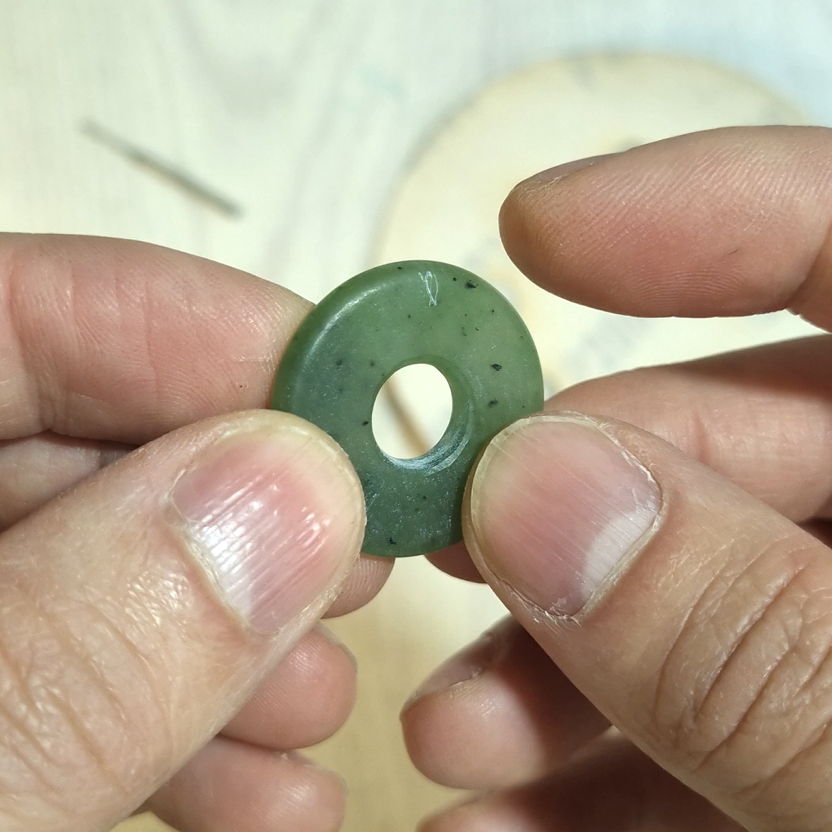
Polish jade by hand is the central subject of this no-power-tools video guide. The listing presents it as educational material about removing scratches and polishing jade; it does not promise identical results for every stone or object.
Polish Jade by Hand: what this video guide covers
This video guide is titled “How to Remove Scratches and Polish Jade at Home by Hand (No Power Tools).” It is intended for people who want to understand a manual approach to working on jade and who prefer a demonstration to a list of isolated tips. The product is an educational video, not a piece of jewelry, a polishing kit or a promise that every scratch can be removed. Review the product details before purchase for the current access method and any delivery information.
Polish jade by hand is the central subject named in the course title. The guide focuses on a process that does not rely on power tools, which may be useful to viewers exploring small-scale lapidary work or learning about the patience involved in refining stone. Working by hand generally calls for attention to the surface and a controlled pace. The video’s purpose is to show a method; the result on any particular stone depends on the material, the existing finish, the depth of the mark and the viewer’s technique.
Before attempting any work, identify the object and consider its value, construction and condition. A scratch on a loose practice piece is different from damage on a finished carving, a mounted gemstone or an heirloom. Do not use a new technique on a valuable object without advice from a qualified lapidary professional. Jade is a natural material, and the word “jade” can refer to different gem materials; an unsuitable abrasive or excessive pressure may leave a worse surface than the original mark. The video should be treated as learning material, not a guarantee of repair.
Viewers can use the guide to build a clearer understanding of hand polishing as a sequence rather than a single quick action. Careful observation, a suitable work area and deliberate handling matter whenever a hard material is being shaped or refinished. Work only on an item you are prepared to practice on, follow appropriate safety precautions for the materials and tools involved, and stop if the surface or stone behaves unexpectedly. If a project involves a valuable, cracked or mounted piece, seek professional assessment instead of experimenting.
The “no power tools” wording describes the focus of this video; it should not be read as a claim that one method suits every kind of stone or every type of damage. Scratch depth, previous treatments, polish, shape and setting all affect what is appropriate. A viewer should avoid assuming that a visible mark can always be removed without changing the surrounding surface. The aim of learning is to make an informed decision about a process, not to promise a uniform finish across different objects.
When considering whether this guide is right for you, think about your experience, the item you plan to work on and the kind of result you expect. Beginners may appreciate watching a process before deciding whether to practice, while experienced makers can compare the demonstration with their own approach. Check the product page for the exact purchase and access terms; the listing does not imply a particular runtime, transcript, downloadable file or included tools unless those details are explicitly stated.
For independent background on the gemstone, consult the Gemological Institute of America’s jade information. Explore other Stone-flower offerings from the main site. This guide is educational content, and individual results depend on the object and the person applying any technique.