

The Andamooka Opal: Unveiling the Queen’s 203-Carat Semi-Black Majesty
Prepare to be captivated by a gem of unparalleled regal elegance and profound geological marvel: the Andamooka Opal. Known reverently as the “Queen’s Opal,” this magnificent 203-carat semi-black specimen is not merely a stone; it is a chapter in Earth’s history, a triumph of expert gemology, and a symbol of enduring beauty. Its journey from the rugged outback of South Australia to the esteemed collection of Queen Elizabeth II is a tale steeped in discovery, transformation, and a testament to the mesmerizing optical phenomena unique to precious opal.
The Genesis of a Queen’s Gem: Andamooka’s Geological Rarity
The Andamooka Opal field, located approximately 520 kilometers north of Adelaide, South Australia, is renowned for producing some of the world’s most spectacular sedimentary opals. Unlike volcanic opals, which form in vesicles within igneous rocks, Andamooka opals originate in a fascinating process within ancient marine sedimentary basins. Here, silica-rich solutions permeated porous rocks like sandstone and mudstone, typically within the Cretaceous-age Bulldog Shale and Tent Hill Formation. Over millions of years, microscopic spheres of amorphous silica (SiO₂·nH₂O) precipitated and settled into an ordered, three-dimensional lattice structure. The spaces between these spheres retained a small percentage of water, typically 3-10% by weight. It is this precise arrangement of uniform silica spheres that diffracts white light, splitting it into its spectral colors—the breathtaking “play-of-color” that defines precious opal.
What sets Andamooka material apart, particularly for semi-black varieties, is the presence of fine carbonaceous material or dark mineral inclusions within the host rock, or an underlying layer of “potch” (common opal lacking play-of-color). This dark background acts as a canvas, intensifying the iridescent flashes by providing a striking contrast, elevating the perception of brightness and saturation.
Decoding “Semi-Black”: The Nuance of Body Tone
The classification of an opal as “semi-black” is a critical gemological distinction, falling within the intricate body tone scale. This scale ranges from N1 (jet black) to N9 (milky white). A semi-black opal typically exhibits a body tone in the N4 to N6 range. For the Andamooka Queen’s Opal, its 203-carat mass, combined with this specific body tone, places it among the most coveted opals globally.
The interplay between the body tone and the play-of-color is paramount to an opal’s value. In the Queen’s Opal, the darker body tone allows the full spectrum of colors—vibrant blues, greens, fiery reds, and golden oranges—to burst forth with astonishing clarity and intensity. Gemologists assess the brightness of this play-of-color on a scale, often B1 (dim) to B5 (brilliant), alongside the specific pattern types, such as “pinfire,” “broad flash,” or the rare “harlequin” pattern. The Andamooka Queen’s Opal is celebrated for its dynamic, broad flash play-of-color, displaying an almost ethereal dance of hues across its perfectly domed surface.
From Rough to Royalty: The Queen’s Opal’s Transformation
Discovered in 1949, the original Andamooka rough was a substantial piece, but like many high-quality opals, it required the skilled hand of a master cutter to unlock its full potential. The 203-carat specimen gifted to Queen Elizabeth II in 1954, during her first visit to Australia, was already a magnificent polished stone. However, its story didn’t end there. In a move that highlights the constant pursuit of perfection in gemology, the Queen’s Opal underwent a significant re-cutting in 1956 by the renowned German cutter George Schuler.
This re-cutting involved a considerable loss of original carat weight, a decision never taken lightly in the world of high-value gemstones. The purpose was to enhance the stone’s brilliance and optimize its play-of-color. Schuler’s expertise involved meticulously orienting the stone to maximize the fire and vibrancy, removing any minor imperfections or “windows” that might dilute the optical effect. This demanding process requires an intimate understanding of the opal’s internal structure, the directionality of its silica spheres, and the subtle art of cabochon cutting to achieve a perfect dome and girdle, ensuring light is optimally captured and refracted. The resulting gem, while perhaps lighter, was transformed into an even more spectacular display of nature’s artistry—a testament to the adage that sometimes, less weight means more beauty.
Expert Insights & Trade Secrets in Opal Valuation and Care
Valuing an opal like the Andamooka Queen’s Opal transcends mere carat weight. Expert gemologists employ a multi-faceted approach, considering:
- Body Tone & Brightness: As discussed, a darker body tone combined with brilliant play-of-color is highly prized.
- Play-of-Color Pattern: Harlequin, broad flash, rolling flash, and pinfire patterns are evaluated for their rarity and visual impact. Broad flash patterns, as seen in the Queen’s Opal, are particularly desirable.
- Dominant Colors: While all colors are beautiful, a prevalence of red and orange flashes significantly increases value due to the larger silica spheres required to diffract these longer wavelengths.
- Clarity & Absence of Inclusions: Free from potch lines, sand spots, or crazing (microfractures caused by dehydration) is crucial.
- Cut & Polish: A perfectly proportioned cabochon, maximizing the play-of-color from all angles and exhibiting an exceptional surface polish, is essential.
For proper identification, advanced gemological techniques are often employed. While basic tests like specific gravity (typically 1.98-2.25 for Australian opals) and refractive index (around 1.450) offer initial indications, more sophisticated methods confirm authenticity. Natural Andamooka opals generally show inert to weak blue or green fluorescence under longwave UV light, differing significantly from the strong, often green, fluorescence seen in many synthetic opals. Further, the internal structure can be examined under magnification to confirm the characteristic arrangement of silica spheres, distinguishing it from doublet or triplet assembled stones.
Maintaining the splendor of an opal, especially one of such historical significance, requires mindful care. Opals are relatively soft (5.5-6.5 on the Mohs scale) and contain water, making them susceptible to damage from:
- Thermal Shock: Rapid temperature changes can cause internal stress, potentially leading to crazing.
- Dehydration: While Andamooka opals are generally stable, prolonged exposure to extremely dry environments can still lead to water loss and crazing.
- Chemicals: Harsh cleaning agents or solvents can damage the opal’s surface or affect its internal structure.
- Impact: Their relative softness means they can be scratched or chipped if not handled with care.
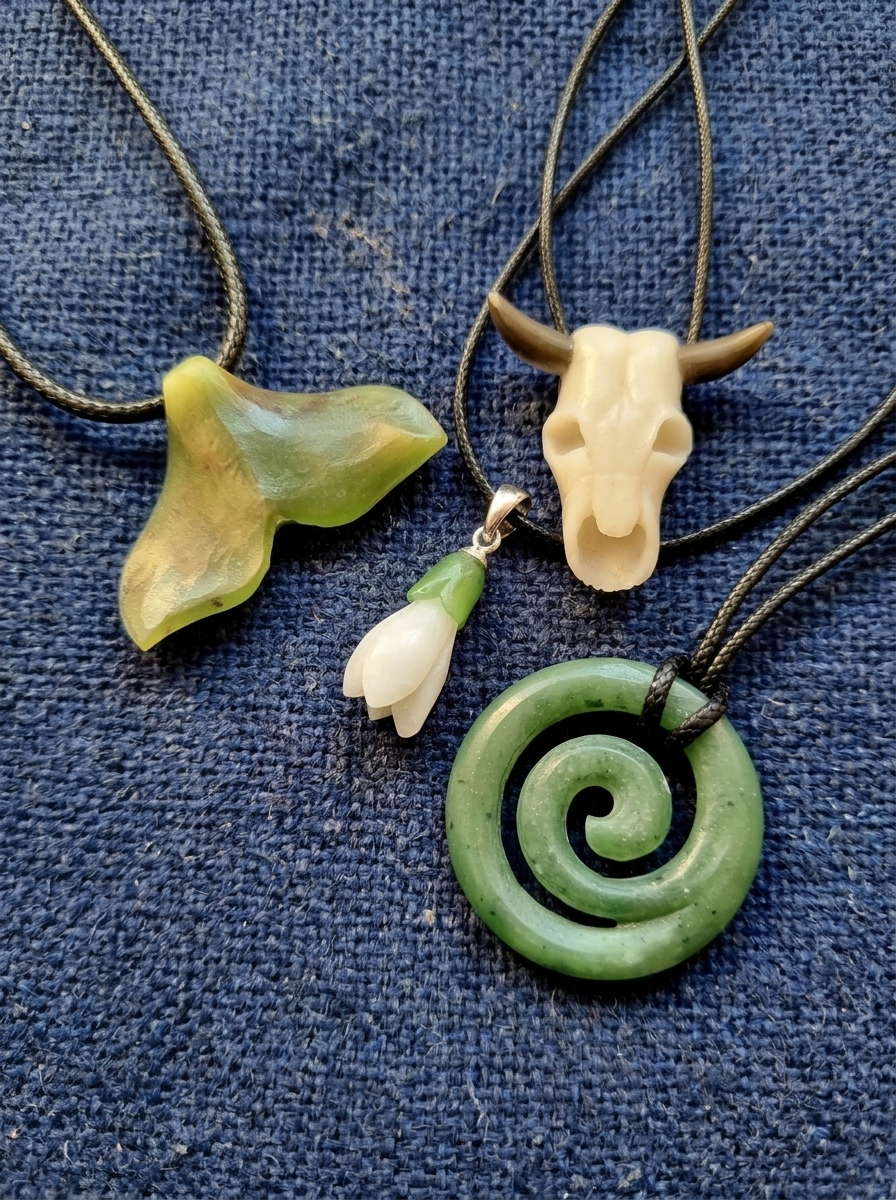
It is advisable to clean opals with only a soft, damp cloth and avoid ultrasonic cleaners or steam cleaners. This dedication to preservation ensures that the gem’s inherent beauty, much like the exquisite craftsmanship seen in pieces offered by stone-flower.com, endures for generations.
FAQ About the Andamooka Opal
Q1: What makes the Andamooka Opal unique compared to other opals?
A1: Andamooka opals are unique due to their sedimentary formation within specific geological conditions in South Australia, often featuring darker body tones that enhance their play-of-color. The Queen’s Opal, in particular, showcases an exceptional size and vibrancy for a semi-black opal from this field.
Q2: What exactly is a “semi-black” opal?
A2: A “semi-black” opal is a type of precious opal characterized by a dark to medium-dark background or body tone, typically ranging from N4 to N6 on the opal body tone scale. This darker base allows the iridescent play-of-color to appear more vivid and intense compared to white or crystal opals.
Q3: How should I properly care for an Andamooka Opal to preserve its beauty?
A3: To care for an Andamooka Opal, avoid sudden temperature changes, harsh chemicals, and prolonged exposure to very dry conditions. Clean it gently with a soft, damp cloth. Store it away from other harder gemstones to prevent scratches, and avoid exposing it to impacts.
A Legacy of Fire and Majesty
The Andamooka Opal, particularly the Queen’s 203-carat semi-black specimen, remains a profound testament to the allure of natural gemstones. Its complex geological origins, the intricate dance of light within its structure, and its storied journey from Australian soil to royal hands combine to create a narrative of unmatched splendor. It is a gemological masterpiece, embodying the rare confluence of raw natural beauty and expert human artistry, forever etched in the annals of history as truly the “Queen’s Opal.”