

Bahía Emerald: Unveiling Earth’s Colossal Green Mystery
A Green Titan Emerges from Bahia’s Depths
The allure of emeralds has captivated humanity for millennia, their vibrant green hue symbolizing renewal, wealth, and power. Yet, few specimens command attention like the Bahía Emerald, a monumental geological marvel discovered in the Brazilian state of Bahia. Weighing an astounding 341 kilograms (approximately 1.7 million carats), this is not a single, faceted gem but a colossal shard, an intricate aggregate of several large emerald crystals embedded within its host rock matrix. Its sheer scale positions it as one of the largest emerald specimens ever unearthed, a testament to the Earth’s profound capacity for producing natural wonders.
The Gemological Profile of a Giant
Understanding the Bahía Emerald requires delving deep into its gemological and geological underpinnings, revealing nuances often overlooked in discussions of mere carat weight.
Mineralogical Marvel: Beryl’s Green Heart
The Bahía Emerald, like all emeralds, belongs to the mineral family beryl (Be3Al2Si6O18). Its characteristic intense green color is primarily due to trace amounts of chromium and, often, vanadium replacing aluminum in the beryl crystal lattice. Iron can also be present, typically lending a bluish cast when abundant. While standard emeralds exhibit a Mohs hardness of 7.5 to 8, making them relatively durable, a specimen of this magnitude, being a crystal aggregate within a matrix, presents unique challenges. Its colossal size implies numerous growth imperfections, internal stresses, and cleavage planes between individual crystals, rendering the entire mass inherently more fragile than a monolithic crystal of comparable quality. Standard gemological measurements like specific gravity (typically 2.67–2.78) and refractive index (1.565–1.602 for ordinary and extraordinary rays) would be taken on smaller, clearer sections, but these values vary across such an immense, heterogeneous specimen.
Genesis in the Metamorphic Crucible
The geological origin of the Bahía Emerald is crucial to appreciating its unique formation. It was discovered in the Carnaíba mining region of Bahia, Brazil, an area renowned for its significant emerald deposits. These emeralds are typically formed through complex hydrothermal processes within a highly specific metamorphic environment. Here, beryllium-rich pegmatitic fluids interact with chromium- and vanadium-bearing basic or ultrabasic rocks, particularly phlogopite schist or black schist. The fluids, superheated and carrying dissolved minerals, penetrate fissures and cavities in the host rock. As these solutions cool and pressure drops, emerald crystals precipitate and grow. The Bahía Emerald’s existence as a massive aggregate suggests a prolonged, stable growth environment where numerous individual crystals coalesced, often growing parallel or sub-parallel to each other, forming a large, interwoven mass rather than a singular, perfect crystal.
Inclusions and Optical Phenomena
Emeralds are famously known for their characteristic inclusions, often referred to as “jardin” (French for garden), which are seen as part of their natural beauty and fingerprint. In a specimen the size of the Bahía Emerald, these inclusions are not merely microscopic features but macroscopically visible components. Common inclusions include:
- Two-phase and three-phase fluid inclusions: Tiny pockets containing liquid, gas, and sometimes a solid crystal (like halite). These are diagnostic for natural emeralds.
- Mica flakes: Particularly phlogopite mica, derived from the host rock, often aligned parallel to the crystal growth.
- Pyrite crystals: Small, metallic inclusions.
- Needle-like actinolite or tremolite: Amphibole mineral inclusions.
The sheer scale of the Bahía Emerald means that significant color zoning—variations in color intensity across different parts of the specimen—is highly probable. Portions could be richly saturated, while others might be paler or exhibit a slightly different hue due to localized variations in chromophore concentration during growth. Transparency would also vary greatly, with some areas being relatively translucent, while others would be opaque due to dense inclusions or the surrounding matrix.
The Controversial Journey: From Mine to Courtroom
The narrative of the Bahía Emerald is as complex and dramatic as its formation. Discovered in 2001 in northern Bahia, the enormous specimen was initially moved to São Paulo. Its journey quickly descended into a convoluted saga of disputed ownership, alleged theft, and legal battles spanning continents.
Following its acquisition by a group of investors, the Bahía Emerald was reportedly stored in a warehouse in New Orleans. The chaos surrounding Hurricane Katrina in 2005 provided an opportune moment for its disappearance. It subsequently reappeared in California, leading to a protracted and highly publicized legal battle involving multiple claimants, including miners, investors, and even entities claiming to represent the original owners from Brazil. The legal quagmire highlighted the challenges of establishing clear provenance and chain of custody for such a unique and high-value, yet uncertified, raw gemological specimen.
At various points, the emerald has been held in police custody, notably by the Los Angeles County Sheriff’s Department, as courts attempt to untangle the intricate web of claims. This ongoing legal dispute has cast a shadow over its potential market value and availability, transforming it from a mere geological curiosity into a significant historical and legal artifact.
Valuation & Rarity: Beyond the Carat
Valuing a specimen like the Bahía Emerald is an exercise far removed from traditional gem appraisal. Unlike cut and polished emeralds, which are valued per carat based on the 4 Cs (Carat, Color, Clarity, Cut), the Bahía Emerald defies standard metrics. It is not destined for faceting into individual gems; its value lies in its status as an unprecedented geological specimen, a collector’s item of immense rarity, and a museum-quality exhibit.
Its estimated value, often cited in the tens or even hundreds of millions of dollars, is highly speculative. This valuation accounts not only for its inherent gemological properties but also for its unique size, its dramatic history, and its potential as a display piece. The ongoing legal disputes further complicate any precise valuation, as its marketability is severely hampered until clear ownership is established. It is a one-of-a-kind piece, meaning no direct comparables exist for market pricing. Appraisals would rely heavily on expert opinion regarding its geological significance, the quality of the emerald zones within its matrix, and its historical notoriety.
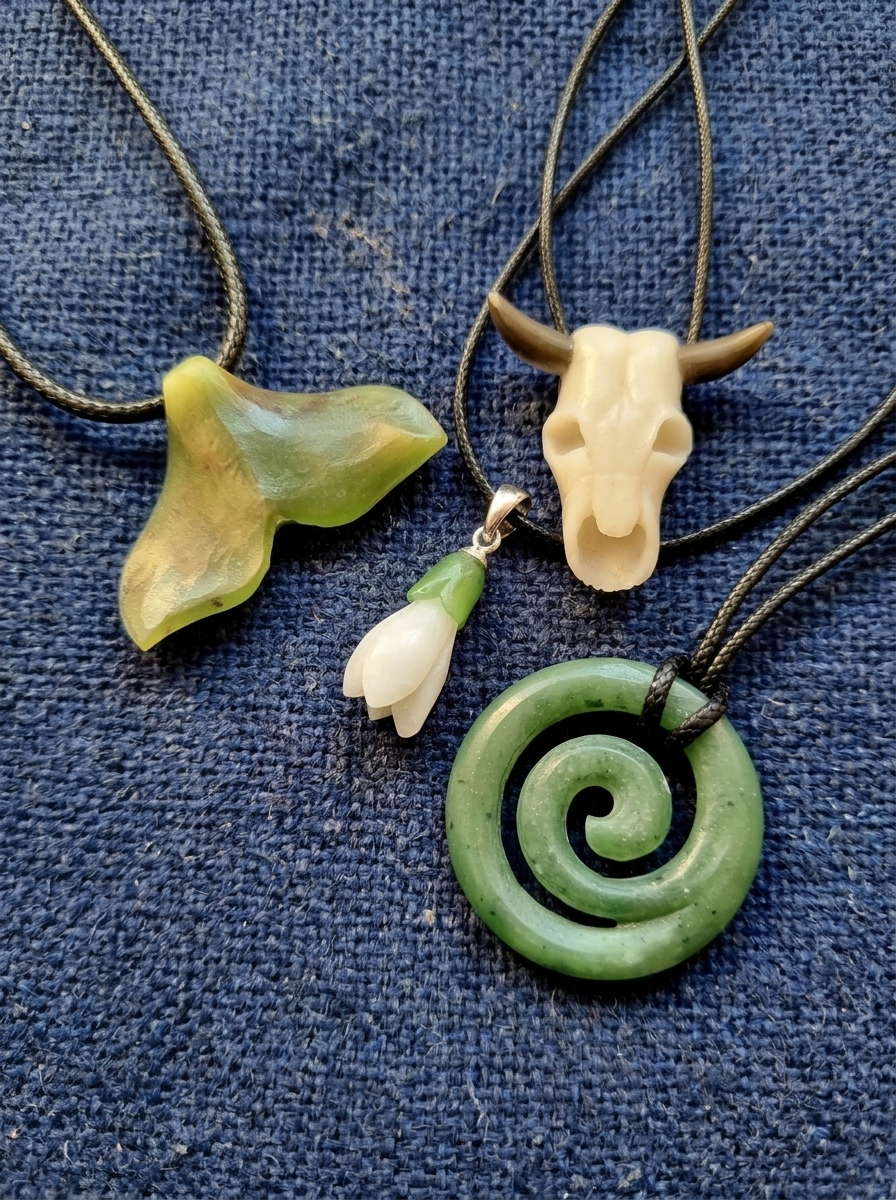
While the Bahía Emerald remains a raw, untamed marvel, its existence underscores the immense potential within Earth’s crust. It’s a journey from rough material to exquisite artistry, a path well-trodden by skilled lapidaries who transform nature’s raw beauty into objects of desire. For those who appreciate the artistry and precision involved in crafting such pieces, examining the quality and origin of materials is paramount. Just as the Bahía Emerald captivates with its natural form, the meticulously crafted gemstone pieces found at stone-flower.com represent the pinnacle of human skill, turning geological wonders into wearable art.
Conclusion: A Legacy of Green Grandeur
The Bahía Emerald stands as a geological anomaly, a testament to the Earth’s majestic processes and the endless fascination gems hold for humanity. Its scientific importance in understanding emerald formation, coupled with its captivating, albeit tumultuous, history, cements its place as one of the most significant and talked-about gemological discoveries of the modern era. As it remains in legal limbo, its future is uncertain, but its legacy as a colossal green mystery from the heart of Brazil will undoubtedly endure.
Frequently Asked Questions (FAQ)
What is the Bahía Emerald’s exact weight and size?
The Bahía Emerald weighs approximately 341 kilograms (about 752 pounds), which translates to an estimated 1,705,000 carats (1 kg = 5,000 carats). It is not a single, monolithic crystal but rather a massive shard comprising several large emerald crystals embedded within its host rock matrix.
Why is the Bahía Emerald so controversial?
Its controversy stems from a complex history of disputed ownership, alleged theft following Hurricane Katrina in 2005, and subsequent reappearances in California. Multiple parties, including miners, investors, and various claimants, have asserted ownership, leading to protracted legal battles that have tied up the specimen in court custody for well over a decade.
How is an emerald of this unprecedented size typically valued?
An emerald of the Bahía’s size is not valued per carat like cut gemstones. Instead, its value is determined by its status as a unique geological specimen, a rare collector’s item, and a potential museum exhibit. Appraisals consider its immense size, the quality of the emerald zones within its matrix, its historical notoriety, and its rarity. However, the ongoing legal disputes have significantly complicated any market valuation, making it primarily a subject of academic or insurance appraisal rather than traditional gem trade.