

The Bismarck Sapphire Necklace: A 98.6-Carat Testament to Gemological Perfection
Few jewels in history command the reverence and fascination of the Bismarck Sapphire Necklace. This spectacular piece, featuring a breathtaking 98.6-carat deep blue sapphire, is not merely an ornament; it is an enduring icon of Art Deco brilliance, exceptional gemological rarity, and unparalleled craftsmanship. Originally commissioned by the legendary style icon Countess Mona von Bismarck, this necklace is a masterclass in how intrinsic gem quality harmonizes with artistic vision to create an object of eternal allure.
The Heart of the Masterpiece: The 98.6-Carat Ceylon Sapphire
At the core of the Bismarck Necklace lies its eponymous sapphire, a cushion-cut marvel weighing an astonishing 98.6 carats. Its origin from Sri Lanka (formerly Ceylon) is a critical factor in its esteemed status. Ceylon sapphires are renowned for their vibrant, often slightly lighter, yet intensely saturated blues, frequently exhibiting a desirable “royal blue” hue with excellent brilliance. Unlike the velvety, often silk-laden Kashmir sapphires or the deeply saturated Burmese stones, Ceylon sapphires typically boast a superior transparency and a lively scintillation that captivates the eye.
Gemological Nuances: Color, Clarity, and Unheated Rarity
For a sapphire of this magnitude, its color profile is paramount. The Bismarck sapphire displays a rich, intense blue—a meticulous balance of hue, tone, and saturation. Expert gemologists assess color based on a combination of primary blue and secondary violet or green undertones, ensuring the overall impression is one of pure, vivid blue without undesirable modifiers. The stone exhibits minimal color zoning, a common characteristic in large sapphires where color distribution can be uneven. Its exceptional evenness throughout the stone significantly enhances its value.
Clarity in such a large sapphire is equally crucial. While “eye-clean” (no inclusions visible to the naked eye) is standard for high-quality gemstones, the Bismarck sapphire approaches “loupe-clean” quality, meaning very few internal characteristics are detectable even under 10x magnification. Typical inclusions for Ceylon sapphires include fine rutile needles (silk), small crystal inclusions, or ‘fingerprint’ inclusions. The minimal presence of these, or their strategic placement to avoid detracting from the stone’s beauty, is a testament to the rough’s initial quality and the cutter’s skill.
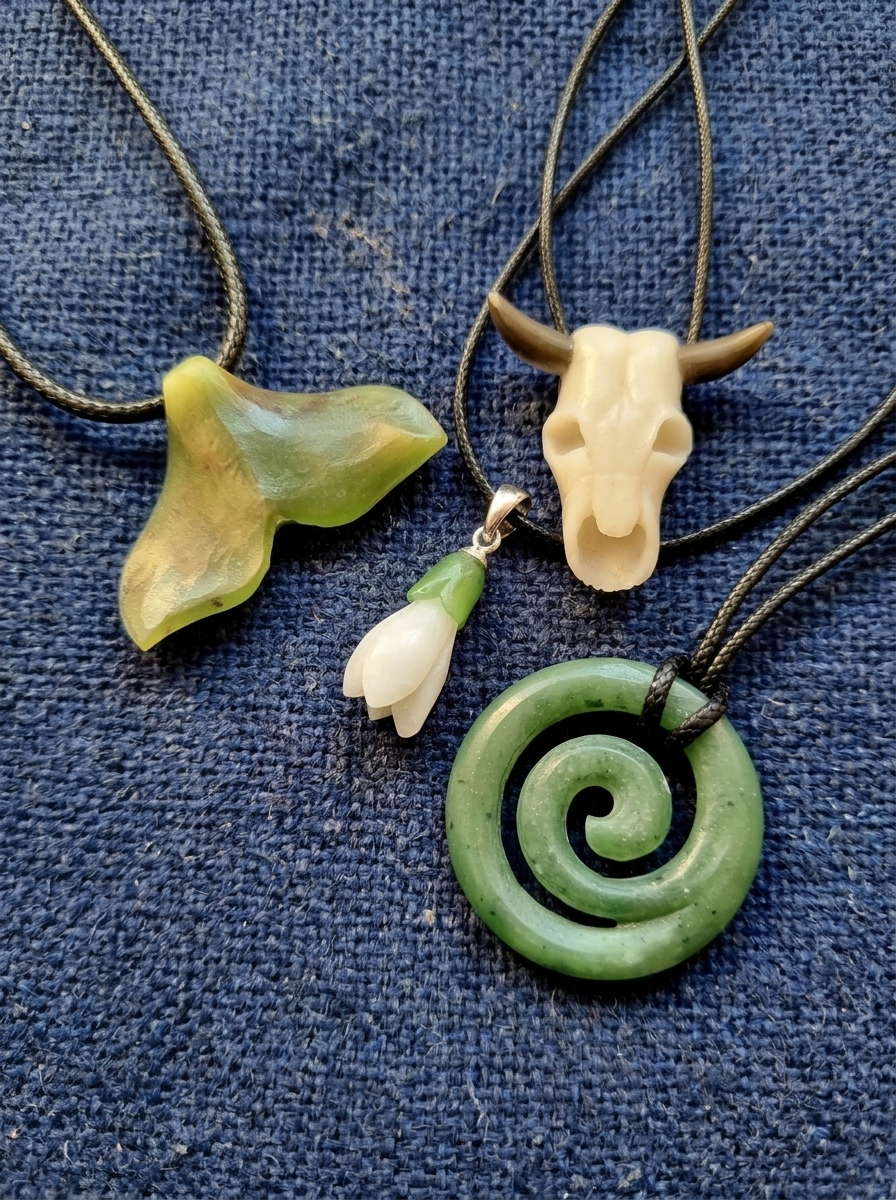
Perhaps the most significant gemological secret contributing to its extraordinary value is its unheated status. The vast majority—estimated at over 90-95%—of sapphires on the market today undergo heat treatment to enhance their color and clarity. Detecting this treatment requires sophisticated gemological equipment capable of identifying altered rutile inclusions, fluid inclusions, or the absence of growth features indicative of natural formation. A common, more aggressive treatment like beryllium diffusion, for instance, fundamentally alters the stone’s chemical composition and requires advanced lab spectrometry for detection. An unheated sapphire of nearly 100 carats, exhibiting such a sublime natural blue, is an exceedingly rare phenomenon, skyrocketing its intrinsic worth. This distinction elevates the Bismarck sapphire from merely a beautiful gem to a truly irreplaceable natural treasure, a level of raw, untouched perfection that is incredibly difficult to source today. Experts in high-end gemology, like those behind stone-flower.com, understand that authentic, untreated material forms the bedrock of true gem value, whether it’s a colossal sapphire or a meticulously carved nephrite pendant.
The Art Deco Setting: A Platinum Masterpiece by Cartier
The sapphire is majestically set within an Art Deco platinum necklace, designed and crafted by the legendary house of Cartier in 1935. Platinum, known for its exceptional durability, brilliant white luster, and resistance to tarnish, was the metal of choice for high jewelry during the Art Deco era. Its strength allows for incredibly fine and intricate settings, securely holding gemstones while minimizing the visible metal.
Art Deco Design Principles and Craftsmanship
The Art Deco style, characterized by its geometric precision, symmetry, and bold lines, is evident throughout the necklace. The large cushion-cut sapphire is framed by a dazzling array of baguette, brilliant, and fancy-cut diamonds, meticulously arranged in a cascading, architectural pattern. These accent diamonds, totaling 18.05 carats, are carefully selected for their exceptional D-F color and VVS-VS clarity, ensuring they complement the sapphire without overshadowing it. The strategic placement of step-cut baguettes emphasizes the angularity and modernity synonymous with the Art Deco movement, creating a striking contrast with the sapphire’s organic curves.
Cartier’s master jewelers employed advanced techniques for the period, including intricate pavé settings for the smaller brilliant diamonds, creating continuous fields of sparkle. The precise calibré cutting of the baguette diamonds, specifically tailored to fit the platinum framework, showcases an extraordinary level of attention to detail and craftsmanship. Such exacting work requires not only artistic vision but a deep understanding of metallurgy and gem-setting mechanics, ensuring both aesthetic beauty and structural integrity. This dedication to excellence, from selecting the finest stones to executing flawless settings, resonates with the philosophy found in artisanal crafts, where every detail matters for true appreciation, as one might find in the curated selections on stone-flower.com.
Provenance and Legacy: From Countess to Smithsonian
The necklace’s journey began with its commission by Countess Mona von Bismarck, an American socialite and fashion icon who was consistently named one of the world’s best-dressed women. Her sophisticated taste and discerning eye for exceptional jewelry made her a fitting patron for such a magnificent piece. In 1967, the necklace was acquired by Marjorie Merriweather Post, another prominent socialite and philanthropist, who eventually bequeathed it to the Smithsonian National Museum of Natural History in 1969. Here, it takes its place among other legendary jewels like the Hope Diamond and the Logan Sapphire, cementing its status as a gemological and historical treasure accessible to the public.
The Bismarck Sapphire Necklace stands as a testament to the enduring allure of extraordinary gemstones and the timeless artistry of high jewelry. It embodies the pinnacle of natural beauty, meticulous craftsmanship, and historical significance, continuing to inspire awe and educate generations about the profound depths of gemology.
Frequently Asked Questions About The Bismarck Sapphire Necklace
-
Q: What makes the Bismarck Sapphire so valuable beyond its size?
A: Its value stems from a confluence of factors: its exceptional 98.6-carat weight, its vivid “royal blue” color, its Sri Lankan (Ceylon) origin known for quality, its superb clarity, and crucially, its status as an unheated sapphire—a rare characteristic that significantly enhances its rarity and intrinsic worth in the gemological world. The Cartier Art Deco setting further adds to its historical and artistic value. -
Q: How can one determine if a sapphire is unheated?
A: Determining if a sapphire is unheated requires advanced gemological laboratory testing. Expert gemologists examine the stone under high magnification for specific inclusions (like unaltered rutile silk or fluid inclusions) and growth patterns that would be altered or removed by heat treatment. Advanced spectroscopic techniques and Raman spectroscopy may also be employed to detect subtle changes in the crystal lattice. This is a complex process typically performed by internationally recognized gem labs. -
Q: What are the key characteristics of Art Deco jewelry as seen in this necklace?
A: The Bismarck Sapphire Necklace showcases classic Art Deco traits including strong geometric lines, symmetry, a focus on platinum as the primary metal, and the use of contrasting gemstones like brilliant and baguette-cut diamonds alongside a prominent colored center stone. The design emphasizes sleekness, modernity, and a departure from the organic curves prevalent in earlier Art Nouveau styles. The precision of calibré-cut accent stones is a hallmark of the era’s meticulous craftsmanship.