

The Black Orlov Diamond: Unveiling the Enigma of the Eye of Brahma
The Black Orlov diamond stands as one of gemology’s most compelling paradoxes: a stone of profound darkness, yet luminous with history and lore. Weighing an imposing 67.50 carats, this cushion-cut black diamond, famously known as the “Eye of Brahma,” isn’t merely a gem; it’s a saga etched in crystalline carbon. Its opaque, inky depths challenge conventional notions of diamond beauty, demanding a different appreciation—one focused on its unique geological genesis, the artisanal mastery required for its polish, and the whispered tales of its tumultuous past. For the discerning gemologist and connoisseur alike, understanding the Black Orlov means diving beyond its surface to grasp the intrinsic technical nuances that define natural fancy black diamonds, distinguishing them from their more common, treated counterparts.
The Allure of Absolute Blackness: A Gemological Rarity
Unlike the traditional brilliance of colorless diamonds, which derive their sparkle from optimal light refraction and dispersion, natural black diamonds like the Black Orlov present an entirely different optical phenomenon. Their characteristic opaque appearance stems from a dense aggregation of minute, dark inclusions—primarily **graphite**—and sometimes trace amounts of pyrrhotite, magnetite, or even native iron, distributed throughout the stone’s polycrystalline structure. These inclusions absorb virtually all incident light, preventing internal reflection and giving the gem its signature non-translucent, “adamantine” luster.
The formation of such diamonds is a geological marvel. While most diamonds form deep within the Earth’s mantle, black diamonds, or “carbonados,” have a debated origin, with some theories suggesting extraterrestrial impacts or unique mantle processes involving high hydrogen content. The Black Orlov, however, is believed to be a terrestrial carbonado, albeit one with an unusual internal morphology. Its material is not a single crystal but a tightly knit conglomerate of microscopic diamond crystals (micro-diamonds) along with graphite, which can impart a slight porosity. This aggregated microstructure makes natural black diamonds exceptionally challenging to cut and polish. Master lapidaries must employ specialized techniques, using wheels charged with finer diamond grit and often a combination of traditional and non-traditional polishing agents. The goal shifts from maximizing brilliance and fire to achieving a high, uniform surface polish that accentuates the stone’s velvety texture and the subtle sheen inherent in its carbon-rich composition. This precision work ensures that the surface reflects light evenly, giving the Orlov its captivating, mysterious appeal.
The Orlov’s Shadowed Provenance: From India to Immortality
The legend preceding the Black Orlov begins in 19th-century India, where it was purportedly part of a larger, rough stone weighing 195 carats, serving as one of the eyes in a statue of Brahma, the Hindu creator god, in a temple in Pondicherry. This origin story birthed its evocative moniker, the “Eye of Brahma.” The theft of the diamond from the sacred statue is said to have initiated a malevolent curse, a narrative deeply intertwined with its subsequent owners’ fates.
The diamond’s journey into Western lore truly began when it was acquired by a European diamond dealer named J.W. Paris in 1932. Shortly after bringing the diamond to the United States, Paris reportedly committed suicide by jumping from a skyscraper. Subsequent owners, Russian Princess Nadia Vyegin-Orlov (from whom the diamond takes its modern name) and Princess Nadia Vyegin-Orlov, also tragically met similar fates, fueling the legend of the “Orlov Curse.”
Originally weighing 195 carats in the rough, the diamond underwent a transformation. Its present 67.50-carat cushion cut is the result of re-cutting to mitigate earlier imperfections and enhance its aesthetic appeal. The expertise required for such a re-cut is immense; navigating the stone’s inherent brittleness and varied hardness due to its polycrystalline nature demands exceptional patience and skill. The re-cut also served to distance the diamond from its cursed past, an attempt to break the cycle of misfortune. It was eventually acquired by Charles F. Winson, a New York diamond merchant, who sought to break the curse by having the diamond re-cut into three separate stones and then sold off. The other two stones derived from the original rough are also black diamonds, one weighing 30 carats and another 15 carats, though neither possesses the fame or size of the 67.50-carat Black Orlov.
Decoding Black Diamond Treatments: A Gemologist’s Imperative
In the modern gemological landscape, distinguishing between natural fancy black diamonds and treated black diamonds is paramount. The overwhelming majority of black diamonds available on the market today are, in fact, treated, often poor-quality colorless or near-colorless diamonds that have undergone irradiation and subsequent annealing, or High-Pressure High-Temperature (HPHT) treatment, to induce a stable, dark color.
For a gemologist, identifying a natural black diamond like the Black Orlov involves a suite of advanced techniques:
- Color Distribution: Natural black diamonds often exhibit a slightly uneven color distribution, sometimes with visible surface pitting or an almost metallic sheen due to graphitic inclusions. Treated stones typically display a uniform, almost “inky” black color.
- Spectroscopy: UV-Vis-NIR (Ultraviolet-Visible-Near Infrared) and FTIR (Fourier-Transform Infrared) spectroscopy are indispensable. Natural black diamonds, especially carbonados, show distinct spectral absorption features related to hydrogen and nitrogen defects, as well as characteristics of their mineral inclusions. Treated stones, conversely, exhibit absorption patterns indicative of the original diamond material modified by irradiation (e.g., GR1, NV centers) or HPHT processes.
- Magnification: Under high magnification (e.g., 60x+), natural black diamonds may reveal internal growth patterns or remnants of their original polycrystalline structure. Treated diamonds may show telltale signs of treatment, such as surface graphitization from HPHT or characteristic clarity features of the starting material.
- Thermal Inertia: While not a definitive test on its own, natural black diamonds, due to their unique composition, may react differently to thermal probes compared to treated stones.
The Black Orlov’s documented history and expert analysis confirm its status as a rare, **natural** black diamond. This natural origin vastly elevates its gemological significance and value, setting it apart from the more common treated black diamonds. Its inherent characteristics are a testament to the Earth’s profound geological artistry, far surpassing any artificial enhancement.
The Enduring Legacy of the Black Orlov
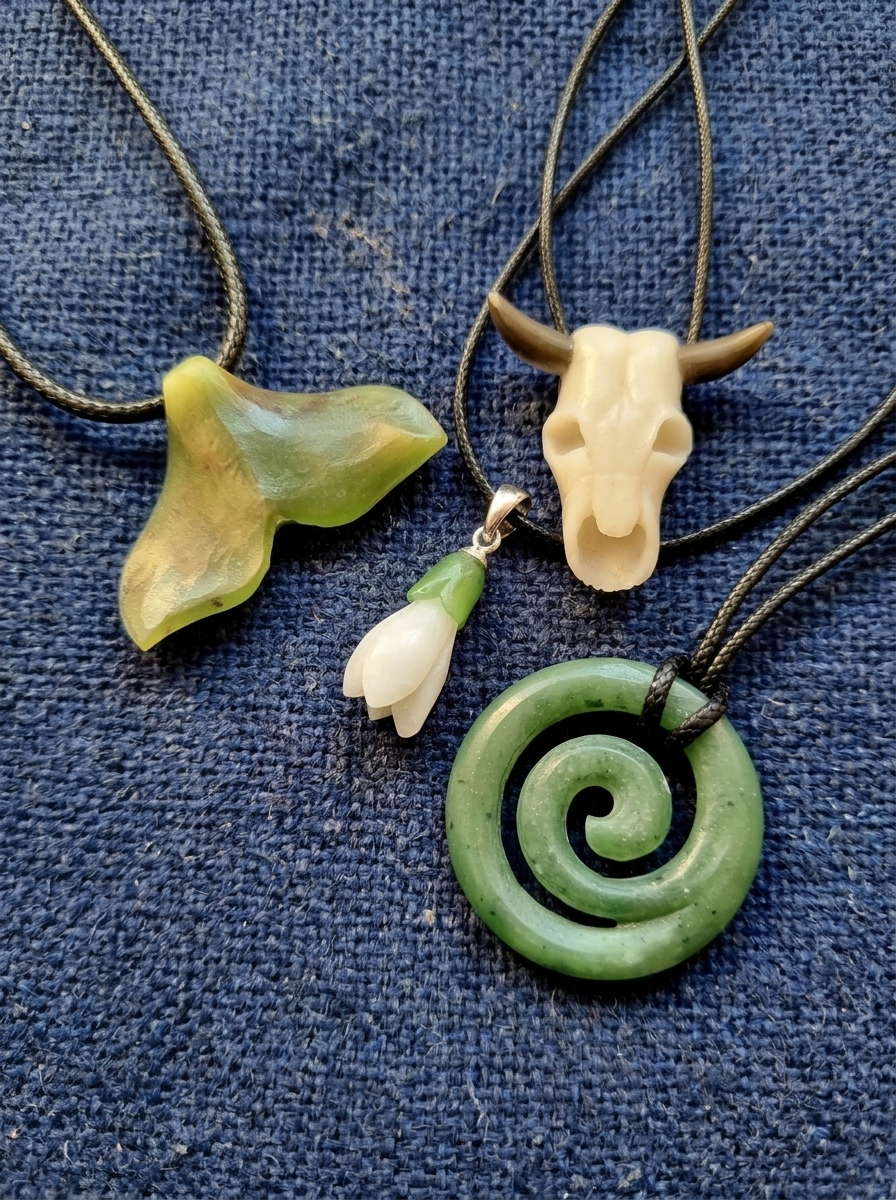
The Black Orlov remains an iconic figure in the world of exceptional gems, its unique beauty and storied past continuing to captivate. It challenges traditional perceptions of diamond aesthetics, asserting that true value lies not just in sparkle and clarity, but also in rarity, historical significance, and the profound geological narratives stones carry. The diamond’s journey from a sacred idol to a symbol of both fascination and dread underscores the potent connection between humanity and these ancient treasures. It reminds us that some of the most extraordinary pieces of art and nature, like the Black Orlov, or indeed, the exquisite hand-carved nephrite jade pendants found at stone-flower.com, embody a spirit and history that transcends their material form. This legacy encourages a deeper appreciation for the unique qualities of natural stones, each with its own story to tell and a distinct beauty to share.
Frequently Asked Questions About the Black Orlov Diamond
- Is the Black Orlov diamond truly cursed?
The “curse” of the Black Orlov is a legendary narrative stemming from the unfortunate fates of several of its historical owners. While fascinating, it lacks scientific validation and is primarily a historical anecdote contributing to the diamond’s mystique rather than a verifiable phenomenon. - What makes the Black Orlov so rare compared to other black diamonds?
The Black Orlov is a natural black diamond, often referred to as a carbonado, known for its unique polycrystalline structure and opaque appearance caused by dense graphite inclusions. Most black diamonds on the market today are treated (e.g., irradiated or HPHT processed) colorless diamonds, making a large, natural specimen like the Black Orlov exceptionally rare and valuable. - How does the Black Orlov’s appearance differ from traditional colorless diamonds?
Unlike traditional diamonds celebrated for their brilliance and fire from light refraction, the Black Orlov is opaque and absorbs light due to its dense inclusions. Its beauty lies in its deep, uniform black color and adamantine surface luster, which reflects light externally, creating a distinctive, mysterious sheen rather than internal sparkle.