

The Blue Belle of Asia: Unrivaled Cornflower Sapphire Rarity
In the pantheon of the world’s most exquisite gemstones, few command the reverence and fascination of the Blue Belle of Asia. This colossal 392.52-carat cushion-cut sapphire, with its mesmerizing “cornflower blue” hue, isn’t merely a stone; it’s a geological marvel, a historical artifact, and an auction record-breaker. Its existence challenges conventional notions of rarity, combining an unparalleled natural color with formidable size and an illustrious provenance that positions it as the most valuable blue sapphire ever sold. To truly appreciate the Blue Belle of Asia is to delve beyond its staggering carat weight into the nuanced gemological characteristics that define its extraordinary status.
A Legacy Forged in Ceylon: The Blue Belle’s Storied Provenance
The journey of the Blue Belle of Asia began deep within the ancient alluvial deposits of Sri Lanka, then known as Ceylon. Discovered in 1926, this region has been synonymous with exceptional sapphire production for millennia, its gem-rich gravels yielding some of history’s most celebrated stones. The inherent geological conditions—metamorphic environments rich in aluminum and trace elements like iron and titanium—are ideal for corundum formation, producing sapphires renowned for their vibrant color and clarity.
From Mine to Monarch: The Sapphire’s Journey
Following its extraction, the Blue Belle of Asia quickly entered the rarefied world of high-value gemstones. Its first notable owner was the Maharaja of Nawanagar, a princely state in British India, whose opulent lifestyle was legendary. The sapphire was later acquired by Harry Winston, the iconic American jeweler known for handling some of the world’s most famous gems. Winston initially mounted the stone as the centerpiece of a spectacular necklace for Queen Marie of Romania, a monarch known for her discerning taste in jewelry.
After its time with royalty, the sapphire found its way into the esteemed collection of the Solomon family, where it remained a private treasure for decades. Its reappearance on the global stage at Christie’s Geneva in November 2014 sent ripples through the gemological and collecting worlds. The sapphire, then mounted on a diamond necklace by Boucheron, fetched a staggering $17.3 million, shattering previous records for a blue sapphire and solidifying its position as an icon. Its storied lineage, from the earth’s depths to royal necks and private vaults, adds an intangible layer of mystique and value, a testament to its enduring allure.
Gemological Masterclass: Deconstructing the Cornflower Hue
The defining characteristic of the Blue Belle of Asia is its exquisite “cornflower blue” color. This term, frequently used in the trade, is far more than a poetic descriptor; it represents a precise and highly desirable spectral profile that sets it apart from other blue sapphires.
Defining “Cornflower Blue”: Beyond Superficial Beauty
Gemologically, “cornflower blue” refers to a medium-to-medium-dark blue hue with high saturation, often exhibiting a subtle violet secondary modifier. What makes it so sought-after is its velvety, luminous appearance, free from overt gray or black undertones. Unlike the often darker, more intense “royal blue” or the deeper, sometimes inky “velvet blue,” cornflower blue possesses a unique softness and radiance that appears vibrant in various lighting conditions.
The scientific basis for this color lies in the perfect lattice distribution and concentration of trace elements within the sapphire’s corundum (Al₂O₃) structure. The presence of both titanium (Ti) and iron (Fe) in specific oxidation states (Ti⁴⁺ and Fe²⁺) and their charge transfer mechanism within the crystal lattice are responsible for the blue color. For a true cornflower hue, the balance must be impeccable, often with minimal iron content to prevent darkening. A slight presence of vanadium (V) can contribute to the coveted violet modifier. Advanced gemological laboratories employ sophisticated techniques such as spectrophotometry to accurately measure the stone’s precise absorption and transmission spectra, mapping its color profile against established standards and ensuring it truly embodies the cornflower ideal. This level of precise color analysis is critical for distinguishing top-tier sapphires.
Unheated Rarity: The Pinnacle of Value
Perhaps the most crucial factor contributing to the Blue Belle of Asia’s stratospheric value is its **unheated** status. Over 95% of sapphires available on the market today undergo some form of heat treatment, a process that can permanently enhance color and clarity by dissolving rutile inclusions or altering the valence states of chromophores. While industry-accepted, treated stones command significantly lower prices than their natural, untreated counterparts.
The Blue Belle of Asia’s color is entirely natural, a gift from geological processes over millions of years. Gemologists confirm this through meticulous microscopic examination. Key indicators of an unheated stone include the presence of undisturbed, delicate rutile needles (often referred to as “silk”), which are fine, hair-like inclusions that can appear as hazy patches within the stone. Other tell-tale signs include pristine fluid inclusions, distinct hexagonal growth zoning, and uncompromised primary mineral inclusions such as zircon crystals, often surrounded by characteristic “stress halos” due to the different thermal expansion rates of zircon and corundum. The absence of molten or partially dissolved rutile, healed fractures, or internal stress marks typically associated with high-temperature treatment unequivocally confirms its natural state, making it an exceptionally rare and prized specimen.
The Art of the Cut: Maximizing Radiance
The Blue Belle of Asia is cut into a cushion modified brilliant shape. This particular cut is expertly chosen to maximize the intrinsic beauty of large, colored gemstones. Unlike the precise geometry of a diamond cut designed for maximum fire and brilliance, the cushion cut is tailored to enhance a colored stone’s saturation and light return.
The cushion cut, with its rounded corners and larger facets, helps to distribute color evenly throughout the stone, preventing undesirable “color windows” or uneven color distribution. For the Blue Belle, the skillful cutting retains significant carat weight while ensuring optimal internal reflections that bring out its cornflower hue with remarkable luminosity. Expert cutters understand how to orient the sapphire to its crystallographic axes to best utilize its pleochroism (the phenomenon where a gem shows different colors when viewed from different directions), ensuring the most desirable face-up color.
Market Dynamics and Unprecedented Value
The record-breaking auction price of the Blue Belle of Asia underscores the confluence of factors that drive a gemstone’s value into the stratosphere:
- Origin: Its Sri Lankan (Ceylonese) origin is highly esteemed, known for producing exceptional sapphires.
- Color: The ideal “cornflower blue” hue, scientifically validated, represents the pinnacle of sapphire coloration.
- Clarity: For a stone of its size, the clarity is exceptional, with minimal inclusions that do not detract from its beauty.
- Carat Weight: At 392.52 carats, it is monumental, especially for an unheated stone of this quality.
- Lack of Treatment: This is arguably the most significant value driver, placing it in an elite category.
- Provenance: Its history of ownership, including royal associations and notable collectors, adds to its narrative and desirability.
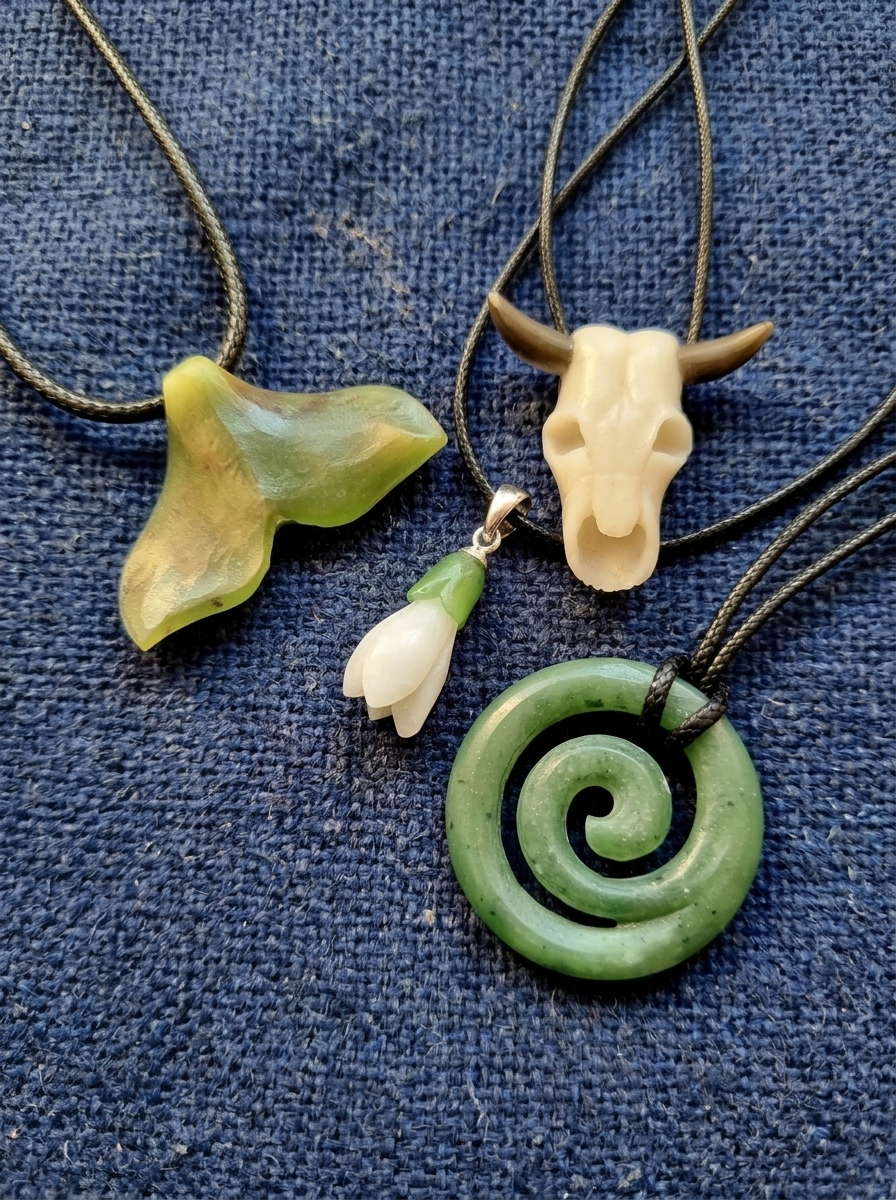
Such a rare combination means the Blue Belle of Asia transcends typical market fluctuations, becoming an investment-grade asset that appreciates steadily due to its extreme scarcity and universal appeal. For those who appreciate the artistry and inherent beauty of natural stones, platforms like stone-flower.com continue to champion the essence of masterful carving and ethical sourcing, echoing the reverence for such geological marvels through their own curated collections.
FAQ: Delving Deeper into the Blue Belle of Asia
- Q1: What makes the Blue Belle of Asia sapphire so exceptionally valuable?
A: Its exceptional value stems from a unique confluence of attributes: an astonishing 392.52-carat weight, a perfect natural unheated “cornflower blue” hue, impeccable clarity for its size, an esteemed Sri Lankan (Ceylonese) origin, and a rich historical provenance. This rare combination places it in a league of its own, far exceeding the value of even very high-quality treated or smaller sapphires.
- Q2: How do gemologists scientifically define and confirm the “cornflower blue” hue?
A: Gemologists define “cornflower blue” as a specific range of tone (medium to medium-dark) and saturation (vivid), often with a slight violet secondary hue, as perceived under standardized lighting. Confirmation involves visual assessment against master stones and advanced analytical techniques like spectrophotometry. Spectrophotometers measure the sapphire’s unique light absorption and transmission profile, confirming the precise balance of trace elements like titanium, iron, and potentially vanadium that produce this highly sought-after color without any overt grey or black modifiers.
- Q3: What role does its unheated status play in its market impact and value?
A: The unheated status of the Blue Belle of Asia is paramount, contributing immensely to its market impact and value. Over 95% of sapphires on the market are heat-treated to enhance their color and clarity. An unheated, natural sapphire of this magnitude and quality is exceedingly rare. Gemologists verify this through microscopic examination for undisturbed natural inclusions (e.g., rutile silk, growth zoning, primary mineral inclusions like zircon halos) and the absence of tell-tale signs of thermal alteration. This natural state signifies ultimate rarity, purity, and intrinsic value, making it a highly coveted investment for connoisseurs and collectors alike.
In conclusion, the Blue Belle of Asia is more than a record-breaking gemstone; it is a profound testament to Earth’s geological artistry and humanity’s enduring fascination with natural splendor. Its exceptional size, flawless “cornflower blue” color, pristine unheated state, and compelling history coalesce into a gemological marvel that continues to captivate and inspire, solidifying its place as one of the most significant jewels ever unearthed.