

The Blue Moon of Josephine: A Celestial Rarity Unveiled
The world of high jewelry is constantly redefined by extraordinary discoveries, but few gemstones have captivated the global imagination quite like The Blue Moon of Josephine. This isn’t merely a diamond; it’s a geological marvel, a triumph of nature’s artistry, and a testament to the pinnacle of human gemological expertise. Weighing precisely 12.03 carats, graded as a Fancy Vivid Blue, and boasting an Internally Flawless clarity, this gem shattered auction records and redefined benchmarks for colored diamonds. Its name evokes mystery and romance, but beneath the surface lies a profound story of deep Earth processes, meticulous craftsmanship, and scientific validation that sets it apart in the annals of gem history.
The Phenomenon of Fancy Vivid Blue Diamonds: A Deep Dive into Boron and Brilliance
To truly appreciate The Blue Moon of Josephine, one must first understand the profound rarity of Fancy Vivid Blue diamonds. Unlike common colorless diamonds, which are primarily carbon, blue diamonds derive their captivating hue from the presence of **boron atoms** within their crystal lattice structure. These boron atoms substitute for carbon atoms during the diamond’s formation deep within the Earth’s mantle, approximately 100 miles below the surface. This substitution causes selective light absorption, primarily in the red and yellow regions of the visible spectrum, allowing only blue light to pass through, giving the diamond its signature color.
Technically, The Blue Moon is classified as a **Type IIb diamond**. This classification is crucial for gemologists because Type IIb diamonds are exceptionally rare, representing less than 0.1% of all natural diamonds. They are distinguished by having little to no nitrogen impurities, which is a common characteristic of Type Ia and Ib diamonds. The scarcity of nitrogen allows the boron to exhibit its color-inducing properties unimpeded. Furthermore, Type IIb diamonds exhibit **semiconducting properties**, a unique characteristic not found in other diamond types. Advanced gemological laboratories utilize techniques like **Fourier-transform infrared (FTIR) spectroscopy** to detect the specific vibrational modes of boron-nitrogen pairs, confirming the natural origin of the blue color and absence of treatment. Any gemologist worth their loupe knows that distinguishing natural blue from high-pressure, high-temperature (HPHT) treated diamonds, which alter nitrogen aggregation to induce blue, requires precise spectroscopic analysis to identify the characteristic absorption peaks associated with naturally incorporated boron.
The “Fancy Vivid” color grade, as bestowed by the Gemological Institute of America (GIA), signifies the highest possible saturation and intensity for a colored diamond. This isn’t a subjective assessment; it’s the result of highly skilled GIA master graders meticulously comparing the stone against a set of rigorously standardized master stones under controlled lighting conditions. Factors like hue (the dominant color, e.g., blue), tone (lightness or darkness), and saturation (intensity or purity of color) are all critically evaluated. A Fancy Vivid Blue diamond displays an almost unparalleled richness of color, devoid of any gray or brown modifiers, making it exquisitely rare and sought-after.
The Blue Moon’s Exceptional Clarity and Cut: A Gemologist’s Masterstroke
Beyond its mesmerizing color, The Blue Moon of Josephine’s **Internally Flawless (IF) clarity** further elevates its status. This grade means that under 10x magnification by a skilled grader, there are no internal inclusions visible, only minor external blemishes that can often be removed without significant weight loss. For a colored diamond of this size, achieving IF clarity is exceptionally rare. Inclusions, even microscopic ones, can disrupt light passage and diminish the intensity and uniformity of the diamond’s inherent color. A perfectly clean stone allows light to interact purely with the boron-induced color centers, enhancing its overall vibrancy.
The diamond’s **cushion modified brilliant cut** is another testament to expert craftsmanship. Unlike round brilliant cuts designed to maximize white light return, a cushion cut is often chosen for fancy colored diamonds specifically to retain and enhance their color. The cutter, using advanced laser mapping and planning software, meticulously analyzes the rough stone to determine the optimal facet arrangement and proportions. The goal is to create “light traps” within the pavilion, where light can bounce internally, intensifying the diamond’s inherent blue hue before it returns to the viewer’s eye. This process requires a delicate balance between maximizing color saturation and maintaining brilliance and fire, a trade secret mastered by only a handful of elite cutters globally. The precise angles and symmetry of The Blue Moon’s facets ensure minimal light leakage and maximum color play, a factor critically assessed by gemological laboratories for its polish and symmetry grades.
The Blue Moon of Josephine: A Record-Breaking Legacy
The Blue Moon of Josephine etched its name into history at Sotheby’s Geneva auction in November 2015. Purchased by Hong Kong billionaire Joseph Lau Luen-hung for his then seven-year-old daughter, Josephine, it fetched a staggering **$48.5 million**, setting a new world record for any diamond or gemstone per carat at the time. This acquisition underscored not only the immense aesthetic appeal but also the investment value of such singular, natural treasures. Its discovery in the famed Cullinan Mine in South Africa, a source renowned for producing some of the world’s most significant diamonds, only adds to its provenance and allure. The Blue Moon now stands alongside legendary blue diamonds such as the Hope Diamond, the Wittelsbach-Graff, and the Oppenheimer Blue, solidifying its place as one of the most important gemstones ever unearthed.
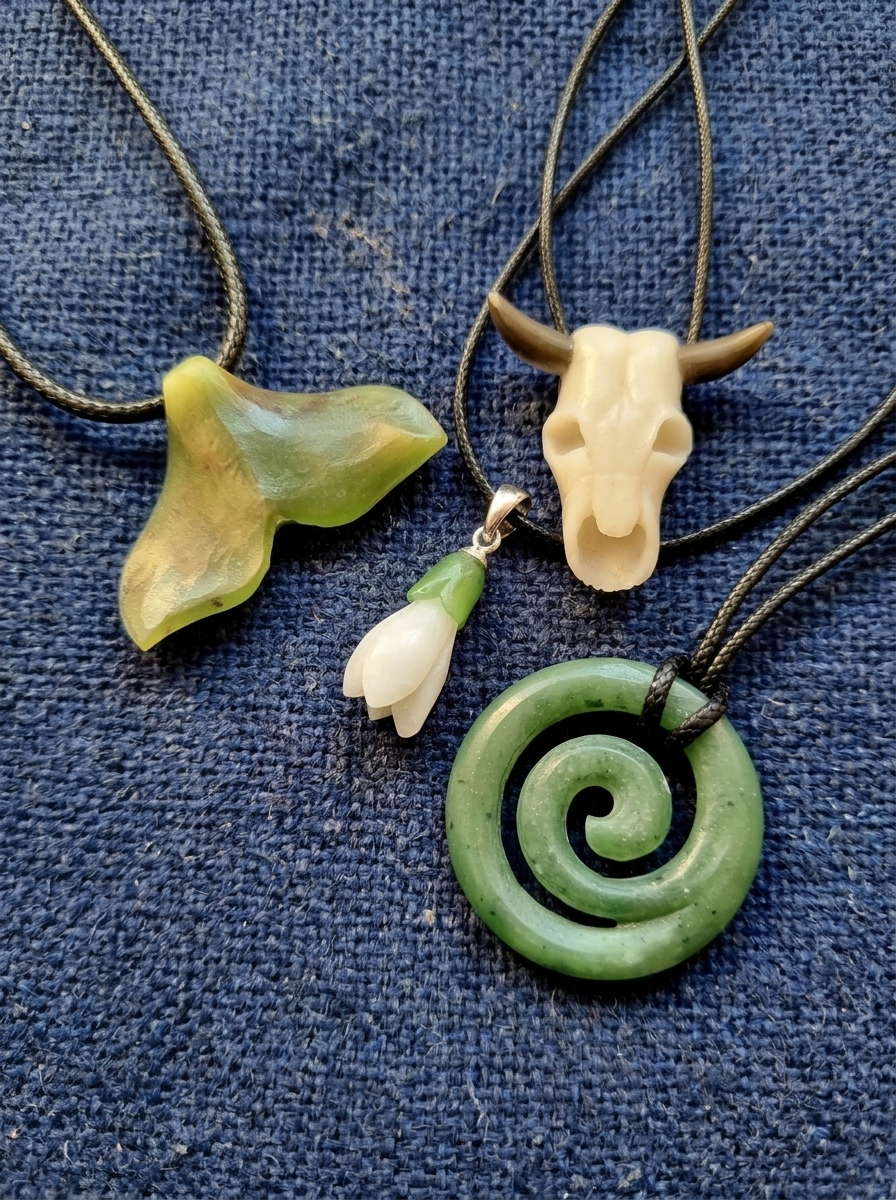
This type of unparalleled rarity and beauty is the very essence of what brands like stone-flower.com strive to understand and appreciate. Their dedication to exploring the finest natural materials mirrors the journey of such a monumental diamond, from its geological origins to its final, polished glory.
Behind the Rarity: A Gemologist’s Perspective on Authenticity and Value
For the seasoned gemologist, evaluating a stone like The Blue Moon involves far more than merely assigning grades. It’s about authenticating its genesis and understanding its intrinsic value beyond market price. The confirmation of its **Type IIb classification** through **spectroscopic analysis** is paramount. A definitive absence of nitrogen-related absorption features, coupled with clear boron-related peaks, confirms its natural, untreated blue color. Furthermore, the analysis of **photoluminescence (PL) spectra** at cryogenic temperatures can reveal subtle nuances in the diamond’s atomic structure, providing a unique “fingerprint” that distinguishes natural diamonds from synthetics or treated stones.
The sheer homogeneity of color within The Blue Moon is another critical factor. Many Fancy Vivid colored diamonds can exhibit subtle color zoning, where the intensity of color varies across the stone. The Blue Moon’s uniform saturation speaks volumes about the consistency of boron distribution during its formation and the master cutter’s ability to present this uniformity flawlessly. The journey from a rough diamond discovered deep within a kimberlite pipe to a finished, certified masterpiece involves an intricate ballet of geological processes, ethical sourcing, cutting-edge technology, and artisanal skill—a trade secret often overlooked by the casual observer. The confluence of perfect color, clarity, and exceptional cut makes The Blue Moon of Josephine not just a gem, but a testament to nature’s profound beauty and mankind’s enduring fascination with it.
The Allure of Blue Diamonds
The allure of blue diamonds remains unrivaled. They are not just beautiful stones; they are geological narratives, stories of immense pressure, heat, and time, culminating in an object of breathtaking beauty. The Blue Moon of Josephine epitomizes this allure, standing as a beacon of rarity, scientific marvel, and unparalleled luxury.
Frequently Asked Questions (FAQ)
Q1: What makes blue diamonds so rare compared to other colored diamonds?
Blue diamonds are exceptionally rare due to the unique presence of boron impurities in their crystal structure, classifying them as Type IIb diamonds. This specific atomic substitution is far less common than the nitrogen impurities responsible for yellow or brown diamonds, or the structural defects that cause pink or red hues.
Q2: How is the color “Fancy Vivid” determined for a blue diamond?
The “Fancy Vivid” grade is determined by expert gemologists at institutions like the GIA, who assess the diamond’s hue, tone, and saturation under controlled lighting. “Fancy Vivid” represents the highest possible saturation and intensity of color, signifying a pure, rich blue with no visible secondary modifiers or dullness, making it the most coveted grade.
Q3: What is the significance of the “Josephine” in its name?
The diamond was named “The Blue Moon of Josephine” by its buyer, Joseph Lau Luen-hung, a Hong Kong billionaire. He purchased the diamond at auction in 2015 and renamed it in honor of his then seven-year-old daughter, Josephine, a common practice among collectors of significant gemstones.