

Dom Pedro Aquamarine: Gemology’s Colossal Obelisk Masterpiece
The world of gemology often conjures images of dazzling diamonds or vibrant rubies. Yet, few individual gemstones command the awe and respect reserved for the Dom Pedro Aquamarine. This colossal obelisk, towering at 14 inches (36 cm) and weighing an astounding 10,363 carats (approximately 4.6 lbs or 2.1 kg), is not merely the largest faceted aquamarine globally; it represents a pinnacle of artistic vision fused with gemological mastery. Its journey from a massive, flawed rough crystal to a radiant, internally glowing monument challenges every preconception of how a gemstone should be perceived, captivating experts and enthusiasts alike.
A Legacy Unearthed: From Minas Gerais to Masterpiece
The genesis of the Dom Pedro Aquamarine dates back to 1980, deep within Brazil’s historic gem-rich state of Minas Gerais, specifically from the Marambaia mine. Miners struck an immense beryl crystal, estimated at over 100 pounds (45 kg) and nearly three feet long. Such an extraordinary find immediately presented a profound dilemma: how to maximize its inherent value. The majority of large beryl crystals, even those of aquamarine quality, possess internal fractures, inclusions, or inconsistent color zones that typically dictate their division into smaller, commercially viable stones. To preserve such a monumental crystal, especially one destined for an unparalleled work of art, requires an audacious vision and an unwavering commitment to risk.
The rough crystal was initially cleaved into three sections due to inherent structural weaknesses. While two smaller sections were faceted conventionally, the largest, weighing approximately 26,000 carats, was deemed worthy of an entirely different fate. This massive portion, despite its potential, still harbored internal fissures that threatened its integrity during any intensive cutting process. The decision to commit this extraordinary rough to a single, ambitious sculpture was a gamble of immense proportions, a true test of a gem cutter’s nerve and skill.
The Gemological Science of Beryl’s Blue
Aquamarine, a member of the beryl mineral family (Be3Al2Si6O18), is celebrated for its enchanting blue-green to blue hues. The characteristic color of aquamarine is primarily due to the presence of ferrous iron (Fe2+) within the crystal lattice. Trace amounts of ferric iron (Fe3+) can introduce yellowish undertones, which are often mitigated through controlled heat treatment to convert Fe3+ to Fe2+, enhancing the pure blue saturation. The Dom Pedro Aquamarine exhibits a remarkable, consistent blue, a testament to its pristine natural chemistry and perhaps selective enhancement.
From a mineralogical perspective, beryl crystals typically grow in hexagonal prisms, often terminated by pinacoids or pyramidal faces. Their hardness on the Mohs scale ranges from 7.5 to 8, making them durable enough for carving and jewelry, yet susceptible to cleavage along the basal plane if struck with force—a critical consideration for any cutter working with large, unblemished rough. Identifying true aquamarine involves assessing its refractive index (1.577-1.583), specific gravity (2.68-2.74), and its characteristic weak to distinct pleochroism (displaying different colors when viewed from different crystallographic directions, typically colorless to light blue). The Dom Pedro’s size amplified the need for rigorous pre-analysis, including advanced imaging to map internal stress lines and potential cleavage planes, a process critical to mitigating catastrophic failure during the carving process.
The Art of the Idar-Oberstein Cut: Bernd Munsteiner’s Vision
The transformation of the massive aquamarine rough into the Dom Pedro Obelisk was entrusted to the legendary German master lapidary, Bernd Munsteiner, often referred to as “the Picasso of gemstones.” Munsteiner, based in Idar-Oberstein, a town renowned for centuries of gem cutting expertise, is famous for his “fantasy cuts”—sculptural forms that often incorporate internal facets and channels to manipulate light in unprecedented ways.
Munsteiner spent four months meticulously planning and then six months executing the cut, a testament to the complexity and precision required. He chose the obelisk shape, not merely for its aesthetic grandeur, but also for its inherent structural strength and its symbolic resonance. An obelisk, historically a monument to enduring power and light, was perfectly suited to this magnificent stone. His “Idar-Oberstein” technique involved not only external faceting but also the creation of internal channels and concave facets, meticulously calculated to draw light into the very heart of the stone, creating an illusion of inner luminosity and a captivating interplay of reflections and refractions. This approach transformed potential internal flaws into features, making them part of the stone’s unique optical signature rather than distracting imperfections. This mastery, a closely guarded trade secret in the world of high-value gem cutting, allows for the maximization of color saturation and brilliance even in stones with complex internal structures.
A Smithsonian Icon: Preserving a World Treasure
After its completion, the Dom Pedro Aquamarine became a private collection piece before being jointly donated by its owners, Jane Mitchell and Jeffrey Bland, to the Smithsonian National Museum of Natural History in 2001. It made its public debut in 2007, joining the ranks of other legendary gems like the Hope Diamond. Housed within the esteemed Janet Annenberg Hooker Hall of Geology, Gems, and Minerals, the Dom Pedro Aquamarine stands as a permanent testament to nature’s grandeur and human ingenuity. Its dramatic presentation, often illuminated to highlight its internal optical effects, ensures its status as a timeless wonder, inspiring millions.
Decoding Aquamarine: Expert Insights for Connoisseurs
For gemological experts and collectors, assessing aquamarine goes far beyond simple color. We scrutinize clarity, the presence and nature of inclusions (which can sometimes be diagnostic, like “snowflakes” or two-phase inclusions), the quality of the cut, and crucially, evidence of treatments. While most aquamarines are heat-treated to enhance their blue, an unheated, naturally vibrant blue specimen of significant size and clarity commands a premium.
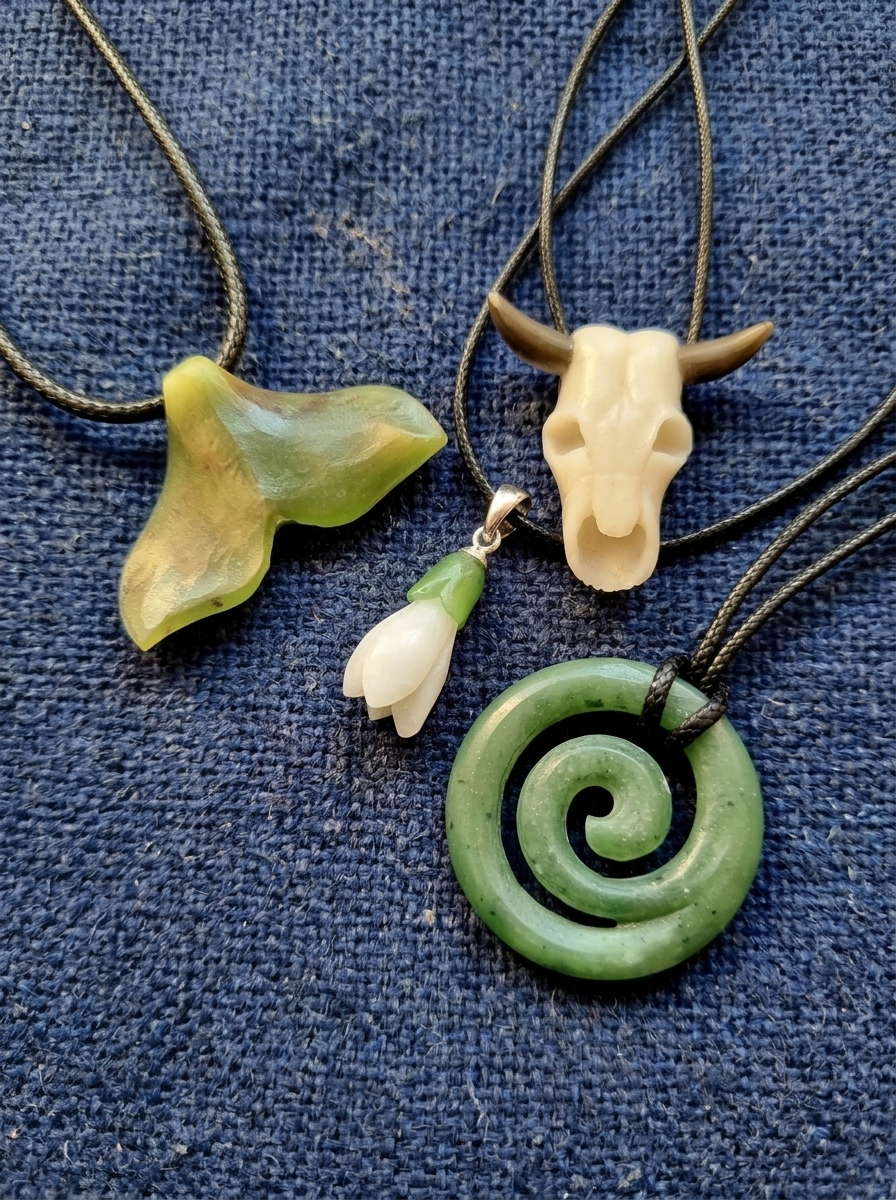
When evaluating large, unique carvings like the Dom Pedro, the precision of the lapidary work is paramount. Experts look for symmetry, the absence of carving-induced fractures, and how effectively the cut maximizes the stone’s inherent beauty and optical phenomena. Understanding the trade-offs between maximizing carat weight and achieving artistic excellence is key. For those seeking unique and expertly crafted natural gemstone pieces, from intricate carvings to exceptional specimens, resources like stone-flower.com offer a curated selection where meticulous craftsmanship meets gemological integrity. Such platforms often represent pieces where the artisan’s skill and the natural beauty of the stone are equally celebrated, much like the Dom Pedro itself.
FAQ About the Dom Pedro Aquamarine
- Q1: What makes the Dom Pedro Aquamarine so unique?
A1: Its uniqueness stems from its extraordinary size (10,363 carats), its flawless deep blue color, and the revolutionary “fantasy cut” by Bernd Munsteiner, transforming it into the world’s largest faceted aquamarine obelisk, rather than traditional jewelry stones. - Q2: Where can I see the Dom Pedro Aquamarine?
A2: The Dom Pedro Aquamarine is a permanent exhibit at the Smithsonian National Museum of Natural History in Washington D.C., displayed in the Janet Annenberg Hooker Hall of Geology, Gems, and Minerals. - Q3: Who carved the Dom Pedro Aquamarine?
A3: It was masterfully carved by the renowned German lapidary Bernd Munsteiner in Idar-Oberstein, a process that took over six months following extensive planning.
The Dom Pedro Aquamarine is more than just a large gem; it is a symbol of perfection sought and achieved. It stands as a powerful testament to the earth’s geological wonders and the boundless creativity of human artistry, continuing to inspire awe and curiosity among all who behold its radiant blue depths.