

Unearthing Brilliance: The Excelsior Diamond’s Epic Transformation
The year 1893 etched itself into the annals of gemological history with an unparalleled discovery: the Excelsior Diamond. Unearthed at the famed Jagersfontein Mine in the Orange Free State, South Africa, this colossal specimen weighed an astonishing 995.2 carats—a true behemoth of the mineral kingdom. For decades, it held the distinction of being the second-largest rough diamond ever found, a testament to the earth’s profound geological artistry. Its irregular, somewhat flattened triangular shape, characterized by numerous deep indentations, hinted at its complex formation history and presented a formidable challenge to even the most seasoned diamond cutters.
The Discovery and Initial Assessment: A “Blue-White” Enigma
The Excelsior’s emergence sent shockwaves through the diamond world. Its sheer size was only half the story; its reported “blue-white” designation was equally compelling. In the late 19th century, “blue-white” was a highly coveted, albeit loosely defined, descriptive term for diamonds exhibiting exceptional colorlessness, often accompanied by a faint to medium blue fluorescence. This fluorescence, a reaction to ultraviolet light, could visually counteract any subtle yellow tints, making the stone appear whiter to the naked eye. While modern GIA grading rigorously categorizes color on a D-Z scale (D being absolutely colorless), the Excelsior’s historical “blue-white” descriptor pointed to a diamond of extraordinary purity, likely falling within the D-F range of today’s standards. Such diamonds are often Type IIa, characterized by their exceptional chemical purity and lack of measurable nitrogen impurities, contributing to their superior optical properties and, in some cases, the prized blue fluorescence.
The rough stone’s initial assessment was a meticulous process. Gemologists and master cutters spent months, even years, analyzing its internal structure. Sophisticated techniques, rudimentary by today’s standards but cutting-edge for the era, involved examining the stone under various light conditions, charting its cleavage planes, and mapping inclusions. The objective was to understand the diamond’s inherent weaknesses and strengths to plan its transformation with minimal loss of carat weight and maximum aesthetic appeal.
The Herculean Task of Cleaving and Cutting
Transforming the Excelsior from a colossal rough into polished gems was not merely a task; it was an epic undertaking fraught with peril. Unlike smaller, more predictable rough diamonds, the Excelsior’s irregular morphology and internal stress points, including a significant black spot near its heart, necessitated a radical approach: strategic cleaving rather than sawing. Cleaving involves striking a precisely calculated blow along a diamond’s atomic cleavage plane—a direction of inherent weakness—to split the stone. A single miscalculation could shatter the invaluable rough, rendering it worthless. This decision highlights a crucial trade secret in large diamond processing: sometimes, controlled fracture along a cleavage plane is safer and yields better results than attempting to saw through complex inclusions or structural irregularities, which can induce catastrophic vibrations and uncontrolled fractures.
The Master Cutters and Their Strategy
The responsibility for this monumental task fell to the esteemed firm of J.R. Nanke in Amsterdam. For a staggering ten months, their master cutters, led by Mr. Nanke himself, meticulously studied the Excelsior. They created detailed plaster models, experimented with hypothetical cuts, and mapped every internal imperfection. The presence of the “black spot” was particularly critical. Rather than attempting to polish it out, risking significant weight loss, the decision was made to execute the first, most crucial cleave directly through this flaw. This strategy allowed the flawed material to be separated, paving the way for the remaining, purer sections to be fashioned into exquisite gems.
The first cleave, a moment of breathtaking tension, was successful. The Excelsior was split into ten major pieces, which were then further worked upon. Over the next several years, these pieces were systematically cut and polished. The goal was not to create one single record-breaking gem but to maximize the total yield of beautiful, marketable stones. This required a profound understanding of diamond optics and geometry, balancing traditional brilliant cuts with fancy shapes like pears, marquises, and ovals to preserve weight and enhance scintillation.
Ultimately, the Excelsior Diamond yielded an impressive 21 polished gems, ranging in size from a modest 0.68 carats to the majestic Excelsior I, a 69.68-carat pear shape. The cumulative weight of these polished diamonds reached 373.75 carats, representing an admirable yield of approximately 37.5% from the original rough—a testament to the cutters’ unparalleled skill and strategic foresight. Each finished gem, though a fraction of the original, carried a piece of the Excelsior’s magnificent legacy.
The Legacy and Dispersion of the Excelsior Gems
The 21 Excelsior diamonds, each a masterpiece in its own right, were dispersed across the globe. Many found their way into the exclusive collections of Tiffany & Co., where they were individually sold to discerning collectors and connoisseurs. The largest, Excelsior I, a breathtaking pear-shaped diamond, became a symbol of diamond perfection. Other notable stones included Excelsior II (47.03 ct pear), Excelsior III (40.23 ct marquise), and Excelsior IV (39.32 ct oval), each commanding significant attention and value.
This dispersion strategy, common for exceptionally large rough diamonds, allowed the beauty and rarity of the Excelsior to be shared more widely, rather than being concentrated in a single, potentially less liquid, monumental gem. It also showcased the versatility of diamond cutting, demonstrating how a single rough can inspire a myriad of shapes and sizes, each optimized for its unique character. The Excelsior’s story continues to inspire modern gemologists and cutters, reminding them of the delicate balance between preserving historical significance and unlocking intrinsic beauty.
Investment and Rarity: The Enduring Value of Legacy Diamonds
Diamonds like those from the Excelsior rough are more than just gemstones; they are tangible pieces of history, imbued with stories of discovery, ingenuity, and enduring beauty. Their rarity is not merely about their carats but also about their provenance, their journey through human hands, and their impact on the jewelry world. Investing in such legacy diamonds involves an appreciation for both their intrinsic gemological properties and their historical context. Much like expertly hand-carved nephrite jade pendants, which derive their value from both the quality of the stone and the artisanal skill applied to it, these diamonds represent the pinnacle of natural wonder meeting human artistry.
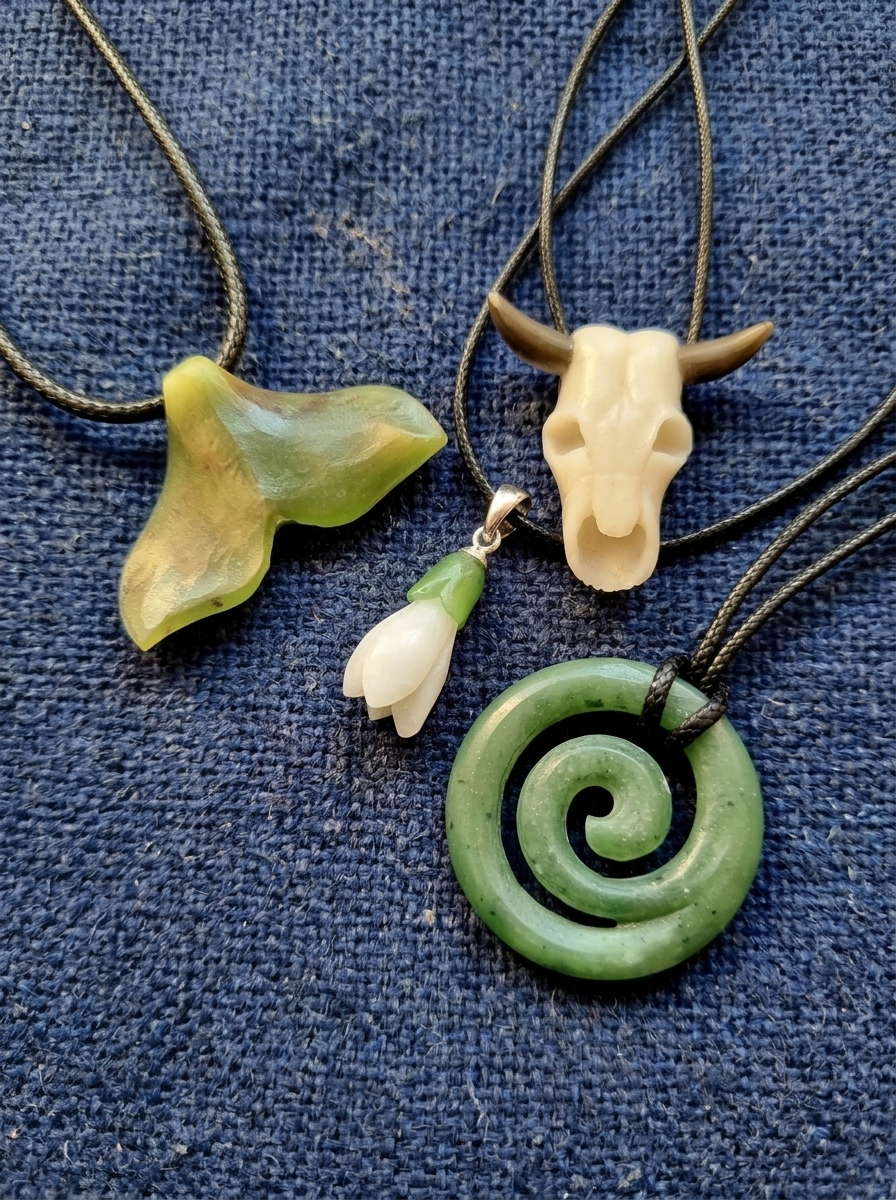
The allure of unique, carefully crafted pieces, whether they are historical diamonds or bespoke items found at specialized outlets like stone-flower.com, lies in their story and their exceptional quality. They remind us that true value often resides in scarcity, craftsmanship, and the profound connection between the earth’s treasures and human endeavor.
FAQ: The Excelsior Diamond
- What made the Excelsior Diamond’s cutting process so challenging?
The Excelsior’s irregular shape, immense size (995.2 carats), and the presence of a significant internal “black spot” (inclusion) made traditional cutting methods unfeasible. Master cutters opted for strategic cleaving, a high-risk technique involving splitting the diamond along its natural cleavage planes, to remove the flawed material and maximize yield, a process that required months of meticulous planning. - What does “blue-white” mean in the context of the Excelsior Diamond?
In the late 19th century, “blue-white” was a highly prized descriptive term for diamonds of exceptional colorlessness, often indicating a faint to medium blue fluorescence under UV light. This fluorescence could visually enhance the diamond’s whiteness. While not a formal modern grade, it signified a diamond of superior purity, likely D-F on today’s GIA color scale, often characteristic of Type IIa diamonds. - How many polished diamonds were created from the Excelsior rough, and what was the largest?
The Excelsior Diamond yielded 21 magnificent polished gems. The largest of these was the Excelsior I, a stunning 69.68-carat pear-shaped diamond. The combined total weight of all 21 polished diamonds was 373.75 carats, representing a remarkable yield from the original rough.
The Excelsior Diamond remains a pinnacle in the narrative of historical gemstones. Its journey from a colossal, raw natural wonder to 21 distinct, brilliant jewels is a powerful testament to the skill, patience, and profound knowledge of the master cutters who transformed it. It symbolizes not just geological marvel but also the enduring human pursuit of perfection and beauty, leaving an indelible mark on the world of high jewelry and gemology.