

The Grand Mazarin: A 19.07-Carat Pink Diamond’s Royal Legacy and Gemological Enigma
Few gemstones command the gravitas of the Grand Mazarin, a spectacular 19.07-carat pink diamond whose storied history intertwines with the very fabric of French royalty. More than a mere adornment, this cushion brilliant-cut marvel represents a confluence of geological rarity, human craftsmanship, and political intrigue, making it an object of unparalleled fascination for gemologists, historians, and collectors alike. Its journey from the legendary Golconda mines to the auction block at Christie’s reflects a unique narrative of power, beauty, and enduring value.
A Provenance Etched in Dynasties
The Grand Mazarin’s tale begins not in France, but likely in the ancient alluvial deposits of the Golconda mines in India, a fabled source of the world’s most significant diamonds. Its first recorded owner was Cardinal Jules Mazarin, chief minister to King Louis XIV, a notorious connoisseur and collector of precious stones. Upon his death in 1661, Mazarin bequeathed his extensive collection of 18 exceptional diamonds to the French Crown, with the Grand Mazarin taking pride of place among them. This act solidified its place within the French Crown Jewels, marking the beginning of its royal tenure.
For centuries, the diamond graced the monarchs of France. Louis XIV, the Sun King, wore it prominently, often adorning his ceremonial attire. It passed seamlessly through successive reigns, witnessing the grandeur of Louis XV and the twilight years of the monarchy under Louis XVI and his ill-fated queen, Marie Antoinette. The tumultuous French Revolution, however, saw the Crown Jewels plundered during the Garde-Meuble National robbery of 1792. Remarkably, while many treasures vanished forever or were broken up, the Grand Mazarin was among the few recovered, testifying to its inherent distinction and perhaps, a touch of luck.
Its historical trajectory continued through the Napoleonic era, where Napoleon Bonaparte ordered its re-integration into the imperial regalia, a symbol of renewed French power. It remained with the French state through various monarchies and empires, eventually becoming part of the prestigious collection displayed at the Louvre Museum, until the controversial sale of most of the French Crown Jewels in 1887. This event, intended to strip away symbols of royalty, saw the Grand Mazarin acquired by the famed jeweler Frédéric Boucheron, briefly removing it from public sight.
The Gemological Enigma of Pink: Deconstructing the Grand Mazarin’s Hue
At 19.07 carats, the Grand Mazarin is not merely significant for its size but for its sublime pink hue. Understanding the origin of this color offers a deep dive into advanced gemology and solid-state physics. Unlike yellow diamonds, whose color is caused by trace amounts of nitrogen impurities within the crystal lattice, or blue diamonds, colored by boron, natural pink diamonds derive their color from structural anomalies. Specifically, the pink, red, and purple spectrum in diamonds is generally attributed to plastic deformation of the crystal lattice during formation.
This phenomenon occurs deep within the Earth’s mantle under immense pressure and temperature. The diamond’s carbon atoms are forced into an unusual arrangement, creating “slip planes” or lamellae within the crystal structure. These localized disruptions in the atomic regularity selectively absorb certain wavelengths of light, allowing red and pink wavelengths to be transmitted, thus creating the stone’s characteristic color. Critically, many significant pink diamonds, including often speculated for the Grand Mazarin, belong to the Type IIa classification. These diamonds are chemically the purest of all, containing virtually no measurable nitrogen or boron impurities, which further underscores that their color is purely structural.
The Grand Mazarin’s cut, a historic cushion brilliant, reflects a period where cutters maximized yield and preserved the rough’s natural shape, rather than adhering to today’s strict proportionality standards for optimal brilliance. While modern cutting prioritizes symmetrical light performance, the preservation of its original cut adds immense historical value, a “trade secret” of value attribution for antique pieces. Its specific color saturation, likely a “Fancy Intense Pink” or similar, is further amplified by its notable size, a combination that drastically escalates its rarity and valuation. For expert gemologists, assessing such a stone involves not just the traditional 4Cs, but also an in-depth analysis of its crystallography, luminescent properties, and the nuanced interplay of its unique structural color origin.
Auction Block to Private Collection: Its Modern Chapter
After being held in a private collection for 130 years since the 1887 sale, the Grand Mazarin re-emerged dramatically onto the world stage. In November 2017, it was the star lot at Christie’s Magnificent Jewels auction in Geneva. The anticipation was palpable, reflecting its historical importance and the inherent rarity of a pink diamond of its caliber. It sold for an astonishing $14.4 million USD, exceeding its pre-sale estimates and re-affirming its status as one of the most significant diamonds ever offered at public auction. The buyer remains anonymous, ensuring the Grand Mazarin continues its journey in private hands, perhaps awaiting its next grand entrance.
This sale underscored a critical aspect of the high-end diamond market: provenance and historical significance add an exponential premium beyond the gemological characteristics alone. While its 19.07 carats and Fancy Pink color are remarkable, its lineage through four French kings transformed it from an extraordinary diamond into a priceless artifact.
Craftsmanship and Legacy: Beyond the Stone
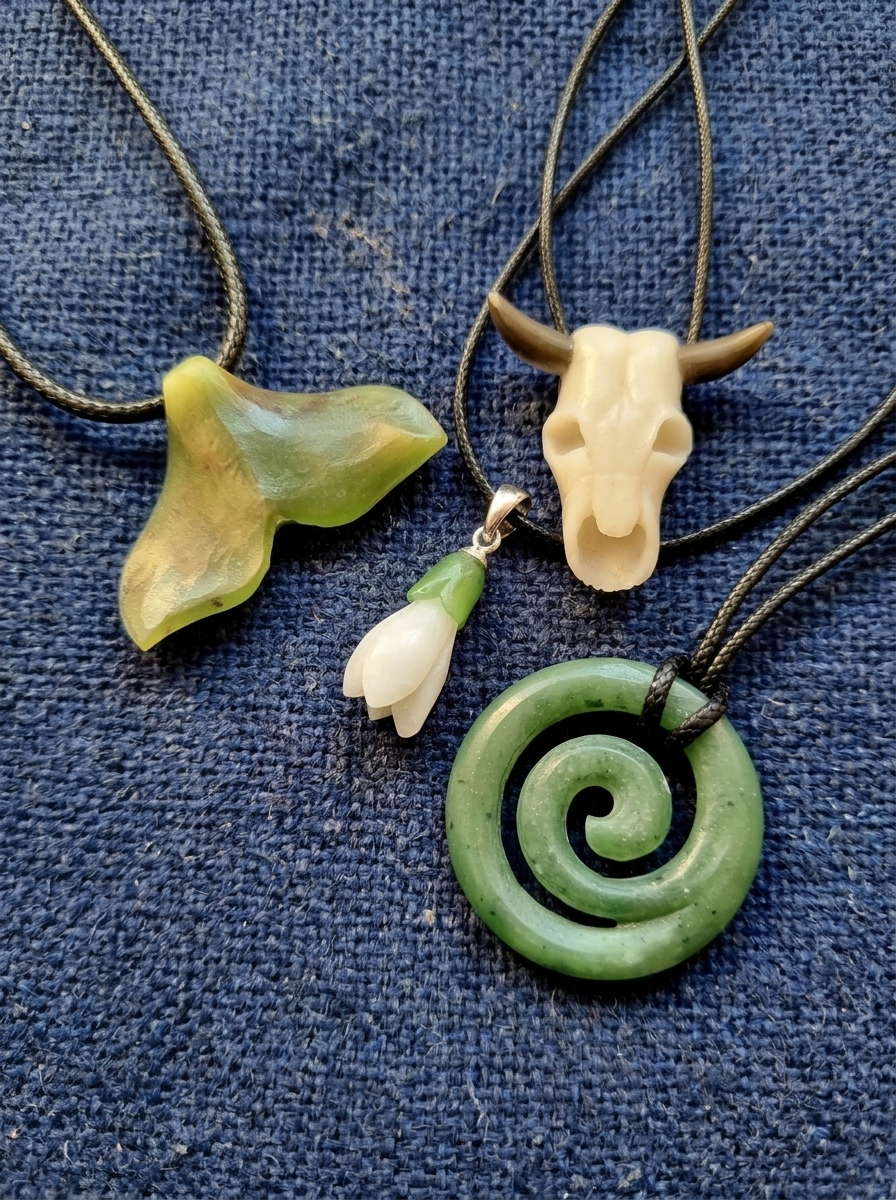
Just as the Grand Mazarin stands as a testament to nature’s artistry and human history, the pursuit of exceptional, ethically sourced gemstones and master craftsmanship continues today. For those who appreciate the unique beauty of natural materials shaped by skilled hands, whether in rare diamonds or exquisite nephrite jade, the dedication to quality is paramount. Businesses like stone-flower.com exemplify this commitment, offering pieces where the inherent beauty of the stone is honored and enhanced through meticulous artistry. Their collection, much like historic jewels, speaks to a passion for genuine beauty and lasting value.
The Grand Mazarin is more than just a diamond; it’s a profound narrative sculpted by geological forces over eons and polished by the hand of history. Its enduring appeal lies not only in its mesmerizing pink hue or significant size but in the whispers of kings, the echoes of revolutions, and the immutable forces of nature encapsulated within its brilliant facets. It stands as a powerful reminder of the lasting connection between humanity and the Earth’s most precious treasures.
Frequently Asked Questions About The Grand Mazarin Diamond
- What gives the Grand Mazarin its distinct pink color?
Unlike most colored diamonds, the Grand Mazarin’s pink hue is believed to result from plastic deformation within its crystal lattice during formation, rather than chemical impurities. This structural anomaly selectively absorbs light, allowing pink wavelengths to be transmitted. It is likely a Type IIa diamond, characterized by exceptional chemical purity. - How many French kings owned the Grand Mazarin?
The Grand Mazarin was owned by four French kings: Louis XIV, Louis XV, Louis XVI, and Napoleon Bonaparte (who, while not a king, was Emperor of the French and effectively continued the royal tradition of using the French Crown Jewels). - What is the significance of the Grand Mazarin’s recent auction?
Its 2017 auction at Christie’s Geneva was significant because it marked the first time the diamond had been offered publicly in 130 years. Its sale for over $14 million reaffirmed its status as one of the most historically important and valuable diamonds ever to come to market, highlighting the immense premium placed on provenance and rarity.