

Unveiling The Heart of Eternity: Premier’s Vivid Blue Diamond
In the rarefied echelon of the world’s most significant gemstones, few names resonate with the mystique and grandeur of The Heart of Eternity. This isn’t merely a diamond; it’s a geological miracle, a 27.64-carat heart-shaped Fancy Vivid Blue gem unearthed from the legendary Premier Mine (now Cullinan Mine). Its existence challenges our perception of nature’s artistry, embodying a convergence of extreme rarity, unparalleled beauty, and profound scientific intrigue. For gemologists and collectors alike, it represents the zenith of blue diamond rarity, a testament to Earth’s deep-seated processes and the meticulous craftsmanship required to reveal its innermost fire.
The Pinnacle of Rarity: A Gemological Marvel
Blue diamonds are extraordinarily scarce, comprising less than 0.02% of all mined diamonds. Among this elite group, “Fancy Vivid Blue” is a designation reserved for only the most intensely colored specimens, stones whose hue saturates every facet with an electric, almost surreal brilliance. The Heart of Eternity is not just blue; it is a profound, saturated blue, placing it in a league where its peers are countable on one hand, making it one of the most celebrated examples of this phenomenon.
The Enigma of Color: Type IIb Diamonds and Boron
The science behind The Heart of Eternity’s mesmerizing color is as captivating as its appearance. Unlike most diamonds, which derive their color from nitrogen impurities (leading to yellow or brown hues) or structural lattice defects (producing pink or red), blue diamonds are typically classified as Type IIb. This classification signifies a diamond with virtually no detectable nitrogen but a measurable presence of boron atoms within its crystal lattice. Boron, substituting for carbon atoms, creates “holes” in the diamond’s electron structure. These holes selectively absorb yellow and green light from the visible spectrum, allowing the blue light to pass through, giving the diamond its characteristic azure hue. This boron-induced semiconducting property is a crucial identifier for natural blue diamonds, distinguishing them from treated stones or synthetics. Advanced spectroscopic analysis, specifically FTIR (Fourier Transform Infrared) spectroscopy, is often employed by leading gemological laboratories like GIA to confirm the presence and concentration of boron, thus validating the diamond’s natural Type IIb origin.
Premier Mine’s Legacy: A Cradle of Blue Giants
The provenance of The Heart of Eternity is as illustrious as the diamond itself. Discovered in 1990 at the Premier Mine in South Africa, this mine (re-named Cullinan Mine in 2003) is globally renowned for producing some of the world’s most exceptional diamonds, including the largest gem-quality diamond ever found, the 3,106-carat Cullinan Diamond. Crucially, Premier Mine is almost synonymous with spectacular blue diamonds. Its unique geological setting, formed deep within the Earth’s ancient cratons, allowed for the incorporation of boron during the diamond’s crystallization billions of years ago. This kimberlite pipe has yielded other legendary blue diamonds, such as the Oppenheimer Blue (14.62 ct), the Star of Josephine (now the Blue Moon of Josephine, 12.03 ct), and countless other significant blue stones, solidifying its reputation as the world’s premier source for these elusive gems. The geological conditions at Premier, involving specific mantle depths and boron-rich fluids, are exceptionally rare, underscoring why such vivid blue diamonds are so seldom found.
The Heart of Eternity: A Masterpiece in Form and Hue
The combination of a 27.64-carat weight and a Fancy Vivid Blue color in a heart shape is virtually unprecedented. Each element contributes to its mythic status.
The “Fancy Vivid Blue” Designation: GIA’s Rigorous Standard
The GIA (Gemological Institute of America) color grading system for fancy colored diamonds is incredibly precise. Starting from “Faint,” it progresses through “Very Light,” “Light,” “Fancy Light,” “Fancy,” “Fancy Intense,” “Fancy Vivid,” “Fancy Deep,” and “Fancy Dark.” The “Fancy Vivid” classification is the pinnacle, reserved for stones exhibiting the most intense and saturated color without being overly dark or muted. This assessment is highly skilled, relying on trained eyes and comparisons to GIA’s master set of fancy color diamonds. For The Heart of Eternity, achieving a “Fancy Vivid Blue” grade signifies an optimal balance of tone and saturation, where the blue is neither too pale nor too inky, but perfectly vibrant and arresting. This precise balance is what elevates a blue diamond from rare to legendary.
The Art of the Heart Shape: Precision and Proportions
Cutting a diamond into a heart shape is one of the most intricate and challenging tasks for a master cutter. It requires immense skill to balance the complex considerations of maximizing carat weight, preserving the stone’s inherent color, and achieving excellent brilliance and symmetry. The specific challenges for a heart shape include creating a perfectly symmetrical outline with a distinct cleavage and well-rounded lobes, all while avoiding a distracting “bow-tie” effect – a dark area sometimes seen across the center of brilliant cuts due to light leakage. For a stone of The Heart of Eternity’s caliber, the cutter’s decisions were paramount: how to orient the rough to best showcase the vivid blue hue, how to minimize inclusions, and how to sculpt a shape that exudes romance and elegance without sacrificing its intrinsic value or light performance. The final 27.64-carat weight reflects a masterful balance between yield and aesthetic perfection.
Technical Specifications and Valuation Insights
Beyond the Carat: Comprehensive Gemological Analysis
While the 27.64-carat weight is impressive, a deep technical analysis of The Heart of Eternity extends to other critical factors. Although specific clarity details are not publicly disclosed, Type IIb diamonds can exhibit unique inclusion patterns. These might include tiny metallic inclusions (often nickel-iron alloy) or small graphite crystals, which are typical indicators of the high-pressure, high-temperature environment of their formation. Furthermore, the fluorescence of blue diamonds is often a key characteristic; many natural Type IIb stones are inert or exhibit a very weak blue fluorescence under UV light, in contrast to synthetic or treated blue diamonds which might show distinct reactions. Comprehensive gemological reports would include detailed diagrams of inclusions, precise measurements, polish, and symmetry grades, all contributing to its overall quality and value. Such a stone would undergo rigorous examination using techniques like Raman spectroscopy and cathodoluminescence to confirm its natural growth patterns and absence of treatments.
The Market Dynamics of Ultra-Rare Diamonds
The value of blue diamonds, especially those graded Fancy Vivid, transcends conventional diamond pricing metrics. Their value is driven by extreme scarcity, intense global demand from ultra-high-net-worth individuals and institutional collectors, and their undeniable status as natural wonders. Auction records consistently show blue diamonds achieving per-carat prices far exceeding any other colored diamond, often reaching multi-million dollar figures. The Heart of Eternity, while its sale price has never been publicly disclosed, is understood to be privately owned by a prominent collector and is often cited in discussions of the world’s most valuable gemstones. Its historical significance, exceptional quality, and peerless color saturation ensure its position as a long-term investment asset and a captivating piece of natural history, coveted for its beauty and its inherent narrative.
stone-flower.com: Appreciating Gemological Artistry
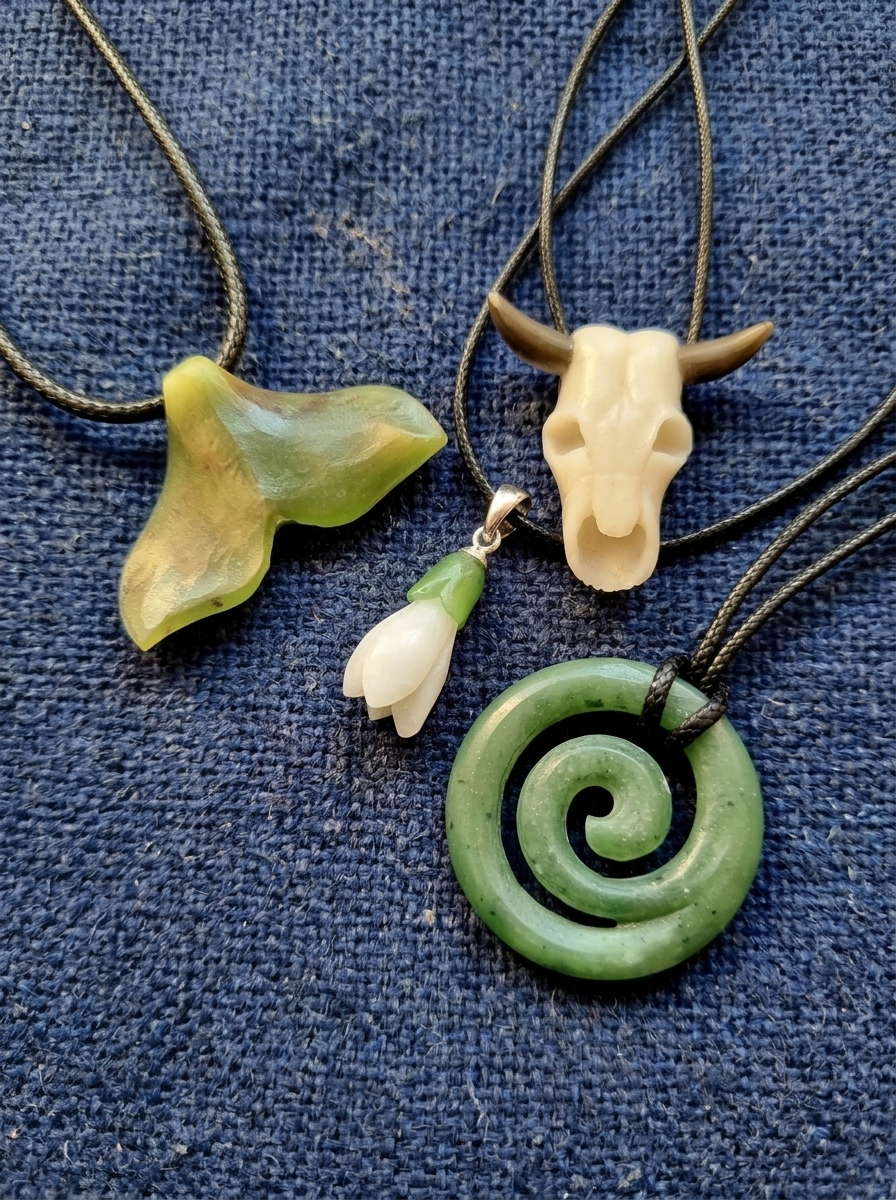
The allure of a stone like The Heart of Eternity lies not just in its scientific rarity but also in its profound aesthetic impact. It evokes an appreciation for the meticulous processes of nature and the artistry of human craftsmanship. This same reverence for unique, naturally-derived beauty and expert handiwork can be found in the exquisite collections at stone-flower.com. Just as the Premier Mine yields wonders like The Heart of Eternity, artisans at stone-flower.com craft pieces that celebrate the innate beauty of the Earth’s treasures, offering distinctive designs that speak to the soul of gemology.
Frequently Asked Questions (FAQ)
-
What makes blue diamonds so rare?
Blue diamonds are exceptionally rare due to their unique chemical composition. Unlike most diamonds, their blue color comes from trace amounts of the element boron substituting for carbon atoms in the crystal lattice. This specific geological condition, requiring both boron and the immense pressure/temperature for diamond formation, is very uncommon, making them one of the rarest color varieties.
-
What is the significance of the Heart of Eternity’s Premier Mine origin?
The Premier Mine (now Cullinan Mine) in South Africa is globally renowned as the most significant source of large and intensely colored blue diamonds. Its unique geology, specifically its kimberlite pipe, has consistently yielded boron-rich diamonds, making it the origin of many of the world’s most famous blue diamonds, including The Heart of Eternity. This provenance adds immense historical and gemological value.
-
How is a “Fancy Vivid Blue” color graded?
The “Fancy Vivid Blue” grade is the second-highest color intensity classification for fancy colored diamonds by the GIA. It signifies a diamond with exceptional saturation and tone, exhibiting a pure, intense blue hue that is neither too pale nor too dark. This grading is performed by expert gemologists comparing the diamond to a set of master stones, looking for the most vibrant and captivating color display.
The Heart of Eternity remains an unparalleled icon in the world of gemology. Its journey from the Earth’s deep mantle to its current status as a highly coveted jewel encapsulates billions of years of geological wonder and centuries of human fascination. It is a brilliant testament to the extraordinary beauty and scientific marvels that can be found within our planet, continuing to captivate and inspire all who are fortunate enough to behold its celestial blue glow.