

The Hooker Emerald: An Ottoman Legacy, Colombian Masterpiece
In the rarefied strata of historical gemstones, few command the reverence and fascination of the Hooker Emerald. This colossal 75.47-carat Colombian emerald, a titan of verdant splendor, is not merely a mineralogical marvel but a palpable link to epochs of opulence, conquest, and unparalleled craftsmanship. Its journey from the tectonic furnaces beneath Colombia to the sumptuous treasuries of the Ottoman sultans, and ultimately to its esteemed place at the Smithsonian National Museum of Natural History, is a narrative steeped in geopolitical intrigue and profound gemological significance. To truly appreciate the Hooker Emerald is to understand not just its weight in carats, but its weight in history, geology, and cultural heritage.
The Geological Pedigree of a Colombian Titan
Colombian emeralds, universally lauded as the zenith of their species, owe their distinctive allure to a unique geological genesis. Unlike most emeralds, which typically form in igneous or metamorphic pegmatites, Colombian emeralds crystallize within sedimentary host rocks through a low-temperature, hydrothermal process. This non-magmatic origin, characterized by specific geochemical conditions, results in a beryllium aluminum cyclosilicate (Be₃Al₂Si₆O₁₈) that incorporates trace elements like chromium (Cr) and vanadium (V) for its coveted green hue, with notably minimal iron content. The absence of iron contributes to the unparalleled vibrancy and purity of color often described as “Muzo green,” a benchmark for emerald quality, and a key factor gemologists consider in origin determination.
The Hooker Emerald, at 75.47 carats, unequivocally exemplifies this geological marvel. Its intense, saturated green, exhibiting a medium-dark tone and strong saturation, is a direct consequence of this specific trace element chemistry. Under magnification, a master gemologist would expect to observe a classic Colombian “jardin” – a tapestry of internal features including characteristic three-phase inclusions (a solid crystal, liquid, and gas bubble encapsulated together) along with two-phase inclusions (liquid and gas) and fine needle-like actinolite crystals. These microscopic inclusions are not flaws in the context of emerald quality, but rather invaluable fingerprints, crucial indicators of its natural origin and specific geographical provenance. Unlike emeralds from other locales, which might show different inclusion suites (e.g., Brazilian emeralds often contain mica flakes and liquid ‘healing’ veils, African emeralds amphibole or phlogopite), the Hooker’s internal landscape tells a definitive story of its Colombian birthright. Expert gemologists can discern these subtle differences, differentiating between natural hydrothermal growth structures and the less desirable flux-melt or hydrothermal synthetics by observing characteristic ‘nail-head’ or ‘chevon’ growth patterns or ‘bread-crumb’ textures absent in natural stones.
A Journey Through Empires: From Colombia to Constantinople
The precise pathway of the Hooker Emerald from the depths of the Chivor or Muzo mines to the Ottoman Empire remains veiled in the mists of antiquity, a testament to the clandestine nature of early gem trade. However, it’s certain that by the 16th century, Colombian emeralds had become prized possessions in the treasuries of European monarchs and Eastern potentates alike, facilitated by the burgeoning Spanish colonial trade routes. The Ottoman Empire, at its zenith, commanded vast wealth and cultural influence, and its sultans were renowned for their insatiable appetite for the world’s most magnificent jewels. Large, unblemished emeralds were particularly coveted, often set into ceremonial regalia, ornate weapons, or incorporated into monumental pieces of jewelry designed to project power and divine favor and symbolize paradise. The Hooker Emerald would have been one such spectacular showpiece, a gem worthy of imperial command.
For centuries, this colossal gem resided within the Ottoman treasury, a silent witness to the ebb and flow of empires, passed down through generations of sultans. Its original cutting, likely an antique cushion or octagonal step-cut, would have been executed by master lapidaries to maximize weight retention and showcase its vibrant color, rather than the brilliant faceting common in modern diamond cuts. This reverence for preserving mass and minimizing loss of the precious rough material is a hallmark of historical gem cutting, a trade secret understood by master lapidaries of the era who prioritized the raw material’s inherent value and optical properties.
Resurfacing and Renaming: The Tiffany & Co. Connection
The Hooker Emerald resurfaced in the early 20th century, emerging from the obscurity of historical collections. It was acquired by Tiffany & Co., one of the world’s most prestigious jewelers, who recognized its unparalleled beauty and historical significance. At Tiffany, the emerald was reset into a more contemporary design, losing its original antique mount, but gaining a new identity. It was later purchased by Mrs. Janet Annenberg Hooker, a notable philanthropist and avid gem collector who passionately sought out historically significant pieces. In 1977, Mrs. Hooker bequeathed this magnificent gem to the Smithsonian National Museum of Natural History, where it joined an illustrious collection of world-class jewels, forever becoming known as the “Hooker Emerald” in her honor, cementing its place in the annals of American gemology.
From a gemological perspective, the emerald’s current setting—a platinum brooch featuring 109 round brilliant-cut diamonds totaling 13 carats—is a testament to modern high jewelry design, contrasting with the gem’s ancient origins. Crucially, the emerald itself exhibits no signs of modern polymer or resin fissure-filling, a common treatment for emeralds today. While historical emeralds often received minor oiling with cedarwood oil to enhance clarity by optically reducing the visibility of surface-reaching fissures, comprehensive treatment analysis would be performed using advanced techniques such as Fourier Transform Infrared (FTIR) spectroscopy to definitively detect any foreign substances. The Hooker Emerald’s remarkably clean appearance for its size and origin, categorized as a Type III gemstone where inclusions are expected, suggests a stone of exceptional natural integrity, requiring minimal intervention.
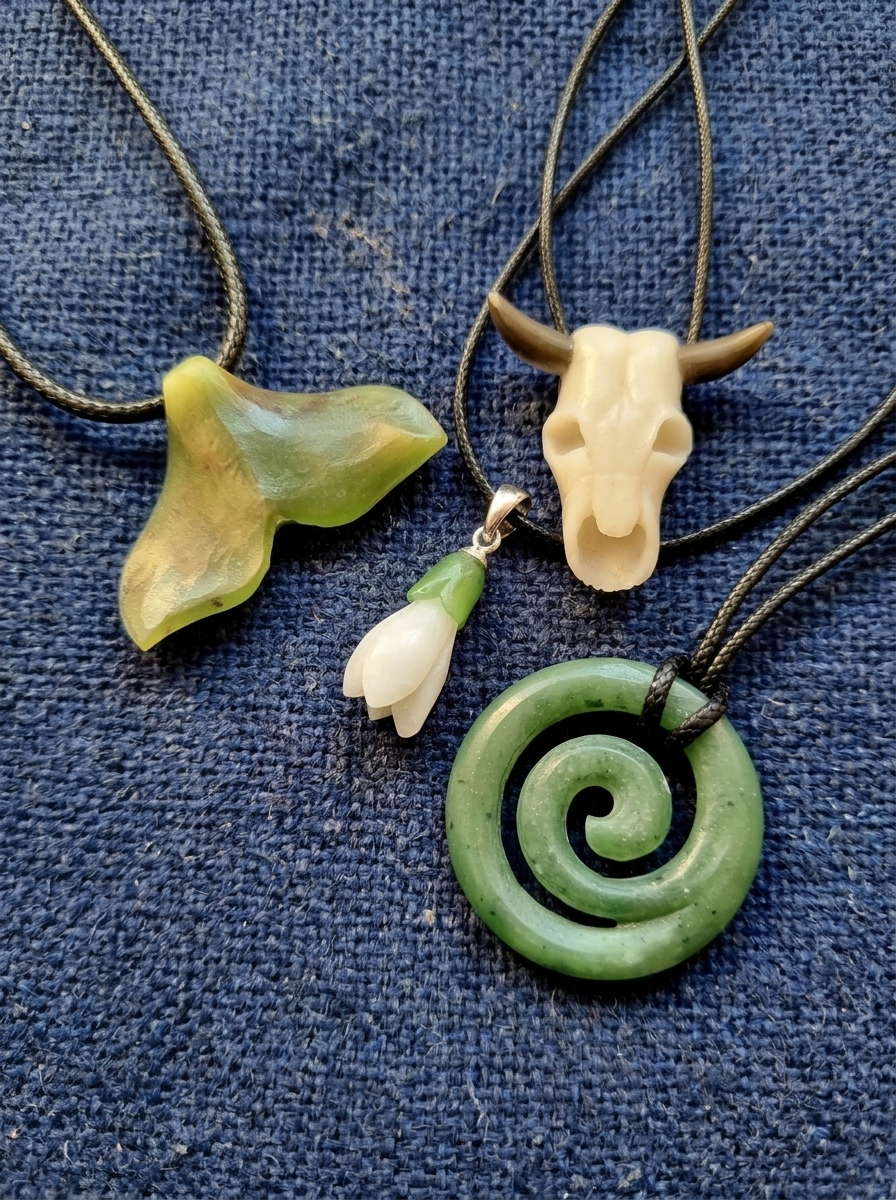
While the Hooker Emerald represents a pinnacle of natural beauty and historical significance, the enduring appeal of expertly crafted natural stone pieces continues today. For those who appreciate the artistry and geological marvels of the Earth, exploring collections of hand-carved natural gems, similar to the enduring legacy of magnificent emeralds, offers a unique connection to nature’s finest. Websites like stone-flower.com curate exquisite examples of such artistry, focusing on the innate beauty of materials, echoing the profound appreciation for natural treasures and the skilled artisans who bring their inherent splendor to life.
The Enduring Legacy
The Hooker Emerald stands as a powerful emblem of gemological excellence and historical continuity. Its profound green hue, born from deep earth processes, its silent journey through the hands of sultans and collectors, and its final resting place in a public institution, render it more than just a gemstone. It is a chronicle carved in beryl, a testament to the planet’s artistry, and a bridge connecting ancient empires with modern appreciation for natural wonders. Its story continues to captivate, inspiring gemologists, historians, and enthusiasts alike to delve deeper into the fascinating world of precious stones, reminding us of the timeless allure of the Earth’s most spectacular treasures.
Frequently Asked Questions About The Hooker Emerald
- What is the Hooker Emerald?
The Hooker Emerald is a renowned 75.47-carat Colombian emerald, famous for its vivid green color and extensive history, once part of the Ottoman Empire’s treasury and now housed at the Smithsonian National Museum of Natural History. - Where did the Hooker Emerald come from?
The emerald originated from the rich, hydrothermal emerald mines of Colombia. It later became part of the Ottoman Empire’s imperial jewels before being acquired by Tiffany & Co. and eventually donated to the Smithsonian by Mrs. Janet Annenberg Hooker. - What makes Colombian emeralds, like the Hooker Emerald, so special?
Colombian emeralds are celebrated for their exceptional “Muzo green” color, purity, and clarity, attributed to their unique low-temperature hydrothermal formation process within sedimentary rock. They typically contain chromium and vanadium for color, with minimal iron, resulting in a vibrant and saturated hue rarely matched by emeralds from other sources. Gemologists can often identify their origin by characteristic internal features like three-phase inclusions and specific growth patterns.