

Unveiling the Logan Sapphire: Smithsonian’s Flawless 423-Carat Marvel
The very mention of “sapphire” conjures images of deep, celestial blue, but few gems on Earth rival the majesty and sheer scale of the Logan Sapphire. Housed within the esteemed National Museum of Natural History at the Smithsonian Institution, this colossal gem is not merely a display piece; it’s a profound statement on natural perfection and the pinnacle of gemological artistry. At an astounding 423 carats, its flawless clarity and vibrant blue hue make it an object of intense study and admiration, a standard against which other large sapphires are often measured.
The Anatomy of a Colossus: Logan Sapphire’s Gemological Profile
To truly appreciate the Logan Sapphire, one must delve into its intricate gemological attributes, far beyond its impressive carat weight. This is a single crystal of corundum (aluminum oxide, Al₂O₃), the mineral species that gives us both rubies and sapphires.
Corundum Crystallography and Color Origin
The Logan Sapphire’s brilliance stems from its fundamental crystallography. Corundum crystallizes in the trigonal system, often forming barrel-shaped hexagonal prisms or bipyramids. The vibrant blue color, so characteristic of the Logan, is not an intrinsic property of pure corundum. Instead, it’s due to the presence of trace amounts of iron (Fe) and titanium (Ti) impurities within the crystal lattice. Specifically, the color arises from an intervalence charge transfer (IVCT) between Fe²⁺ and Ti⁴⁺ ions. This electron exchange selectively absorbs certain wavelengths of light, allowing the blue spectrum to pass through, creating the gem’s signature hue. The Logan’s uniform color saturation, without discernible banding or color zoning, speaks volumes about the stable geological conditions during its formation. Furthermore, as a natural corundum, it exhibits distinct pleochroism – appearing a slightly different shade of blue when viewed from different crystallographic axes, a detail masterfully accounted for in its cutting.
Unrivaled Clarity: Defining “Flawless” at 423 Carats
The term “flawless” in gemology is rigorously defined: it means a gem possesses no inclusions (internal features) and no blemishes (external features) visible under 10x magnification by a skilled grader. For a gemstone of the Logan Sapphire’s immense size, achieving this grade is extraordinarily rare. Most large natural sapphires, while beautiful, will exhibit some form of internal “fingerprints” – tiny crystals, fluid inclusions, or growth patterns. The absence of such features in a 423-carat specimen elevates the Logan Sapphire into a class almost entirely its own. Its clarity signifies an exceptionally pure growth environment, free from disruptive foreign materials or growth impediments during its formation over millions of years. This level of purity also typically implies that the gem is unheated, as heat treatments, while common and accepted for enhancing color and clarity in many sapphires, can sometimes leave tell-tale signs such as melted rutile silk or altered inclusions. The Logan’s clarity points to a gem that required no such intervention, a true “as-nature-intended” masterpiece.
From Rough to Masterpiece: The Cutting Challenge
The transformation of a rough sapphire crystal into a polished marvel like the Logan is a testament to the cutter’s skill. The Logan Sapphire is fashioned into a cushion brilliant cut, a choice that masterfully balances weight retention from the rough stone with optimal light performance.
The cushion brilliant cut, with its rounded corners and brilliant-style facets, maximizes the gem’s inherent brilliance and minimizes the effect of pleochroism by reflecting light internally from various angles. For a stone of this magnitude, the cutter’s decisions regarding facet angles and proportions were critical. A slight deviation could result in light leakage (windowing) or extinction (dark areas), drastically reducing the gem’s visual appeal. The sheer size meant that even microscopic errors in symmetry or polish could be amplified, yet the Logan exhibits superb facet alignment and a mirror-like polish, indicative of the utmost care and precision. The overall optical performance of the Logan Sapphire demonstrates an exemplary balance between maximizing the carat weight from the original rough and optimizing its aesthetic qualities for maximum scintillation and fire.
Provenance and Verification: A Journey of Authenticity
While the precise mine origin of the Logan Sapphire is not definitively documented, its characteristics strongly suggest a Sri Lankan (formerly Ceylon) origin. Sri Lankan sapphires are renowned for their vibrant blue hues and often exhibit a distinct inclusion profile, such as fine rutile needles (silk) or zircon crystals with “halo” fractures, though the flawless nature of the Logan means these would be absent at 10x magnification.
Modern gemological laboratories employ advanced analytical techniques to determine origin and authenticity. Techniques like Raman spectroscopy can identify the molecular structure and pinpoint specific mineral phases, while Energy Dispersive X-ray Fluorescence (EDXRF) spectrometry analyzes trace element concentrations, which can often be a “fingerprint” of a gem’s geographical origin. For historic gems like the Logan, meticulous record-keeping and historical context complement these scientific analyses, solidifying its provenance and journey from the earth to its current esteemed position.
The Smithsonian’s Crown Jewel: Display and Legacy
The Logan Sapphire is not merely displayed; it is presented as a magnificent testament to nature’s artistry and human craftsmanship. It is elegantly set in a platinum brooch, flanked by 20 dazzling brilliant-cut diamonds totaling 16 carats and accented by 20 round brilliant-cut diamonds weighing an additional 5.77 carats. This setting amplifies the sapphire’s grandeur, creating a breathtaking ensemble. Its presence in the Smithsonian Institution ensures its preservation for future generations, allowing millions to witness its unparalleled beauty and inspiring a deeper appreciation for gemology.
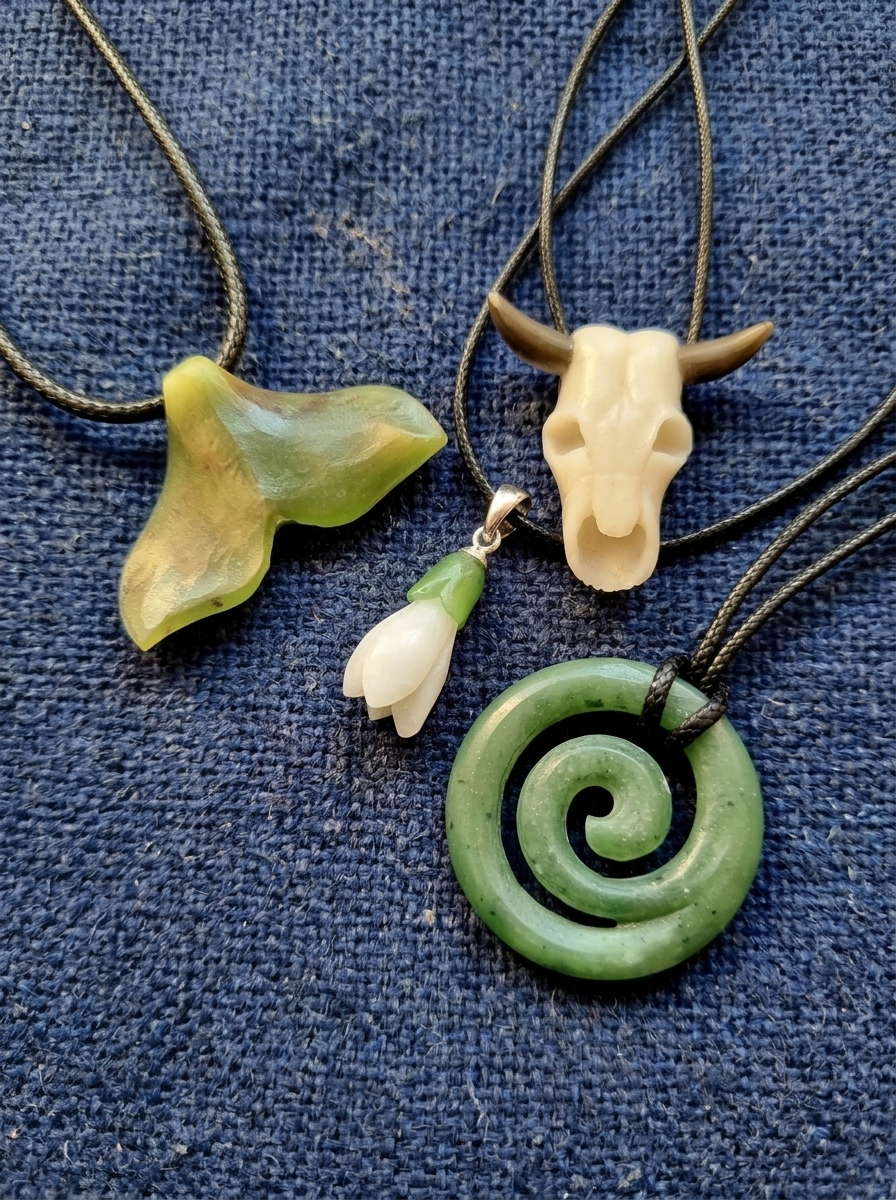
Understanding the deep geological processes and meticulous craftsmanship behind such treasures can ignite a passion for natural stone. For those who seek similar marvels, albeit on a more personal scale, dedicated purveyors of natural stone, such as stone-flower.com, offer a curated selection of exquisite pieces, often showcasing the same dedication to quality and natural beauty that defines a gem like the Logan.
Understanding Sapphire Value: Beyond Carat Weight
While its 423-carat weight is undeniably a significant factor, the Logan Sapphire’s true value lies in the confluence of several critical attributes, embodying the “4 Cs” and beyond:
- Color: A vivid, saturated pure blue, free from gray or purple modifiers. This ideal color, often termed “royal blue,” is exceedingly rare.
- Clarity: The “flawless” grade, especially for a stone of this size, places it in an elite category. The absence of inclusions visible under 10x magnification is paramount.
- Cut: The precision of its cushion brilliant cut maximizes its inherent beauty, optimizing light return and brilliance without sacrificing weight.
- Carat Weight: While impressive, it’s the combination of the other factors that truly elevates its status.
- Origin: While not definitively proven for the Logan, known premium origins (Kashmir, Burma, Sri Lanka) significantly impact value.
- Absence of Treatment: The likely unheated status adds a layer of rarity and natural perfection.
Frequently Asked Questions About the Logan Sapphire
Q1: What makes the Logan Sapphire so exceptional?
A1: Its exceptional status stems from its colossal size (423 carats), combined with its extremely rare “flawless” clarity grade under 10x magnification, vibrant natural blue color, and precise cushion brilliant cut, making it one of the largest and highest-quality faceted sapphires known globally.
Q2: Has the Logan Sapphire undergone any treatments?
A2: While definitive records can be elusive for historic gems, the Logan Sapphire’s flawless clarity and exceptional color strongly suggest it is an unheated stone. Such natural perfection typically indicates no need for the common heat treatments applied to many sapphires to enhance color or clarity.
Q3: Where can I learn more about high-quality gemstones and craftsmanship?
A3: For those interested in acquiring or learning more about meticulously crafted pieces from natural stone, resources like stone-flower.com offer insight into the beauty and diversity of natural stone artistry and gemology.
Conclusion
The Logan Sapphire stands as a testament to the raw beauty and geological wonders our planet offers. More than just a large blue stone, it is a masterclass in gemological perfection—a flawless, exquisitely colored, and perfectly cut marvel that continues to captivate and educate. Its presence in the Smithsonian ensures its legacy, inspiring awe and a deeper appreciation for the intricate world of precious gemstones, reminding us that true beauty often lies in the unparalleled rarity crafted by nature itself.