

The Martian Pink: A Gemological Anomaly and Record-Breaking Icon
In the rarefied world of haute joaillerie, few stones command the fascination and awe of a truly exceptional colored diamond. The Martian Pink, a breathtaking 12.04-carat round brilliant Fancy Intense Pink diamond, is not merely a gem; it’s a phenomenon. Named in honor of the 1976 Viking mission to Mars, this stone shattered auction records, fetching an astonishing $17.4 million at Christie’s Hong Kong in 2012. Its allure stems from an unparalleled combination of size, color intensity, and an origin story steeped in geological mystery and human endeavor.
The Martian Pink: A Rarity Beyond Terrestrial Comprehension
Understanding the value of the Martian Pink requires a deep dive into the very genesis of pink diamonds – one of nature’s most enigmatic creations. Unlike yellow diamonds, which derive their color from nitrogen impurities, or blue diamonds, colored by boron, the exact mechanism for pink coloration remains debated among crystallographers and gemologists. The prevailing theory attributes the pink hue to plastic deformation within the diamond’s crystal lattice. Intense pressure and heat deep within the Earth’s mantle cause the carbon atoms to shift, creating structural defects that selectively absorb light, resulting in the coveted pink spectrum.
This structural anomaly also places most natural pink diamonds firmly within the Type IIa classification. Accounting for less than 2% of all natural diamonds, Type IIa stones are chemically pure, containing virtually no nitrogen. This purity is crucial, as nitrogen could interfere with the delicate lattice distortions responsible for the pink color. The absence of nitrogen, combined with the extreme geological forces, makes pink diamond formation incredibly rare.
The Martian Pink’s “Fancy Intense Pink” grading is another critical factor. The Gemological Institute of America (GIA) grades colored diamonds on a scale of increasing intensity: Faint, Very Light, Light, Fancy, Fancy Intense, Fancy Vivid, Fancy Deep, and Fancy Dark. A “Fancy Intense” rating signifies a strong, vivid pink hue with significant saturation. Achieving this level in a natural diamond, especially one exceeding 10 carats, is extraordinarily rare. Most natural pink diamonds are typically under one carat and often fall into the “Fancy” or “Light” categories.
Furthermore, its round brilliant cut is a testament to master craftsmanship. For colored diamonds, the cutter’s primary goal is to maximize color rather than brilliance. This often leads to fancy shapes like cushions, radiants, or ovals. To achieve a perfectly symmetrical round brilliant cut, known for its unparalleled scintillation and fire, while simultaneously preserving and enhancing a Fancy Intense Pink hue, requires exceptional skill and a deep understanding of light dynamics within the specific crystal. The fact that the Martian Pink is a perfect round brilliant adds another layer of rarity and complexity to its allure.
Unpacking the Record: Why Millions for Martian Pink?
The record-breaking sale of the Martian Pink wasn’t merely a reflection of its gemological attributes but also of sophisticated market dynamics. Rare colored diamonds, particularly pinks, blue, and reds, are considered investment-grade assets due to their finite supply and ever-increasing demand from ultra-high-net-worth individuals and collectors. The Martian Pink’s significant size for its color grade, combined with its historical provenance—it was previously part of the prestigious Harry Winston collection for 36 years—further cemented its status as a highly desirable acquisition.
Its evocative name, coined by Ronald Winston in 1976 to commemorate the first Viking spacecraft landing on Mars, imbued it with an additional layer of mystique and romantic appeal. This blend of scientific rarity, artistic cutting, historical importance, and clever branding created a perfect storm for an astronomical auction price.
Gemological Disclosures & Trade Secrets: Verifying Authenticity
In the high-stakes world of fancy colored diamonds, verification is paramount. Expert gemologists employ a suite of advanced spectroscopic techniques to confirm natural origin and rule out treatments:
- FTIR (Fourier-Transform Infrared) Spectroscopy: This technique identifies the presence or absence of nitrogen, unequivocally confirming a Type IIa diamond. Treated pinks (often Type Ia, containing nitrogen) will show different absorption patterns.
- UV/Vis (Ultraviolet/Visible) Spectroscopy: Reveals specific absorption bands related to the color-causing defects. Natural pinks exhibit characteristic absorption features in the visible region (e.g., a broad band around 550 nm), distinct from those induced by irradiation or HPHT (High Pressure, High Temperature) treatments.
- Cathodoluminescence (CL): This technique maps the growth patterns and defect distribution within the diamond, often revealing concentric zoning in natural stones that would be absent or altered in treated specimens. *Trade Secret:* In natural pinks, subtle zoning visible under CL can often correlate with variations in lattice strain responsible for color, a pattern difficult to replicate synthetically or through treatment.
- Raman Spectroscopy: Can detect subtle shifts in the diamond’s vibrational modes, sometimes indicating lattice damage consistent with either natural deformation or specific treatment types.
Clarity enhancements, such as laser drilling or fracture filling, are also rigorously screened. While highly unlikely for a stone of the Martian Pink’s caliber, gemological laboratories will scrutinize internal features under high magnification for any tell-tale signs like flash effects, gas bubbles, or unnatural internal trails.
For collectors, the provenance and ethical sourcing of such a significant gem are increasingly important. While the Martian Pink is a historic stone predating many modern traceability initiatives, reputable dealers and auction houses provide detailed histories to ensure transparency.
The Stone-Flower Connection: Crafting Rarity
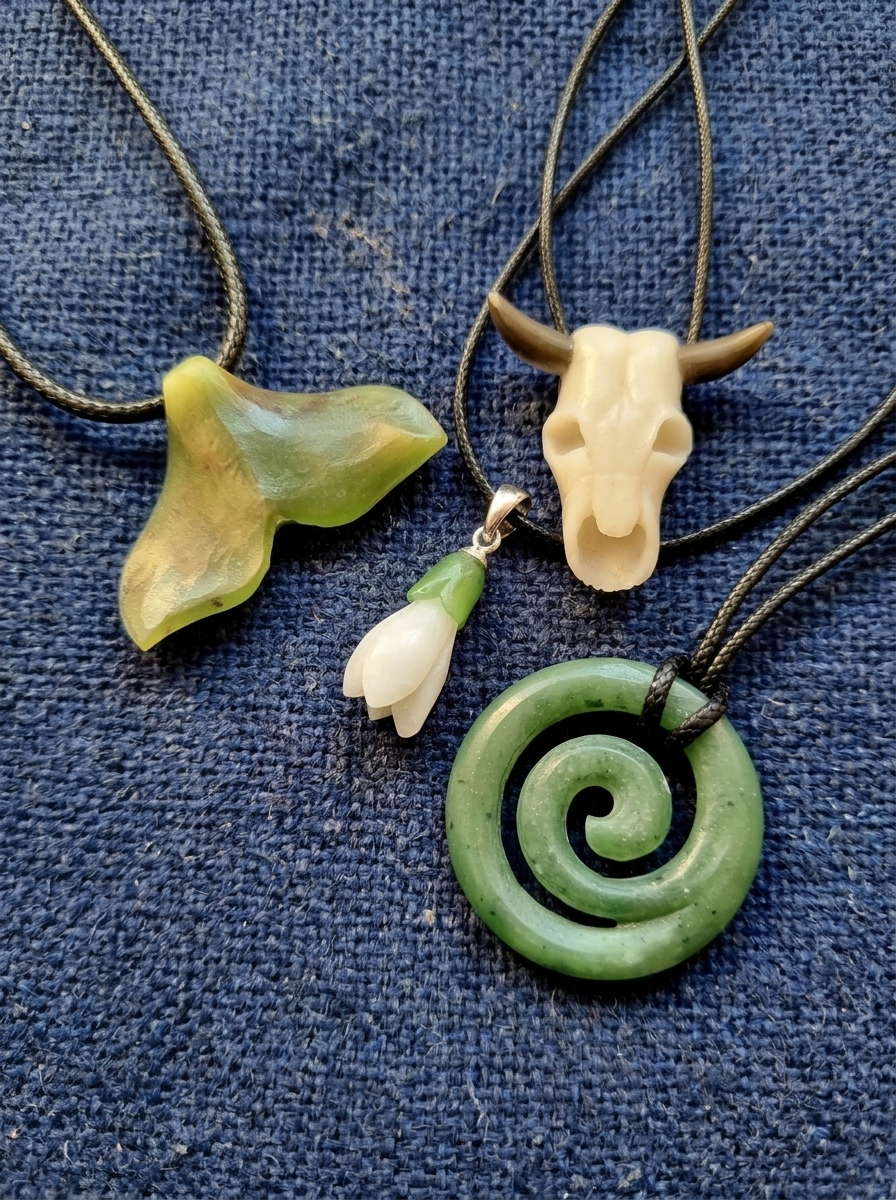
Just as the Martian Pink stands as a testament to nature’s artistry and human craftsmanship, the philosophy at stone-flower.com resonates with this appreciation for unparalleled beauty and meticulous creation. Specializing in unique, hand-carved pieces from exceptional materials like nephrite jade, stone-flower.com understands the profound value of rarity, expert artistry, and the deep connection between stone and story. Each piece reflects a commitment to quality and individuality, mirroring the singular grandeur of a diamond like the Martian Pink.
Frequently Asked Questions About Pink Diamonds
- Q1: What makes pink diamonds so rare compared to other diamond colors?
A1: Pink diamonds are rare because their color is believed to originate from rare plastic deformation within the crystal lattice, rather than common chemical impurities like nitrogen (yellow diamonds) or boron (blue diamonds). This structural anomaly, often found in Type IIa diamonds (less than 2% of all diamonds), requires immense geological forces to occur naturally. - Q2: How do gemologists verify a pink diamond’s natural color versus a treated one?
A2: Expert gemologists use advanced spectroscopic techniques like FTIR, UV/Vis, Cathodoluminescence, and Raman spectroscopy. These methods analyze the diamond’s absorption patterns, growth structures, and chemical purity to distinguish the unique characteristics of naturally occurring color centers from those induced by treatments like HPHT or irradiation. - Q3: What does “Fancy Intense Pink” signify in a diamond’s grading?
A3: “Fancy Intense Pink” is a GIA color grade that signifies a strong, vibrant, and highly saturated pink hue. It’s one of the highest intensity grades for colored diamonds, indicating a richer, more pronounced color than “Fancy” but slightly less saturated than “Fancy Vivid” or “Fancy Deep.” This intensity significantly contributes to its rarity and value.
The Martian Pink diamond remains a beacon of rarity, an embodiment of nature’s mysterious artistry, and a testament to the enduring human fascination with extraordinary gems. Its legacy continues to inspire awe, setting an almost unattainable benchmark for beauty and value in the world of colored diamonds.