

The Millennium Sapphire: A Colossal Canvas of History and Artistry
Imagine a single gemstone, not merely faceted for brilliance, but sculpted into an intricate tapestry of historical figures, weighing as much as a small child. This isn’t a fantasy; it’s the reality of the Millennium Sapphire, a breathtaking 61,500-carat behemoth that stands as an unparalleled testament to nature’s grandeur and human ingenuity. More than just a large gem, it is a peerless work of art, meticulously carved with 134 likenesses of the greatest figures in human history, from Christ and Buddha to Shakespeare and Einstein. Its very existence challenges conventional gemological paradigms, blending the raw power of a colossal corundum crystal with the delicate precision of a master sculptor.
From Rough Stone to Global Icon: The Millennium Sapphire’s Genesis
Discovered in Madagascar in 1995, the original rough sapphire weighed an astounding 84,000 carats (approximately 37 pounds). To the untrained eye, it was a massive, opaque blue boulder, perhaps hinting at its internal potential but revealing little of its ultimate destiny. However, to seasoned gemologists and visionary collectors, it represented an unprecedented opportunity. The decision was made not to facet it into traditional stones, which would yield numerous smaller, albeit valuable, gems, but to preserve its colossal size and transform it into a singular, monumental sculpture. This bold choice immediately elevated its status from a mere gemstone to a future masterpiece of applied gemology.
The sapphire, a variant of the mineral corundum, registers a formidable 9 on the Mohs scale of mineral hardness. This inherent toughness, while desirable for durability in jewelry, presents an extraordinary challenge for carving. Unlike softer stones, corundum demands specialized tools and techniques, primarily employing industrial diamonds as the abrasive medium. The process of transforming this rough into the Millennium Sapphire was entrusted to the Italian artist and master carver, Alessio Boschi, renowned for his intricate detail work and deep understanding of gemstone properties.
The Art of Carving Corundum: Technical Nuances and Trade Secrets
Carving a gem of this magnitude and hardness is an endeavor fraught with technical complexities and immense risk. Boschi’s approach was not merely artistic; it was a meticulous engineering project. The initial stages involved extensive planning, including detailed 3D modeling and laser mapping of the rough stone to identify optimal carving locations, potential inclusions, and internal stress planes. This pre-visualization allowed for strategic removal of material, minimizing the risk of catastrophic fracture. A crucial trade secret in carving such massive, hard stones is the precise management of heat and vibration. Constant cooling with specialized fluid systems is paramount to prevent thermal shock and maintain tool integrity. Diamond-tipped rotary burs, ranging from coarse shaping tools to microscopic detail points, operated at incredibly high RPMs, were the instruments of transformation. Ultrasonic drills were also likely employed for fine, precise internal cuts, reducing stress on the surrounding material.
The selection of 134 historical figures, ranging from revered religious leaders like Christ and Muhammad to groundbreaking scientists like Albert Einstein, and artistic geniuses such as Michelangelo and Beethoven, was not arbitrary. The overarching theme, “The Eye of the World,” sought to encapsulate humanity’s most significant achievements across various civilizations. Each figure was carved with such precision that their distinctive features are immediately recognizable, a monumental feat considering the scale and hardness of the medium. The challenge was compounded by the fact that sapphires, even those of high quality, can exhibit color zoning and subtle inclusions. Boschi had to skillfully incorporate these natural characteristics into his design, or strategically carve around them, a testament to his expertise. This level of planning and execution, marrying high art with rigorous material science, sets the Millennium Sapphire apart as a unique triumph in gemology.
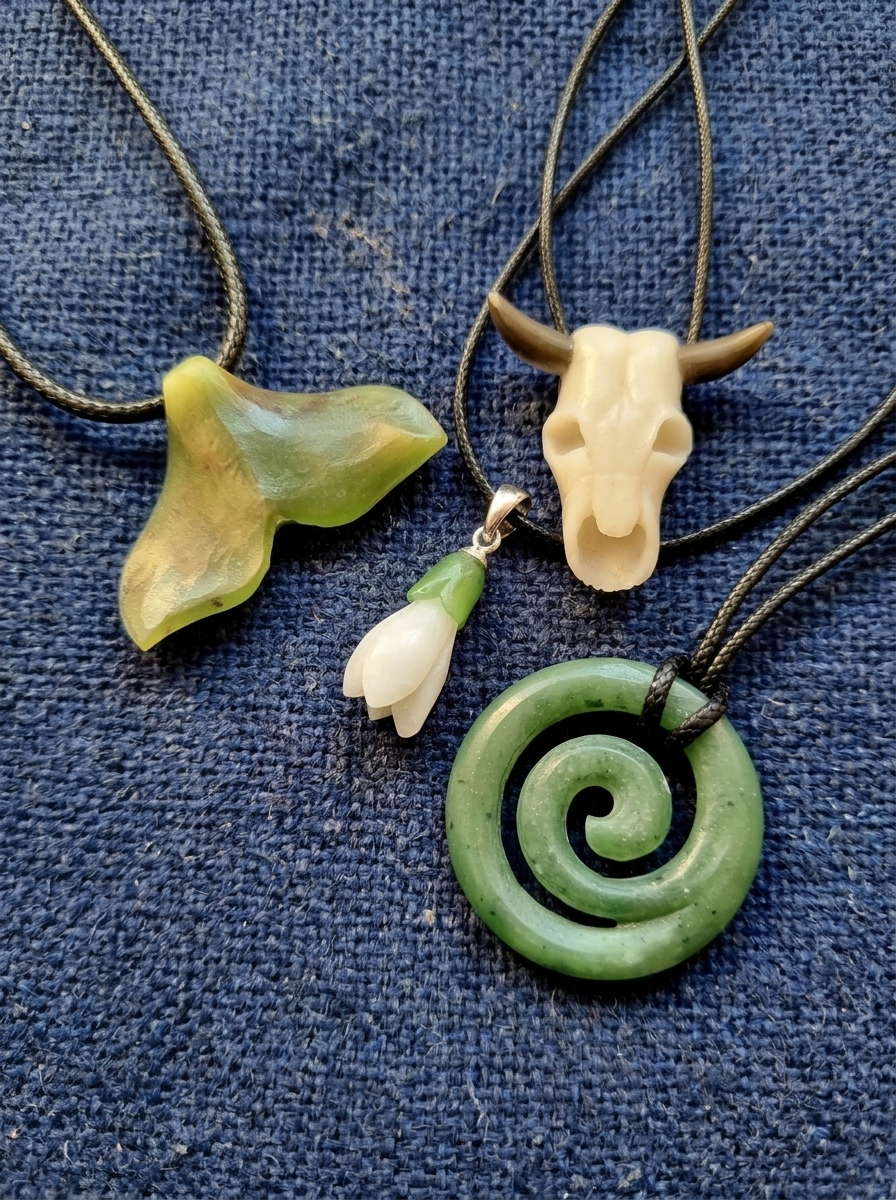
The meticulous planning and execution seen in the Millennium Sapphire echo the dedication required for any complex gem carving. Whether it’s the intricate relief work on a colossal sapphire or the subtle curves of a hand-carved nephrite jade pendant, as showcased on stone-flower.com, the intrinsic value of the material is elevated by masterful design and painstaking craftsmanship. Artisans understand that each stroke must respect the stone’s inherent properties, transforming raw beauty into enduring art.
Gemological Prowess and Unprecedented Value
The finished Millennium Sapphire, weighing 61,500 carats (approximately 12.3 kilograms or 27 pounds) and measuring 28 centimeters (11 inches) long, 20 centimeters (8 inches) wide, and 13 centimeters (5 inches) deep, is not only an artistic marvel but also a gemological anomaly. Its sheer size and the complexity of its carving place it in a category of its own. Most large sapphires, like the Star of India or the Black Star of Queensland, are cut as cabochons to display their asterism. The Millennium Sapphire, however, is a relief sculpture, showcasing the gem’s internal structure and clarity through its carved surfaces, which required an equally meticulous polishing process to achieve its final luster without diminishing the intricate details.
While its exact market value is difficult to quantify due to its unique status as a one-of-a-kind art object, it has been insured for $180 million. This valuation reflects not only the intrinsic value of the enormous corundum crystal but also the immense artistic, historical, and intellectual capital invested in its creation. It transcends being a mere gem; it is a cultural artifact, a testament to human endeavor, and a symbol of global heritage. Its rarity is compounded by the fact that carving sapphires of this magnitude is virtually unheard of. This specific sapphire likely exhibits some degree of pleochroism and a refractive index typical for corundum, but its artistic form overshadows these standard gemological measurements, making its visual impact and narrative paramount.
A Legacy Etched in Stone
The Millennium Sapphire has captivated audiences worldwide through exhibitions, symbolizing human unity and the enduring power of art. It represents a bold deviation from traditional gem cutting, establishing a new benchmark for what is possible when gemology meets sculpture on an epic scale. It stands as a perpetual reminder that the most extraordinary treasures are often those that defy categorization, blending natural wonder with the boundless spirit of human creativity. It’s a profound statement on the value we place on both the rare gifts of the earth and the skill of the human hand to transform them into something truly legendary.
Frequently Asked Questions About The Millennium Sapphire
- What is the Millennium Sapphire’s estimated value?
The Millennium Sapphire has been insured for a staggering $180 million, reflecting its unique status as both a colossal gemstone and a masterful work of art. - Who carved the Millennium Sapphire?
The intricate carving of the Millennium Sapphire was executed by the renowned Italian artist and master carver, Alessio Boschi. - How many historical figures are carved into the Millennium Sapphire?
The Millennium Sapphire is meticulously carved with 134 likenesses of famous historical figures from various civilizations, encompassing a wide spectrum of human achievement.