

Moussaieff Blue: Unveiling The 8.01ct Fancy Vivid Blue Fire
The world of high-gemology is often defined by superlatives, but few stones command the awe and intellectual curiosity inspired by the Moussaieff Blue. An 8.01-carat, Fancy Vivid Blue diamond, it is not merely a gemstone; it is a profound testament to the Earth’s geological artistry and the pinnacle of diamond rarity. Its intense color and dazzling fire captivate, signaling a convergence of exceptional mineralogy, precise cutting, and historical provenance that few diamonds can rival.
The Pinnacle of Blue: Defining the Moussaieff Blue
At 8.01 carats, the Moussaieff Blue stands as one of the largest Fancy Vivid Blue diamonds ever discovered and graded by the Gemological Institute of America (GIA). Its primary attribute, “Fancy Vivid Blue,” signifies the highest possible saturation and tone for a blue diamond, a designation achieved by an infinitesimally small fraction of all blue diamonds unearthed. Originally known as the “Fancy Vivid Blue Shield Diamond,” its acquisition by Moussaieff Jewelers cemented its place among the world’s elite gemstones, often showcased alongside other legendary diamonds.
Unraveling the Science: Boron’s Influence on Azure Hues
Understanding the Moussaieff Blue’s mesmerizing color requires a deep dive into its atomic structure, a realm far more complex than simple visual appeal.
The Enigma of Type IIb Diamonds
Unlike the vast majority of colorless diamonds (Type Ia) which derive their hue from nitrogen impurities, blue diamonds are predominantly classified as Type IIb. This designation is crucial: Type IIb diamonds contain uncompensated boron atoms within their crystal lattice and are virtually devoid of nitrogen. Boron, substituting for carbon atoms, absorbs light in the red and yellow regions of the visible spectrum, allowing blue light to pass through, thus creating the characteristic blue color. The higher the concentration of boron, the more intense the blue hue. This rare atomic configuration also imparts semiconducting properties to Type IIb diamonds, a unique characteristic that distinguishes them from all other diamond types. Gemological laboratories often utilize UV-Vis-NIR (Ultraviolet-Visible-Near Infrared) spectroscopy to confirm the presence of boron and the absence of nitrogen, unequivocally identifying Type IIb diamonds.
GIA’s Fancy Vivid Paradigm
The “Fancy Vivid” grade is not bestowed lightly. GIA’s color grading for fancy colored diamonds assesses three primary components: hue, tone, and saturation.
- Hue: The dominant color present (e.g., blue, green-blue). The Moussaieff Blue exhibits a pure blue hue with minimal secondary modifiers.
- Tone: The lightness or darkness of the color. A balanced tone is critical for “Vivid,” allowing the color to appear neither too dark nor too pale.
- Saturation: The strength or intensity of the color. “Fancy Vivid” demands the highest level of saturation, meaning the color is rich, deep, and vibrant, often described as electrifying or electric blue.
Achieving “Fancy Vivid” status for an 8.01-carat blue diamond is an exceptionally rare occurrence, representing an optimal confluence of boron concentration, crystal purity, and geological formation conditions over billions of years. The “face-up” color, how the diamond presents its color when viewed from the top, is the ultimate determinant in fancy color grading, and for the Moussaieff Blue, it is nothing short of spectacular.
The Art of the Cut: Optimizing Color and Fire
While colorless diamonds are typically cut to maximize brilliance and dispersion (fire), the cutting philosophy for fancy colored diamonds shifts dramatically. For the Moussaieff Blue, a cushion brilliant cut was likely chosen not primarily for fire, but to enhance and concentrate its extraordinary blue color. This cut features larger facets and a modified facet arrangement that allows for greater light return *through* the body of the diamond, intensifying its inherent color.
The skilled cutter must balance several critical factors:
- Color Retention: Maximizing the stone’s perceived color saturation.
- Weight Retention: Preserving as much of the rough diamond as possible, given its immense rarity.
- Overall Proportions: Ensuring the diamond still exhibits pleasing visual characteristics and acceptable brightness.
The “fire” or dispersion in the Moussaieff Blue, while present, plays a supporting role to the dominant, breathtaking body color. Its intense blue acts as a filter, allowing glimpses of spectral colors but primarily delivering a profound, unadulterated blue spectacle.
Beyond the Stats: The Rarity Factor and Market Value
Blue diamonds constitute a minuscule fraction – less than 0.01% – of all diamonds mined globally. Among these, the proportion that achieves “Fancy Vivid” status is even smaller, making the Moussaieff Blue an extreme outlier in terms of rarity. Most significant blue diamonds originate from the Cullinan (formerly Premier) Mine in South Africa, a geological anomaly renowned for producing Type IIb diamonds.
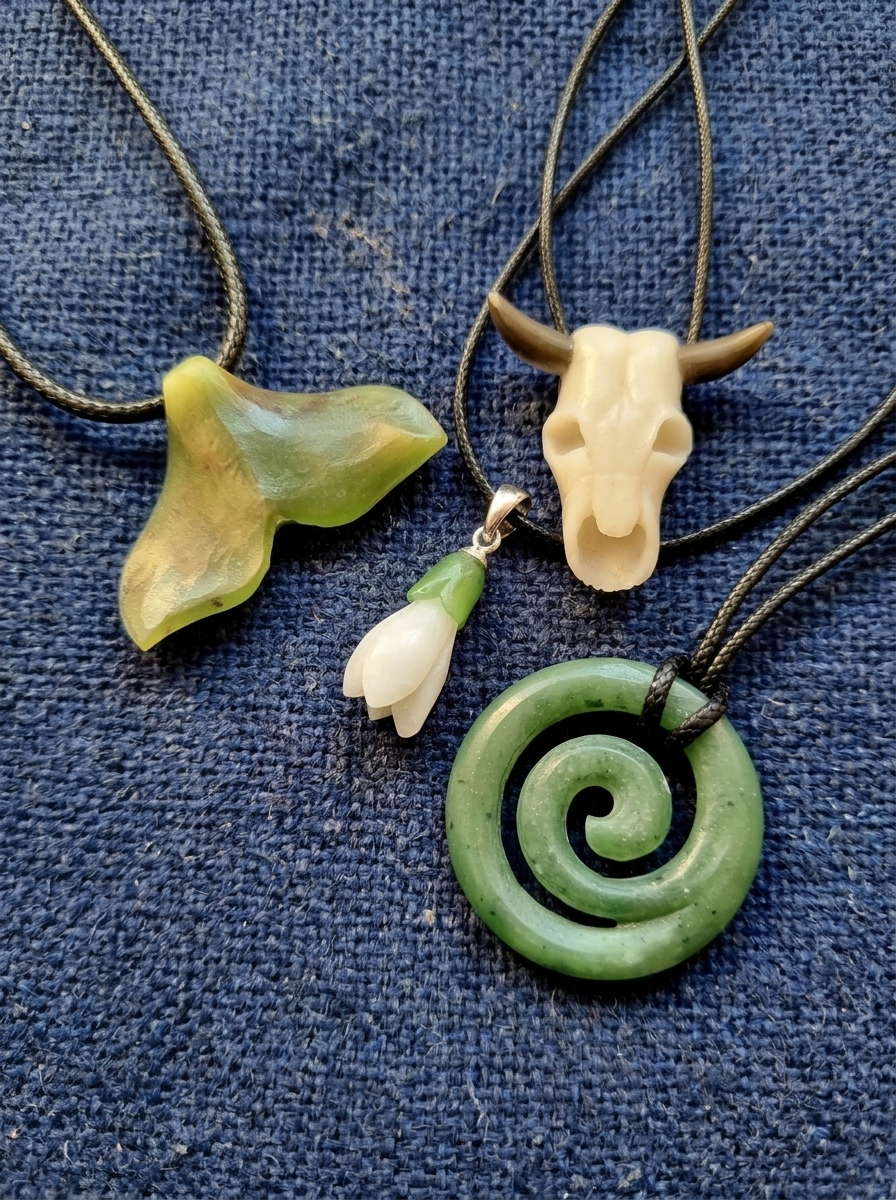
The market value of such a diamond is not linear; it follows an exponential curve based on its color grade, size, and origin. While the exact purchase price by Moussaieff is not publicly disclosed, stones of comparable rarity and intensity have fetched tens of millions of dollars at auction. The investment value is not merely in its carat weight but in its unique confluence of size, color, and rarity that ensures its irreplaceable status. For those who appreciate the profound beauty and exceptional craftsmanship that goes into selecting and presenting such unique geological treasures, understanding their origins and characteristics is key. Websites like stone-flower.com specialize in offering exquisite and unique natural materials, celebrating the artistic and natural world, much like the Moussaieff Blue exemplifies the pinnacle of nature’s artistry.
Technical Deep Dive: Gemological Instrumentation and Verification
The authenticity and characteristics of a diamond like the Moussaieff Blue undergo rigorous scrutiny by leading gemological laboratories. Beyond visual inspection and standard grading, advanced instrumentation confirms its identity:
- FTIR (Fourier-Transform Infrared Spectroscopy): Used to detect nitrogen absorption peaks, confirming the absence of nitrogen in Type IIb diamonds.
- Raman Spectroscopy: Can confirm diamond identity and detect subtle lattice impurities.
- DiamondView™ Imaging: Utilizes short-wave UV light to reveal growth patterns, distinguishing natural diamonds from synthetics, and sometimes indicating treatment.
These technical validations are critical trade secrets, safeguarding the integrity of such high-value assets and ensuring their natural origin and unenhanced color.
FAQ: Your Questions on the Moussaieff Blue Answered
Q1: What makes the Moussaieff Blue so exceptionally rare?
Its rarity stems from a combination of factors: its classification as a Type IIb diamond, meaning it contains boron impurities giving it a natural blue color; its significant size of 8.01 carats for a blue diamond; and most importantly, its exceptional Fancy Vivid Blue color grade, which signifies the highest possible saturation and tone, a grade achieved by an extremely small percentage of blue diamonds.
Q2: How does “Fancy Vivid Blue” compare to other blue diamond grades?
GIA’s fancy color grading scale for blue diamonds ranges from Faint Blue, Very Light Blue, Light Blue, Fancy Light Blue, Fancy Blue, Fancy Intense Blue, Fancy Deep Blue, to Fancy Vivid Blue. “Fancy Vivid Blue” is the rarest and most coveted grade, representing the purest, most intense, and saturated blue hue achievable, with an optimal balance of tone that makes the color appear exceptionally vibrant and electrifying.
Q3: What is the estimated market value of a diamond like the Moussaieff Blue?
While the exact transaction details for the Moussaieff Blue are private, diamonds of similar rarity, size, and color saturation command extraordinary prices. Given its 8.01-carat weight and Fancy Vivid Blue grading, such a diamond would be valued in the tens of millions of dollars. The market for Fancy Vivid Blue diamonds exhibits an exponential price curve, meaning slight increases in carat weight or color intensity can lead to disproportionately higher valuations.
The Moussaieff Blue is more than a jewel; it is a tangible piece of Earth’s enigmatic history, a marvel of crystallography, and a symbol of ultimate luxury and rarity. Its fiery blue brilliance continues to define the pinnacle of natural diamond beauty, a testament to its enduring allure for collectors, connoisseurs, and gemologists worldwide.