

Orlov Diamond: Imperial Majesty & Gemological Intrigue
Few gemstones command the sheer historical weight and gemological fascination of the Orlov Diamond. A colossal 189.62-carat marvel, it isn’t merely a stone; it is a repository of imperial power, ancient cutting traditions, and the captivating allure of the world’s most legendary diamond mines. Enshrined in the Imperial Sceptre of Russia, the Orlov stands as a testament to geological grandeur and human endeavor.
The Lure of Golconda: Origins and Early Journey
The Orlov Diamond’s narrative begins, like so many other iconic diamonds, deep within the primordial alluvial gravels of the legendary Golconda mines in India. This region, a geological anomaly, produced some of the finest Type IIa diamonds known to history, characterized by exceptional transparency and purity due to the virtual absence of nitrogen impurities. Discovered likely in the 17th century, its rough form would have been an impressive octahedral crystal, destined for greatness.
Initially, this prodigious gem was known as the “Great Moghul Diamond,” though some historical accounts suggest it might have been the nucleus of what later became the Orlov. Its journey from the mines of Golconda to European courts was fraught with political intrigue and clandestine transactions, a common trajectory for such coveted treasures. Early estimates of its rough weight suggest it was significantly larger, potentially over 300 carats, before its initial cutting transformed it into a more manageable, albeit still monumental, gem. It is believed to have resided for a time in a South Indian temple, possibly as the eye of an idol, before its eventual appropriation and entry into the global gem trade.
A Gemological Marvel: Deconstructing the Orlov
The 189.62-Carat Enigma: Scale and Significance
At an astonishing 189.62 metric carats, the Orlov is among the largest cut diamonds in the world. To put this in perspective, a modern 1-carat round brilliant diamond typically measures 6.5mm in diameter. The Orlov, by contrast, is a massive ovoid stone, approximately 32mm long, 35mm wide, and 21mm deep. Its sheer mass made it an object of immense value and prestige in an era where large, fine diamonds were exceedingly rare. Its size alone positions it as a historical benchmark, predating modern precision cutting and grading standards.
The “Moghul Cut”: A Masterpiece of Weight Retention
Perhaps the most distinctive and technically fascinating aspect of the Orlov is its extraordinary “Moghul cut,” often referred to as an Indian rose cut or a table cut. This ancient cutting style dramatically contrasts with the symmetry and facet complexity of modern brilliant cuts. The Moghul cut is characterized by:
- High Crown and Large Pavilion: The stone retains a significant portion of its original rough weight, with a deep pavilion tapering to a point and a high, domed crown.
- Minimal Faceting: Unlike the 57 or 58 facets of a modern round brilliant, the Orlov features relatively few facets, often asymmetrical and irregular. Its upper surface is dominated by a large table facet, surrounded by rows of smaller, triangular, and kite-shaped facets that follow the natural crystal growth.
- Weight Retention over Brilliance: The primary objective of the Moghul cut was to maximize carat weight from the rough crystal, a paramount concern in an age where size equaled status. Modern cuts prioritize brilliance, fire, and scintillation through precise facet arrangements designed to optimize light return. The Orlov, instead, exhibits broad, majestic flashes of light rather than intense sparkle, giving it a unique, subdued glow that speaks to its age and origin.
- Historical Context: This cutting technique was necessitated by the primitive tools and limited understanding of light performance available to cutters in 17th-century India. Diamond-cutting wheels, powered manually and using diamond dust as an abrasive, allowed for shaping but not the intricate mathematical precision of later European cutting schools.
Color & Clarity: An Expert Appraisal
Historical descriptions of the Orlov’s color vary, often noting a delicate “bluish-green tint” or simply describing it as a magnificent pure white. Given its Golconda provenance, it is highly probable the Orlov is a Type IIa diamond, renowned for their exceptional transparency and often colorless (D, E, F grades) or very faint brown, grey, or blue hues. A faint bluish tint can result from boron impurities, characteristic of some Golconda Type IIb diamonds, or be a visual perception due to its unique optical properties.
Regarding clarity, without direct examination by modern gemological equipment, a definitive grade is impossible. However, historical accounts do not mention significant inclusions visible to the naked eye. Given its exceptional transparency, it is likely that the Orlov possesses a high degree of clarity, perhaps in the VS (Very Slightly Included) to VVS (Very Very Slightly Included) range, where any internal features would be microscopic and not detract from its overall beauty.
A gemologist examining the Orlov today would be meticulously searching for characteristic Golconda growth patterns, trace elements, and potentially identifying features that confirm its historical narrative and origin, further enhancing its provenance and value beyond mere carat weight.
Internal Structures and Trace Elements
For a stone of its age and origin, a deep dive into its internal structure would reveal much. Advanced spectroscopy could potentially identify unique nitrogen aggregation states common in Golconda Type Ia diamonds, or the complete absence of nitrogen for Type IIa. The distinctive cleavage planes and growth lines within the crystal, often visible under magnification, would further tell the story of its geological formation and perhaps even hint at the stresses endured during its extraction and initial shaping. This level of intrinsic geological signature is a hallmark of truly ancient and significant diamonds.
Enshrined in Power: The Imperial Sceptre of Russia
The Orlov’s journey to Russia is a tale of ambition and devotion. It was acquired in Amsterdam by the Armenian merchant Ivan Lazarev from a Persian shah for 400,000 Dutch florins. Lazarev then sold it to Count Grigory Orlov, a former lover of Empress Catherine the Great, in 1774. Orlov, seeking to regain Catherine’s favor, presented the diamond to her on her name day. Catherine, recognizing its immense symbolic and monetary value, accepted the gift, naming it after her suitor.
Catherine the Great commissioned the creation of the magnificent Imperial Sceptre of Russia to house her new acquisition. Crafted by the court jeweler Posier, the sceptre is an ornate masterpiece of gold, diamonds, and enamel. The Orlov Diamond is majestically set at the very top, beneath a double-headed eagle of the Russian Empire, symbolizing ultimate imperial authority. Its prominent placement was a deliberate display of power and wealth, cementing the Romanov dynasty’s status on the world stage.
Beyond Brilliance: The Orlov’s Enduring Legacy
Today, the Orlov Diamond remains a jewel in the crown of the Russian Diamond Fund, displayed in the Moscow Kremlin Armory. It stands as a powerful symbol of Russia’s imperial past and a peerless example of a historic diamond. Its value transcends its substantial carat weight; it is priceless due to its unparalleled provenance, its unique cut, and its indelible link to world history.
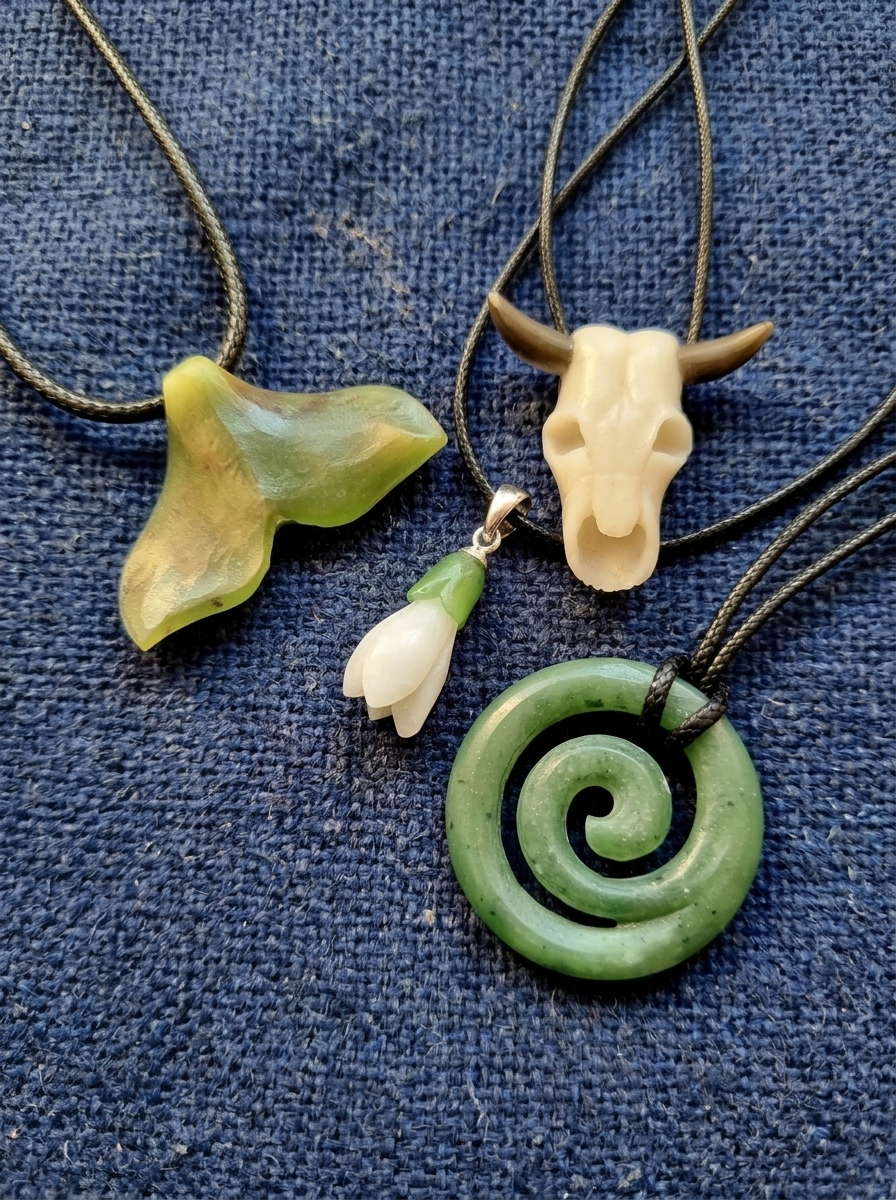
For those who appreciate the enduring beauty and expert craftsmanship that transforms raw geological marvels into objets d’art, much like the Orlov itself, a visit to stone-flower.com offers a glimpse into contemporary artistry, particularly with hand-carved nephrite jade, a testament to similar dedication to material and form.
The Orlov Diamond continues to captivate gemologists, historians, and enthusiasts alike. It represents a bygone era of diamond appreciation where size and historical narrative often outshone facets and fire. Its mere existence challenges modern notions of perfection, reminding us that true value often lies in uniqueness, provenance, and the rich tapestry of human history it embodies.
Frequently Asked Questions about the Orlov Diamond
What is the Orlov Diamond’s most distinctive feature?
The Orlov Diamond’s most distinctive feature is its massive 189.62-carat weight combined with its unique “Moghul cut.” This historic cutting style prioritizes weight retention from the original rough stone, resulting in a high crown, a large table, and relatively few facets, which gives it a distinct, broad flash of light rather than the intense sparkle of modern brilliant cuts.
How does the Orlov’s “Moghul cut” differ from modern diamond cuts?
The “Moghul cut” differs significantly from modern cuts (like the round brilliant) by prioritizing weight retention over brilliance. Modern cuts employ precise mathematical facet arrangements to maximize light return, fire, and scintillation. The Moghul cut, an ancient Indian style, features a deep pavilion, a high crown, and fewer, often asymmetrical facets, designed to preserve the rough diamond’s size. It results in a more subdued, majestic glow with broad flashes rather than sharp, fiery sparkle.
What is the current location of the Orlov Diamond?
The Orlov Diamond is currently housed within the Russian Diamond Fund, which is part of the Moscow Kremlin Armory in Russia. It remains a central exhibit in the collection of imperial treasures and is prominently displayed as part of the Imperial Sceptre of Russia.
Conclusion
The Orlov Diamond is more than just a magnificent gemstone; it is a monumental artifact of both natural and human history. Its journey from the ancient mines of Golconda, through the hands of potentates and merchants, to its current venerated position in the Imperial Sceptre of Russia, underscores the enduring power and mystique of diamonds. Its distinctive Moghul cut, a relic of early gem craftsmanship, offers a unique perspective on diamond aesthetics, reminding us that beauty comes in many forms, each with its own story and historical significance. The Orlov remains an unparalleled example of gemological majesty and an enduring symbol of imperial grandeur.