

The Pink Star: The 59.60-Carat Fancy Vivid Pink Diamond That Broke Auction Records
Some gemstones are valuable because they are rare. The Pink Star exists in a category beyond rarity. Weighing 59.60 carats and graded as Fancy Vivid Pink with internally flawless clarity, the Pink Star became the most expensive gemstone ever sold at auction, redefining the upper limits of diamond valuation and elite gem collecting.
Unlike colorless diamonds, whose beauty depends primarily on brilliance and clarity, pink diamonds derive their extraordinary worth from an exceptionally rare structural phenomenon inside the crystal lattice itself. In the case of the Pink Star, nature produced an almost impossible combination: massive size, saturated pink color, and near-perfect internal purity.
What Is the Pink Star Diamond?
The Pink Star is a 59.60-carat Fancy Vivid Pink diamond cut from a much larger rough crystal discovered in South Africa.
- Weight: 59.60 carats
- Color grade: Fancy Vivid Pink
- Clarity: Internally flawless
- Diamond type: Type IIa
- Shape: Oval mixed cut
Gemological insight: Type IIa diamonds are among the purest diamonds on Earth, containing extremely low nitrogen concentrations and exceptional optical transparency.
The Pink Star combines this chemical purity with one of the rarest color saturations ever documented in a diamond of its size.
Why Pink Diamonds Are So Rare
Unlike blue diamonds, which obtain color from boron impurities, pink diamonds derive their color from plastic deformation of the crystal lattice.
During diamond formation or tectonic stress events, the atomic structure becomes distorted, changing how light travels through the crystal.
This process causes:
- Selective absorption of green wavelengths
- Enhanced red and pink light reflection
- Directional color concentration
- Internal graining patterns
Advanced gemological insight: Pink coloration is not caused by trace elements but by structural defects known as lattice slip planes created during immense geological stress.
This makes natural pink diamonds exceptionally rare because the deformation must occur without destroying crystal transparency.
The Geological Origin of the Pink Star
The Pink Star formed deep within Earth’s mantle under pressures exceeding 50 kilobars and temperatures above 1,100°C.
After crystallization, tectonic forces altered the diamond’s internal atomic arrangement, creating its pink coloration.
Formation conditions included:
- Ultra-deep mantle crystallization
- Type IIa low-nitrogen environment
- Post-growth tectonic deformation
- Rapid kimberlite transport to surface
Geological trade secret: Most diamonds subjected to intense tectonic stress become fractured or opaque. The Pink Star survived deformation while maintaining exceptional clarity, which is extraordinarily uncommon.
From Rough Crystal to Masterpiece
The original rough diamond weighed approximately 132.5 carats before cutting and polishing.
Transforming the rough into the finished Pink Star required nearly two years of analysis and precision cutting.
Professional cutting considerations included:
- Preserving maximum color saturation
- Minimizing visibility of internal graining
- Optimizing brilliance without sacrificing hue
- Managing internal stress zones
Lapidary trade secret: Fancy color diamonds are cut primarily for color intensity rather than maximum brilliance. In pink diamonds, cutter orientation directly affects saturation visibility.
Even slight changes in facet alignment can dramatically alter face-up color appearance.
What “Fancy Vivid Pink” Really Means
The Gemological Institute of America (GIA) uses a highly specialized grading system for colored diamonds.
“Fancy Vivid Pink” represents the strongest and most saturated pink color category assigned to natural diamonds.
The grading evaluates:
- Hue intensity
- Tone balance
- Color distribution
- Saturation strength
Gemological insight: Only a microscopic percentage of pink diamonds achieve the “Fancy Vivid” designation, especially in stones exceeding one carat.
At nearly 60 carats, the Pink Star exists in an almost unmatched category.
Why the Pink Star Broke Auction Records
The Pink Star sold for more than $71 million at auction, becoming the most expensive gemstone ever sold publicly.
Its record-setting value came from several converging factors:
- Massive size for a pink diamond
- Internally flawless clarity
- Fancy Vivid Pink grading
- Type IIa chemical purity
- Exceptional provenance
Market insight: Large pink diamonds are exponentially rarer than colorless diamonds of similar size. Value increases non-linearly because supply becomes almost nonexistent at high carat weights.
Optical Performance and Structure
The Pink Star exhibits exceptional brilliance combined with highly saturated color.
- High refractive index (~2.42)
- Strong dispersion (“fire”)
- Excellent transparency
- Uniform pink saturation
Materials science insight: Type IIa diamonds transmit light with minimal interference because of extremely low impurity concentrations, enhancing transparency and brilliance.
This clarity allows the pink structural color to appear especially vivid.
Pink Diamonds vs Other Fancy Color Diamonds
- Blue diamonds: colored by boron impurities
- Yellow diamonds: colored by nitrogen absorption
- Green diamonds: colored by radiation exposure
- Pink diamonds: colored by lattice deformation
Scientific insight: Pink diamonds remain among the least fully understood fancy color diamonds because their coloration results from complex structural distortions rather than simple impurity chemistry.
The Decline of Pink Diamond Supply
The rarity of stones like the Pink Star has increased dramatically since the closure of Australia’s Argyle Mine, historically the world’s largest source of pink diamonds.
Industry insight: The global supply of natural pink diamonds is now extremely constrained, intensifying collector competition for high-quality stones.
Rare Diamonds vs Durable Carved Gemstones
While diamonds like the Pink Star are valued for rarity and investment significance, other gemstones are treasured for artistic carving and durability.
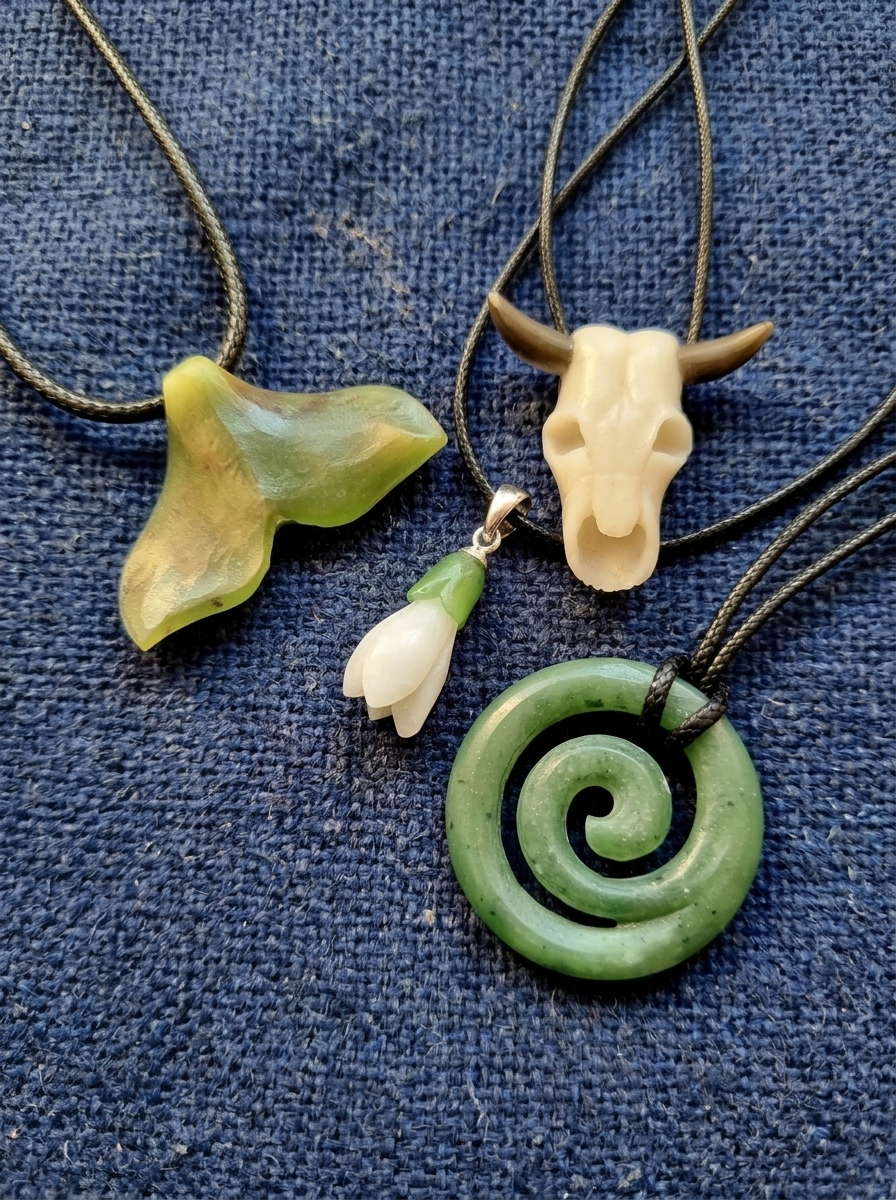
Nephrite jade, for example, has been used for centuries because of its interlocking fibrous structure and exceptional toughness.
Handcrafted nephrite jade pendants are available at stone-flower.com, offering natural gemstone artistry inspired by the beauty and complexity of Earth’s mineral world.
FAQ
Why is the Pink Star diamond so valuable?
Its enormous size, Fancy Vivid Pink color, internally flawless clarity, and Type IIa purity make it one of the rarest diamonds ever discovered.
What causes pink diamonds to be pink?
Pink coloration results from structural deformation within the diamond crystal lattice rather than chemical impurities.
What does “Fancy Vivid Pink” mean?
It is the highest GIA color saturation grade for pink diamonds, indicating exceptionally intense and pure pink coloration.