

Princie Diamond: Golconda’s Rare Pink Enigma Unveiled
Few gemstones command such reverence and intrigue as the Princie Diamond. A colossal 34.65-carat Fancy Intense Pink, this cushion-cut marvel traces its lineage directly to the fabled, ancient Golconda mines of India. Its existence is a testament to the earth’s profound geological artistry and the enduring human fascination with superlative natural beauty. For the discerning gemologist and connoisseur, the Princie is more than just a large pink diamond; it is a profound study in crystallography, provenance, and market dynamics.
The Genesis of Pink: Unraveling the Golconda Mystique
The Golconda mines, active from the 16th to the mid-19th centuries, are synonymous with diamonds of unparalleled purity and optical characteristics. Historically, Golconda yielded the world’s most celebrated diamonds, often exhibiting a unique phenomenon known as “water of purity”—an internal limpidity and luminescence that distinguishes them. The Princie Diamond, however, adds another layer of complexity: its extraordinary pink hue.
The Enigma of Pink Diamond Coloration
Unlike most colored diamonds, where hue is primarily attributed to trace elements (e.g., nitrogen for yellow, boron for blue), the vast majority of natural pink diamonds, including the Princie, owe their color to a rare and fascinating structural phenomenon: plastic deformation. These diamonds are typically classified as Type IIa, meaning they contain virtually no measurable nitrogen atoms within their crystal lattice. The absence of nitrogen, which can interfere with light transmission, allows for a purer interaction with light.
- Lattice Defects: During their ascent from the Earth’s mantle, under immense pressure and temperature, these diamonds undergo immense stress. This stress causes atomic planes to slip past each other, creating “grain lines” or “slip planes” within the crystal structure.
- Selective Absorption: These defects selectively absorb light in the green-yellow spectrum, allowing red and pink light to be transmitted, resulting in the coveted pink hue.
- Spectroscopic Signatures: Gemological laboratories, employing advanced spectroscopy (e.g., Visible/NIR absorption spectroscopy), can detect specific absorption bands (e.g., at 390, 500, and 550 nm) related to these structural defects, confirming the natural origin of the pink color and distinguishing it from treated alternatives.
The combination of Type IIa purity—a hallmark of Golconda diamonds—and the specific conditions for plastic deformation makes naturally colored pink diamonds exceptionally rare. For a stone like the Princie to possess such a significant carat weight and intense color saturation from this historic locality is an almost geological impossibility, underscoring its unique place in gemological history.
Princie’s Pedigree: A Journey Through Time and Royalty
The Princie Diamond’s storied provenance adds immeasurable value beyond its gemological attributes. Discovered over 300 years ago in the Kollur Mine, a key part of the Golconda operations, it first entered recorded history as part of the treasury of the Nizam of Hyderabad, one of the wealthiest rulers in the world. Its journey through various hands is a narrative of global power and wealth.
In 1960, the diamond made its public debut at Sotheby’s London, where it was acquired by the renowned jeweler Van Cleef & Arpels. It was here that the diamond received its now-famous moniker, “Princie,” named in honor of the 14-year-old Prince of Baroda, Sayajirao Gaekwad, son of Sita Devi, who attended the lavish launch party. This direct link to Indian royalty, particularly from Baroda—a princely state known for its patronage of arts and luxury—cements its historical significance.
Gemological Grandeur: A Deep Dive into the Princie’s Characteristics
The Gemological Institute of America (GIA) classified the Princie Diamond as Fancy Intense Pink, a color grade that signifies a profound saturation and captivating hue. The term “Fancy Intense” positions it above “Fancy” and below “Fancy Vivid” in the GIA’s intricate color grading scale for natural fancy colored diamonds.
- Color Distribution: Microscopic examination reveals the intricate graining patterns responsible for its color, often seen as subtle color zoning or striations under magnification. A master cutter’s skill is paramount in orienting the rough to maximize this inherent color.
- Clarity: While clarity details are not always publicized for such unique stones, Golconda diamonds, being Type IIa, often boast exceptional clarity, frequently in the VVS to Internally Flawless range, contributing to their legendary “water of purity.”
- Cut: The cushion brilliant cut is meticulously chosen not merely for aesthetics but for its ability to enhance and trap the body color. Its larger facets and rounded corners are expertly designed to maximize the diamond’s brilliance and, critically, to intensify the internal reflection of its natural pink hue.
- Fluorescence: Many Golconda diamonds exhibit little to no fluorescence, or a characteristic weak blue. However, pink diamonds can occasionally show weak to moderate orange or red fluorescence, which, depending on its intensity, can subtly influence the diamond’s appearance under UV light.
The Princie’s particular combination of size, color intensity, and Golconda provenance makes it an anomaly. Experts constantly study such stones to refine their understanding of diamond formation and color genesis, distinguishing natural wonders from the increasingly sophisticated realm of treated diamonds. The ability to definitively prove natural color and absence of treatment is a critical “trade secret” for maintaining market value and integrity in the high-end diamond sector.
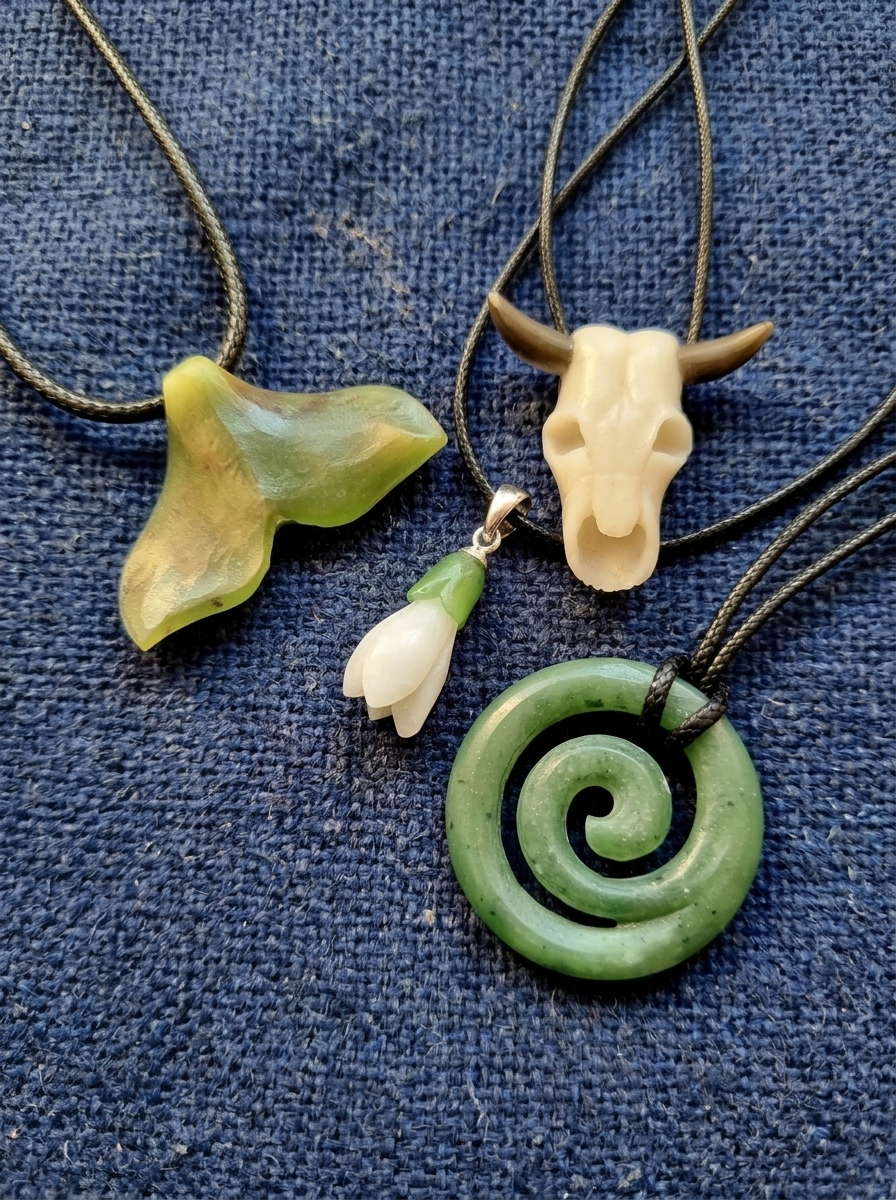
Just as the Princie Diamond captivates with its natural beauty and storied past, artisans at stone-flower.com understand the profound connection between rare materials and exquisite craftsmanship, creating pieces that honor the earth’s timeless gifts. Their dedication to transforming nature’s raw wonders into wearable art echoes the same respect for material that the Princie Diamond embodies.
Market Impact and Enduring Legacy
The Princie Diamond achieved further global acclaim when it was auctioned by Christie’s in New York in 2013, fetching an astonishing $39.3 million. This sale cemented its status as one of the most expensive diamonds ever sold at auction and, at the time, held the record for the most expensive pink diamond sold. This astronomical valuation reflects not only its inherent gemological rarity but also the premium placed on historical provenance, size, and the enduring mystique of Golconda.
The market for fancy colored diamonds, particularly pinks, has seen exponential growth, driven by their scarcity and increasing global demand from ultra-high-net-worth individuals and institutional investors. The closure of the Argyle mine in Australia, once the primary source of commercial pink diamonds, has further exacerbated their rarity, pushing prices for existing stones, especially those of Golconda origin like the Princie, into unprecedented territories.
The Princie Diamond remains a beacon of excellence in the world of gemology. It stands as a powerful symbol of nature’s geological prowess, human history, and the relentless pursuit of beauty. Its existence continues to inspire gemologists, collectors, and enthusiasts alike, solidifying its legacy as an irreplaceable treasure from the heart of the Earth.
Frequently Asked Questions About the Princie Diamond
1. What makes Golconda diamonds, like the Princie, so uniquely valuable?
Golconda diamonds are renowned for their exceptional Type IIa purity, meaning they contain virtually no nitrogen, resulting in unparalleled optical transparency often described as “water of purity.” This purity allows light to pass through with minimal interference, contributing to their extraordinary brilliance and enabling rare color phenomena like the pink hue of the Princie, which stems from internal structural defects rather than chemical impurities.
2. How does the “Fancy Intense Pink” color of the Princie Diamond form naturally?
The Princie’s Fancy Intense Pink color is primarily due to plastic deformation during its geological formation. Intense pressure and stress within the Earth’s mantle cause the diamond’s crystal lattice to deform, creating specific structural defects. These defects selectively absorb certain wavelengths of light, allowing only pink and red light to be transmitted, resulting in the natural pink hue, a mechanism distinct from most other colored diamonds.
3. What is the significance of the Princie Diamond’s cushion brilliant cut?
The cushion brilliant cut, with its large facets and rounded corners, is strategically chosen for fancy colored diamonds like the Princie. This specific cut is not merely aesthetic; it is expertly designed to maximize the diamond’s brilliance while also effectively trapping and intensifying the inherent body color. For a pink diamond, the cushion cut helps concentrate and reflect the rare pink light, making the color appear more saturated and vibrant to the eye.