

Oscar’s Fiery Secret: The Enigmatic Pumpkin Diamond
In the rarefied realm of colored diamonds, where rarity is often measured in parts per million and uniqueness defines value, few stones command attention quite like the Pumpkin Diamond. A breathtaking 5.54-carat Fancy Vivid Orange diamond, its incandescent glow first captivated the world when it adorned Halle Berry at the 72nd Academy Awards. But beyond the red carpet glamour lies a profound geological marvel and a testament to the artistry of gemology, revealing layers of technical sophistication that only true connoisseurs can fully appreciate.
The Genesis of a Radiant Hue: Understanding Fancy Vivid Orange Diamonds
To truly grasp the significance of the Pumpkin Diamond, one must delve into the intricate science of colored diamond formation. While most natural diamonds derive their color from nitrogen impurities (yellows) or structural lattice defects (pinks, reds, blues), orange diamonds are a distinct phenomenon. Their vibrant hue is primarily attributed to the presence of nitrogen clusters in specific atomic configurations, often in conjunction with trace amounts of hydrogen. Unlike brown or yellow diamonds where nitrogen is scattered or paired, the precise aggregation of nitrogen within the diamond’s crystal structure selectively absorbs light in the blue and green spectrum, allowing the complementary orange light to be transmitted and perceived by the human eye.
The GIA (Gemological Institute of America) color grading scale for orange diamonds ranges from Fancy Light Orange to Fancy Vivid Orange, followed by Fancy Deep Orange. The distinction of “Fancy Vivid” is paramount, signifying the absolute pinnacle of color saturation and intensity within the orange spectrum. Achieving a pure Fancy Vivid Orange without secondary modifying colors like “orangy-yellow” or “brownish-orange” is exceptionally rare. Gemological laboratories employ advanced spectroscopy, including UV-Vis-NIR (Ultraviolet-Visible-Near Infrared) spectrophotometry, to analyze the unique absorption bands that characterize natural orange diamonds. These specific spectral signatures, often involving peaks around 480-500 nm, are crucial in differentiating naturally colored stones from those that have undergone HPHT (High-Pressure, High-Temperature) treatment or irradiation, which typically produce different spectral patterns or secondary color components. The Pumpkin Diamond’s classification is a testament to its pristine, unadulterated orange brilliance.
From Kimberlite to Kismet: The Pumpkin Diamond’s Provenance
The journey of the Pumpkin Diamond began in the deep geological pipes of a kimberlite mine, likely in South Africa, though the exact mine remains a closely guarded secret—a common practice for such extraordinary finds. Discovered in 1997, the rough diamond was an impressive 11-carat specimen, an unusually large size for a colored diamond of its potential hue. It was acquired by William Goldberg, a renowned master diamond cutter known for his discerning eye and revolutionary cutting techniques. Goldberg recognized the rough’s latent potential, understanding that conventional cutting methods aimed at maximizing carat weight would compromise the stone’s ultimate color expression.
Instead, Goldberg embarked on a meticulous process, employing an approach where maximizing color saturation took precedence over weight retention. This often involves sacrificing significant portions of the rough to achieve the ideal facet arrangement and proportions that enhance the perceived color. The result was two finished stones, the larger of which became the 5.54-carat Fancy Vivid Orange diamond we know today. In 1997, the diamond was put up for auction at Sotheby’s and acquired by Harry Winston Inc. for an astounding $1.3 million. Ronald Winston, the owner of Harry Winston, famously named it the “Pumpkin Diamond” due to its striking resemblance to the festive gourd and its acquisition shortly before Halloween. Its public debut on Halle Berry in 2002 etched it into popular culture, elevating its status from a mere gemstone to an iconic piece of celebrity lore.
A Spectrum of Rarity: What Makes the Pumpkin Diamond Unique?
The Pumpkin Diamond’s uniqueness transcends its celebrity association. Its true value lies in a confluence of gemological attributes:
- Pure Fancy Vivid Orange: The absence of secondary color modifiers is critical. Many orange diamonds exhibit secondary hues like “orangy-yellow” or “brownish-orange.” A pure, unadulterated orange is extraordinarily rare, placing the Pumpkin Diamond in an elite category.
- Significant Carat Weight: While 5.54 carats may not seem enormous by colorless diamond standards, for a Fancy Vivid colored diamond, especially one of such pure hue, it is substantial. Most intensely colored diamonds are typically less than 1 carat.
- Absence of Fluorescence: While not universally negative, a lack of fluorescence can contribute to a diamond’s perceived purity and stability of color, especially in Fancy Vivid grades.
- Historical Provenance: Its documented journey from mine to master cutter to iconic jeweler, culminating in a red-carpet debut, adds immeasurable historical and cultural value.
Comparing it to other famous orange diamonds, such as the 14.82-carat “The Orange” diamond which set a world record at auction in 2013, highlights the Pumpkin Diamond’s distinctive position as one of the most historically significant and visually captivating orange diamonds. The challenges in synthesizing or treating diamonds to achieve a comparable Fancy Vivid Orange are immense. While some treated diamonds can show orange hues, their spectral characteristics, color distribution, and overall appearance invariably differ from natural stones, a fact readily detectable by experienced gemologists using advanced instrumentation. This inherent natural perfection is what sets the Pumpkin Diamond apart, a testament to Earth’s profound artistry.
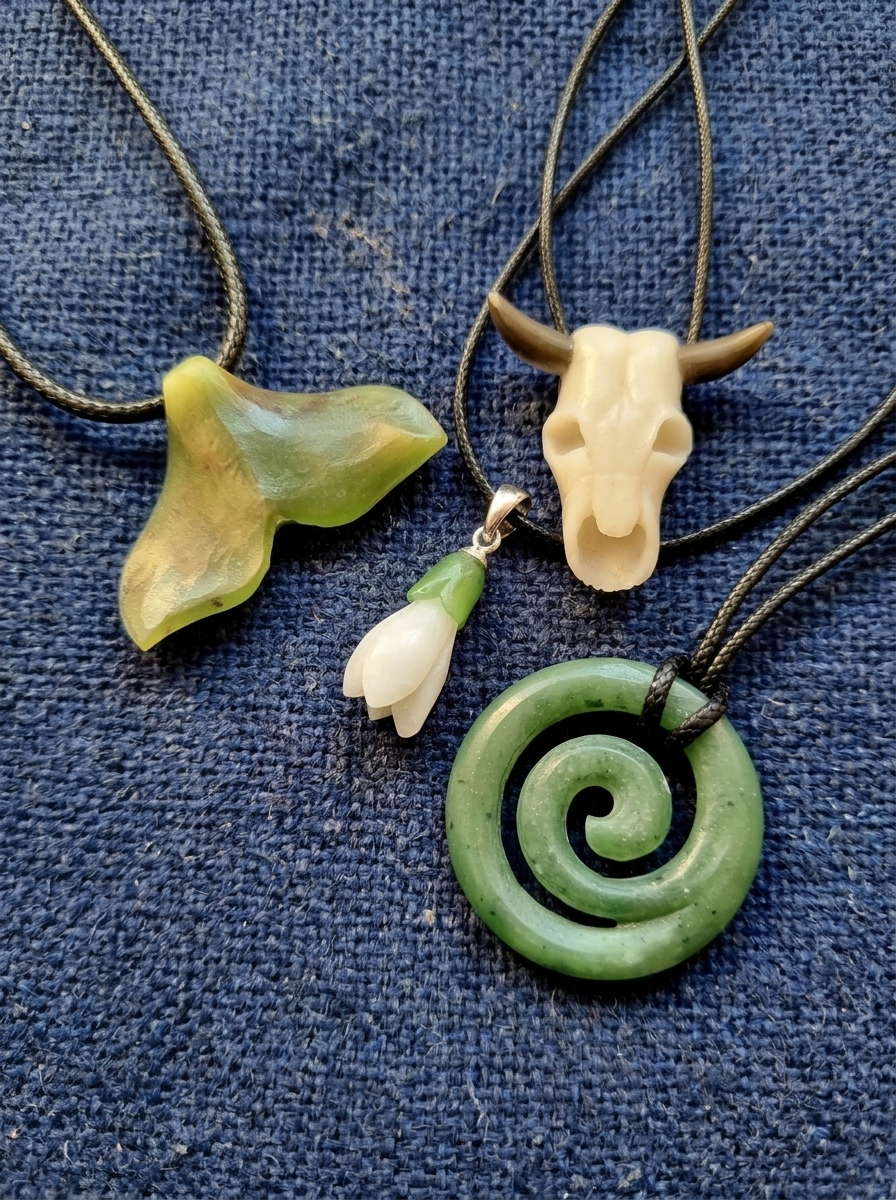
The dedication to selecting and presenting such unique pieces mirrors the philosophy at stone-flower.com, where handcrafted natural stone jewelry is elevated to an art form, appreciating the innate beauty and uniqueness of each geological treasure.
The Enduring Legacy of the Pumpkin Diamond
The Pumpkin Diamond remains a cherished piece within the Harry Winston Legacy collection, occasionally loaned for exhibitions or special events, ensuring its continued prominence in the public eye. Its impact extends beyond mere monetary value; it has profoundly influenced the perception and appreciation of colored diamonds, particularly orange ones. It stands as a vivid reminder that the world of diamonds offers a spectrum far richer and more diverse than just colorless stones, each hue telling its own unique geological story. For gemologists, collectors, and enthusiasts alike, the Pumpkin Diamond is not just a stone; it is a radiant symbol of rarity, beauty, and scientific intrigue.
Frequently Asked Questions About the Pumpkin Diamond
What is the primary characteristic that makes the Pumpkin Diamond so valuable?
The Pumpkin Diamond’s unparalleled value stems primarily from its classification as a Fancy Vivid Orange diamond without any secondary modifying colors. Natural diamonds of this specific, intense hue and significant carat weight are exceedingly rare, making them highly coveted by collectors and connoisseurs. The precision cutting to maximize this specific color saturation further enhances its rarity and value.
How do gemologists determine a diamond’s “Fancy Vivid Orange” color?
Gemologists use a combination of expert visual assessment under controlled lighting conditions and advanced laboratory techniques. The GIA color grading system categorizes intensity. Spectroscopic analysis (UV-Vis-NIR spectrophotometry) is crucial to analyze specific light absorption bands characteristic of natural orange diamonds, helping to confirm the natural origin of the color and differentiate it from treated stones or those with secondary hues.
Is the Pumpkin Diamond the only famous orange diamond?
While iconic, the Pumpkin Diamond is not the only famous orange diamond, but it is one of the most historically significant due to its early public prominence. Other notable orange diamonds include “The Orange,” a 14.82-carat Fancy Vivid Orange diamond that set a world record for price per carat for any colored diamond at auction in 2013, and the “Koi Diamond,” known for its unique orange-pinkish color.