

The Queen’s Burmese Ruby Tiara: A Gemological Deep Dive into Royal Protection
Step into a world where regal splendor intertwines with ancient beliefs and profound gemological science. The Queen’s Burmese Ruby Tiara is not merely a breathtaking display of wealth and craftsmanship; it’s a testament to the enduring power attributed to precious stones, specifically 96 rubies believed to shield the wearer from illness. Beyond its visual majesty, this tiara encapsulates centuries of geological history, cultural significance, and the meticulous art of jewelry making. This article delves into the intricate details of this iconic piece, exploring the unique characteristics of its Burmese rubies and the technical nuances that elevate them beyond mere adornment.
The Luminous Heart of Burma: Understanding Mogok Rubies
The heart of the Queen’s tiara beats with 96 rubies, predominantly sourced from Myanmar’s legendary Mogok Valley – a name synonymous with the world’s finest corundum. These are not just any rubies; Mogok rubies are celebrated for their unparalleled “pigeon’s blood” hue, a vivid, saturated red with a subtle purplish undertone. This specific color profile is largely due to a precise concentration of chromium (Cr³⁺) as the chromophore within the aluminum oxide (Al₂O₃) crystal lattice, combined with low iron content.
Geologically, Mogok rubies are typically formed in marble-hosted deposits, a metamorphic environment distinct from the basalt-hosted rubies found in regions like Thailand or Cambodia. This marble genesis contributes to their characteristic inclusions, such as fine rutile needles (silk), calcite crystals, and delicate negative crystals, which, when properly oriented, can create a desirable asterism or chatoyancy, though often dispersed in facet-grade material. Furthermore, Burmese rubies frequently exhibit strong red fluorescence under ultraviolet light, a property enhanced by the marble-rich geology and low iron content. This internal glow contributes significantly to their vibrant, almost “alive” appearance, making them appear brilliant even in dim lighting—a quality highly prized in the gem trade. The absence of heavy iron, which typically quenches fluorescence in other rubies, is a key indicator of their superior origin.
Crafting a Royal Aegis: The Tiara’s Design and Symbolism
Commissioned by Queen Elizabeth II in 1973, the Burmese Ruby Tiara was a bespoke creation by Garrard & Co., Royal Jewellers since 1843. Its design incorporates a rose motif, symbolizing England, with the “petals” and “leaves” formed by diamonds, providing a delicate contrast to the vibrant red rubies. The tiara’s frame is believed to be platinum or white gold, chosen for its strength and ability to enhance the brilliance of the diamonds without casting a yellow tint.
The 96 rubies themselves were a deeply personal gift to the Queen upon her marriage in 1947 from the people of Burma (now Myanmar), intended to protect the wearer from the 96 diseases that, according to ancient Burmese belief, could afflict the human body. This belief is rooted in the ruby’s historical association with blood, vitality, and life force across numerous cultures. Rubies have long been considered talismans against ill health, evil spirits, and misfortune. The choice to incorporate precisely 96 rubies into the tiara was therefore a powerful symbolic gesture, transforming a stunning piece of jewelry into a potent, personalized amulet of wellbeing for the monarch. The sheer number of uniform, high-quality Burmese rubies required for such a piece underscores both the generosity of the gift and the rarity of these precious stones.
Beyond the Sparkle: Unveiling Ruby Quality and Authenticity
For a piece of such royal significance, the quality and authenticity of its rubies are paramount. In the world of high-value rubies, understanding treatments is critical. While heat treatment is widely accepted and common for rubies, improving color and clarity by dissolving rutile silk and reducing purplish overtones, its impact on value is generally less severe than other treatments. However, the presence of untreated rubies with exceptional color and clarity, especially from Mogok, commands a significant premium, often orders of magnitude higher.
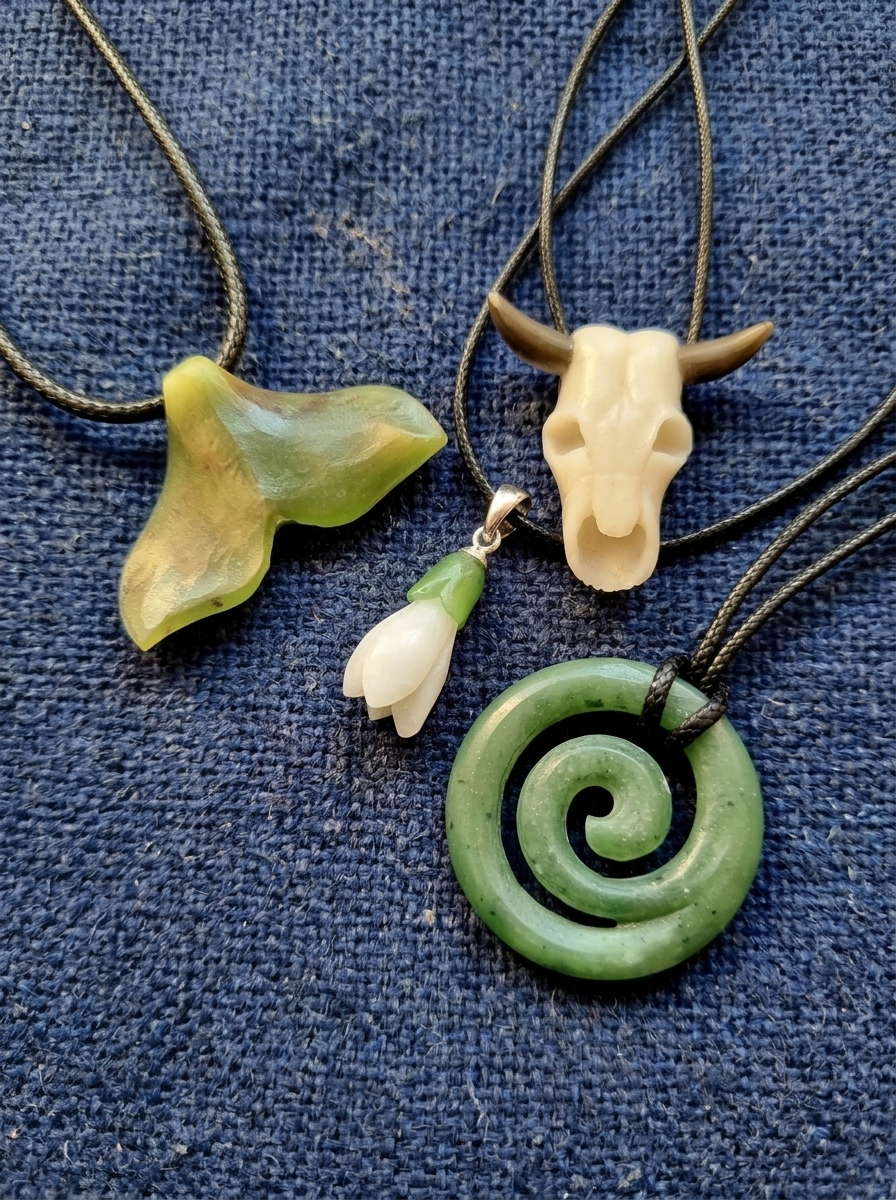
A critical “trade secret” for gemologists is distinguishing naturally occurring fractures and inclusions from those introduced by modern, less stable treatments. The most notorious of these is lead-glass filling, a process where fractures and cavities in low-quality corundum are filled with a lead-glass composite to improve transparency and color dramatically. Rubies treated this way are far less valuable and durable, often displaying a tell-tale “flash effect” or gas bubbles under magnification due to the difference in refractive index between the ruby and the glass. Crucially, such treatments would be unthinkable for a royal commission of this caliber. The rubies in the Queen’s tiara would have been meticulously selected for their natural beauty, or, at most, subjected to traditional heat treatment, ensuring their enduring value and structural integrity. A discerning gemologist examines internal features like natural growth zoning, characteristic inclusions, and the absence of foreign substances to authenticate origin and treatment status, a process foundational to establishing the true worth of such gems, similar to the artisanal care found in other exquisite pieces, such as those at stone-flower.com.
The Enduring Legacy of a Regal Gem
The Queen’s Burmese Ruby Tiara stands as a beacon of royal patronage, gemological excellence, and deeply embedded cultural belief. Its 96 rubies, vibrant and profound, tell a story not just of geological wonder but of a nation’s heartfelt wish for its monarch’s health and longevity. Each ruby, a piece of Earth’s history, continues to captivate onlookers, sparking discussions about their origin, their legendary protective properties, and their immutable place in the annals of royal jewels. This tiara remains a powerful emblem of tradition, beauty, and the unseen forces believed to reside within the heart of precious stones.
Frequently Asked Questions (FAQ)
Q1: What makes Burmese rubies so special compared to other rubies?
A1: Burmese rubies, particularly from Mogok, are renowned for their “pigeon’s blood” color (vivid red with a hint of purple), strong red fluorescence, and formation in marble-hosted deposits, resulting in specific inclusions and low iron content, enhancing their vibrant appearance and rarity.
Q2: How does the “96 rubies for 96 diseases” belief originate?
A2: This belief stems from ancient Burmese folklore, where rubies were considered powerful talismans capable of warding off various ailments and protecting the wearer from misfortune, aligning with the 96 perceived diseases that could afflict humans.
Q3: Are the rubies in the Queen’s tiara treated?
A3: While natural rubies often undergo traditional heat treatment to enhance color and clarity, it’s highly unlikely that the Queen’s rubies have undergone invasive, value-diminishing treatments like lead-glass filling. Their royal provenance ensures they are of the highest natural quality, possibly unheated or minimally heated.