

The Sancy Diamond: A 55.23-Carat Echo of European Power and Ancient Craftsmanship
Few diamonds in history command the intrigue and veneration of the Sancy. This legendary 55.23-carat pale yellow diamond, with its distinctive shield cut, is not merely a gemstone but a chronicle in carats, echoing centuries of European ambition, conflict, and artistic mastery. Far from the symmetrical brilliance of modern cuts, the Sancy stands as a testament to early gemological ingenuity, offering a unique window into the evolution of diamond cutting and the historical appreciation of unique material over standardized perfection.
Gemological Deep Dive: Unpacking the Sancy’s Distinctive Characteristics
To truly appreciate the Sancy, one must delve beyond its legendary history and examine its intrinsic gemological properties and the technical nuances of its formation and cutting.
The Pale Yellow Hue: A Signature of Nitrogen
The Sancy’s “pale yellow” color is a critical identifier. In gemology, yellow in diamonds is predominantly caused by the presence of nitrogen impurities within the carbon lattice. Most natural diamonds (Type Ia) contain nitrogen atoms clustered in various configurations. The specific shade of yellow, from very light to fancy vivid, is determined by the concentration and arrangement of these nitrogen aggregates. A “pale yellow” typically suggests a lower concentration or specific arrangement that doesn’t produce an intense hue but still imparts a discernible tint. Historically, such diamonds were highly prized, often associated with the sun or gold, contrasting sharply with modern preferences for colorless stones or intensely saturated fancy colors. This natural coloration likely places the Sancy in the Type Ia category, common for large historic diamonds of Indian origin.
The Shield Cut: A Glimpse into Proto-Brilliant Mastery
The most striking technical feature of the Sancy is its unique “shield cut.” This is not a standardized cut taught in modern gemology courses, but rather a sophisticated evolution of earlier “table cuts” and “point cuts” prevalent in 15th and 16th-century India and Europe. The term “shield cut” perfectly describes its elongated, somewhat irregular pentagonal or heptagonal shape, often featuring a keel-line pavilion rather than a pointed culet. It is essentially a modified pear or briolette-like form, but with a flattened top and typically 5-7 main facets on the pavilion and crown. This cut demonstrates:
- Weight Retention Priority: Before the advent of precision cutting tools and sophisticated optics, the primary goal was often to retain as much of the original rough as possible, maximizing carat weight over optical performance. The shield cut allowed for this, adapting to the natural morphology of an irregular diamond crystal.
- Early Faceting Skills: Achieving any form of symmetry and polished facets on a diamond, the hardest known material, required immense skill and labor with rudimentary tools – typically using diamond dust on a scaife (polishing wheel). The Sancy’s 32 crown and 24 pavilion facets, for a total of 56 facets, showcase an advanced level of craftsmanship for its era, far beyond the simpler table cuts.
- Optical Performance: Unlike modern brilliant cuts designed for maximum fire and brilliance through total internal reflection, antique cuts like the Sancy’s prioritize a broad, glassy sheen and flashes of light, often described as “lively” rather than “fiery.” The large table and fewer, broader facets create expansive pools of light and dark, highlighting the stone’s body color and intrinsic clarity rather than dispersed rainbow flashes. The precise angles were not mathematically optimized but empirically determined by the cutter’s eye, resulting in a unique play of light.
Probable Golconda Provenance: The Cradle of Giants
While definitive geological provenance is challenging for ancient diamonds, the Sancy’s age, size, and likely historical trajectory point overwhelmingly to the legendary mines of Golconda, India. Golconda was not a mine itself but a fort city and a market hub for diamonds extracted from alluvial deposits in the Kollur Mine and other regions of the Deccan Plateau. These mines famously produced Type IIa diamonds (like the Koh-i-Noor) and Type Ia diamonds (like the Sancy) known for their exceptional size and quality. The Sancy’s characteristics align perfectly with stones from this celebrated source, which supplied the world’s finest diamonds until the discovery of Brazilian mines in the 18th century.
A Journey Through Power: The Sancy’s Storied Past
The Sancy Diamond’s history is as multifaceted as its cut, weaving through the hands of kings, queens, and emperors, often disappearing and reappearing at pivotal moments in European history.
- Nicolas de Harlay, Seigneur de Sancy (Late 16th Century): The diamond first enters recorded history in the possession of Nicolas de Harlay, a French diplomat and financier, who purchased it during his time as Ambassador to Turkey. He famously lent it to King Henry III and later Henry IV of France. Legend states that one of Sancy’s loyal servants, transporting the diamond, swallowed it to prevent it from falling into enemy hands.
- French Crown Jewels (17th Century): It became a treasured part of the French Crown Jewels under Henry IV, and later Louis XIV, symbolizing the absolute power of the Bourbon monarchy.
- The French Revolution (1792): During the tumultuous French Revolution, the Sancy, along with other priceless jewels like the Regent Diamond, was stolen from the royal treasury. Unlike many, it eventually resurfaced.
- Prince Anatoly Demidov (19th Century): After its recovery, the Sancy found its way to Russian royalty, eventually into the hands of the wealthy Prince Demidov.
- The Astor Family (Early 20th Century): In 1906, William Waldorf Astor, an American millionaire and British peer, purchased the Sancy for a substantial sum, keeping it within his family for nearly 70 years.
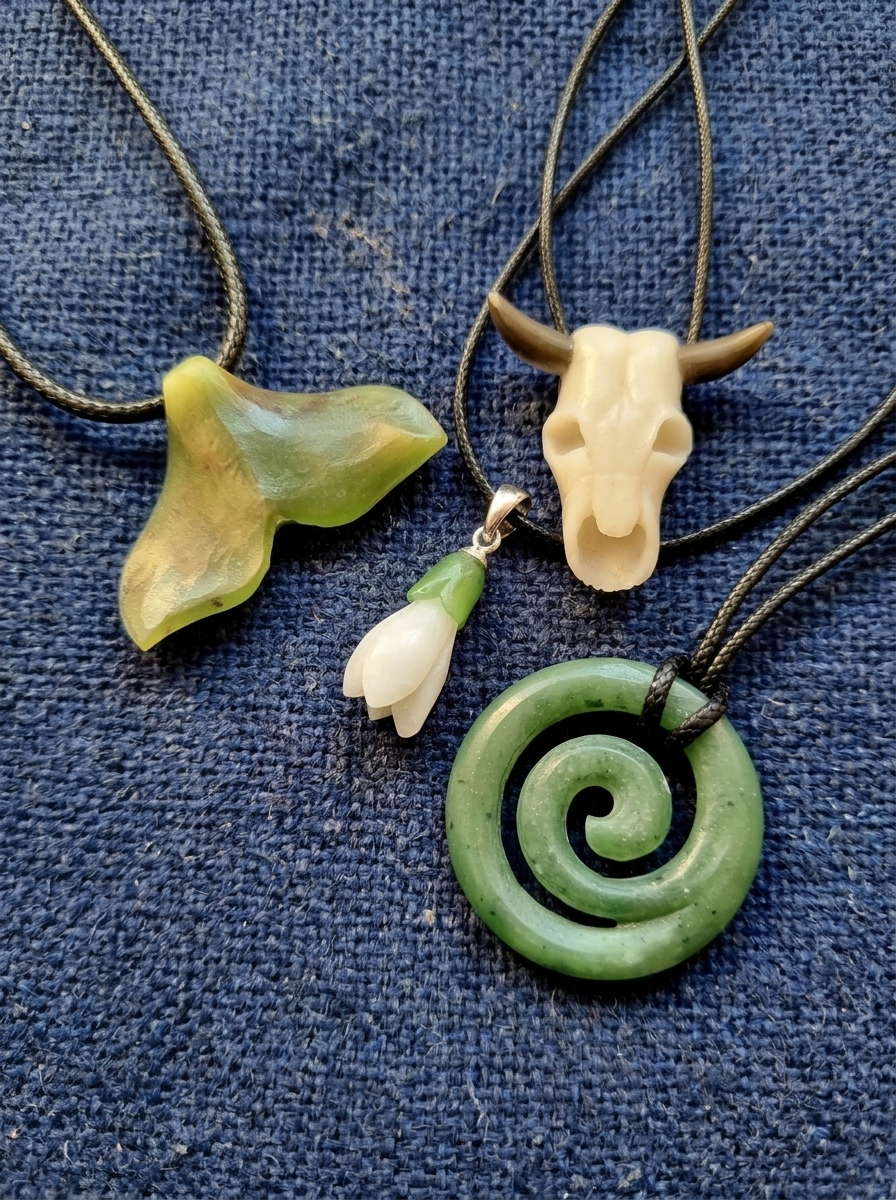
While the Sancy Diamond represents the pinnacle of historical diamond artistry, the spirit of intricate hand-carved beauty continues today. For those who appreciate the meticulous detail in natural materials, exploring collections like those at stone-flower.com offers a glimpse into contemporary craftsmanship, particularly in unique pieces such as nephrite jade. The enduring allure of carefully shaped and polished natural stones bridges millennia, connecting the ancient traditions of master cutters with modern artisanal endeavors.
The Sancy Today: A National Treasure at the Louvre
In 1978, the Sancy Diamond was acquired by the French state and now resides as a permanent exhibit in the Apollo Gallery of the Louvre Museum in Paris. It stands alongside other iconic jewels, a silent witness to a past when diamonds were not just symbols of wealth but active participants in the grand narrative of nations.
Its enduring presence in the Louvre solidifies its status not merely as a valuable gem but as a cultural artifact of immense importance. It serves as a physical link to French monarchs, a testament to the gemological capabilities of a bygone era, and a source of endless fascination for gemologists, historians, and admirers of beauty alike. The Sancy is a profound reminder that some treasures transcend monetary value, becoming priceless chapters in the human story.
Frequently Asked Questions About the Sancy Diamond
Here are some common questions about this magnificent historical diamond:
- Q1: What is the Sancy Diamond?
The Sancy Diamond is a historic, pale yellow, 55.23-carat diamond renowned for its unique shield cut and rich history, having been owned by European royalty and aristocrats for centuries. - Q2: Where is the Sancy Diamond today?
Today, the Sancy Diamond is a prized exhibit in the Apollo Gallery of the Louvre Museum in Paris, France, where it is part of the French Crown Jewels collection. - Q3: What makes the Sancy Diamond’s cut unique?
Its “shield cut” is unique because it’s an antique, modified pear or briolette-like form with a flattened top and multiple facets, predating modern brilliant cuts. It reflects the early focus on weight retention and showcases historical faceting techniques that aimed for broad flashes of light rather than intense fire.