

The Steinmetz Pink: A 59.6-Carat Fancy Vivid Pink Diamond of Unparalleled Color Saturation
The world of gemology often surprises, but rarely does it present a phenomenon as profoundly captivating as the Steinmetz Pink. This isn’t merely a large pink diamond; it is a geological marvel, a triumph of lapidary artistry, and a testament to nature’s rarest expressions. At 59.60 carats, certified as Internally Flawless (IF) and graded by the Gemological Institute of America (GIA) as Fancy Vivid Pink, its status is not just rare – it is virtually unique, representing the pinnacle of saturation and purity in the realm of colored diamonds.
The Enigma of Pink Diamonds: A Gemological Rarity
Unlike their colorless counterparts, whose value is primarily derived from the “4 Cs” (Carat, Color, Clarity, Cut) with color being the absence of it, fancy colored diamonds celebrate the very presence of hue. For pink diamonds, the origin of color is particularly fascinating and still debated, but the prevailing theory points not to trace elements like nitrogen (which causes yellow hues) or boron (blue), but to **plastic deformation**. This refers to a phenomenon where the diamond’s crystal lattice experiences immense stress and structural irregularities deep within the Earth’s mantle. These specific lattice distortions absorb certain wavelengths of light, allowing only the pink spectrum to be reflected.
Crucially, virtually all significant natural pink diamonds belong to the **Type IIa classification**. This means they are almost entirely devoid of nitrogen impurities, making them exceptionally chemically pure. While Type I diamonds (containing nitrogen) are common, Type IIa diamonds constitute less than 2% of all gem-quality diamonds. Within this elite group, those exhibiting natural pink coloration due to lattice deformation are exponentially rarer, making the discovery of rough material for stones like the Steinmetz Pink akin to finding a needle in a cosmic haystack.
Unpacking “Fancy Vivid Pink”: The Apex of Color Saturation
GIA’s fancy color grading system is a highly nuanced scale designed to capture the intensity, tone, and hue of a diamond’s color. It progresses from Faint, Very Light, Light, Fancy Light, Fancy, Fancy Intense, Fancy Vivid, Fancy Deep, to Fancy Dark. To achieve a “Fancy Vivid” designation, a diamond must display an extraordinary level of **color saturation** and optimal **tone** that appears exceptionally strong and pure, without being overly dark or light.
For pink diamonds, “Fancy Vivid” signifies a hue that explodes with color, a profound and vibrant expression that is truly arresting. This is not simply a subtle blush, but a potent, deeply ingrained pink that permeates every facet. Achieving this grade is so difficult because many pink diamonds tend to have a secondary modifying color (e.g., purplish-pink, brownish-pink), or their saturation might not reach the “Vivid” threshold, settling instead at “Intense” or “Fancy.” The Steinmetz Pink’s pure Fancy Vivid Pink classification, with no secondary modifying hue detected, further elevates its status, placing it in an almost unattainable echelon of color purity.
The Steinmetz Pink: A Masterpiece of Nature and Craftsmanship
The journey of the Steinmetz Pink began in 1999, unearthed from the De Beers’ Premier Mine (now Cullinan Mine) in South Africa, weighing a staggering 100.10 carats in its rough state. This behemoth of a crystal presented an unprecedented challenge to the world’s most skilled master cutters. It took a dedicated team of eight craftsmen an arduous 20 months to analyze, plan, and execute the intricate transformation from rough stone to its polished glory.
The initial task involved microscopic inspection, advanced scanning, and 3D modeling to determine the optimal cutting strategy. The goal for a fancy colored diamond is distinctly different from a colorless one: the cut must prioritize maximizing the *color* rather than brilliance alone. This often means sacrificing carat weight and sometimes even symmetry or proportions that would be considered ideal for a D-color flawless stone. For the Steinmetz, the decision was made to craft it into a **Mixed Brilliant Oval** cut, a highly complex shape designed to enhance and concentrate the diamond’s inherent pink color saturation and brilliance. Every facet was meticulously placed to refract light in such a way that it brought the internal body color to its zenith. The eventual yield was 59.60 carats, a significant reduction from its rough weight, but a testament to the commitment to achieving absolute color perfection and an **Internally Flawless (IF)** clarity grade.
The Anatomy of Value: What Makes It Priceless?
The rarity of the Steinmetz Pink can hardly be overstated. Consider these factors:
- Size: At nearly 60 carats, it is the largest Fancy Vivid Pink diamond ever graded by the GIA.
- Color: Pure Fancy Vivid Pink, free from secondary hues, is the apex of the color scale.
- Clarity: Internally Flawless means no inclusions are visible under 10x magnification, an extraordinary feat for any diamond, let alone a colored one of this size.
- Provenance: Its origin from a renowned mine and its documented journey add to its historical significance.
- Cutting Expertise: The sheer technical skill required to unlock such color and clarity from the rough stone.
Initially unveiled in 2003 and later renamed the Pink Star, this diamond shattered records. In 2017, it fetched an astounding $71.2 million at Sotheby’s Hong Kong, solidifying its place as the most expensive diamond ever sold at auction at that time. Its value transcends mere carats; it represents the convergence of geological rarity, scientific understanding, and human artistry.
Gemological Insights and Trade Secrets
For those working with precious gemstones, understanding the nuances of color optimization is paramount. When cutting a fancy colored diamond, the lapidary’s primary directive is to create internal reflections that intensify the body color. This often involves strategic facet angles and proportions that might be considered “poor” for a colorless diamond aiming for maximum fire and brilliance. For a pink, a slightly deeper pavilion or a particular table size can act as a “color window,” deepening the perceived hue. The **Mixed Brilliant cut** chosen for the Steinmetz Pink is a masterful blend, maximizing both the vividness of its pink and its inherent sparkle.
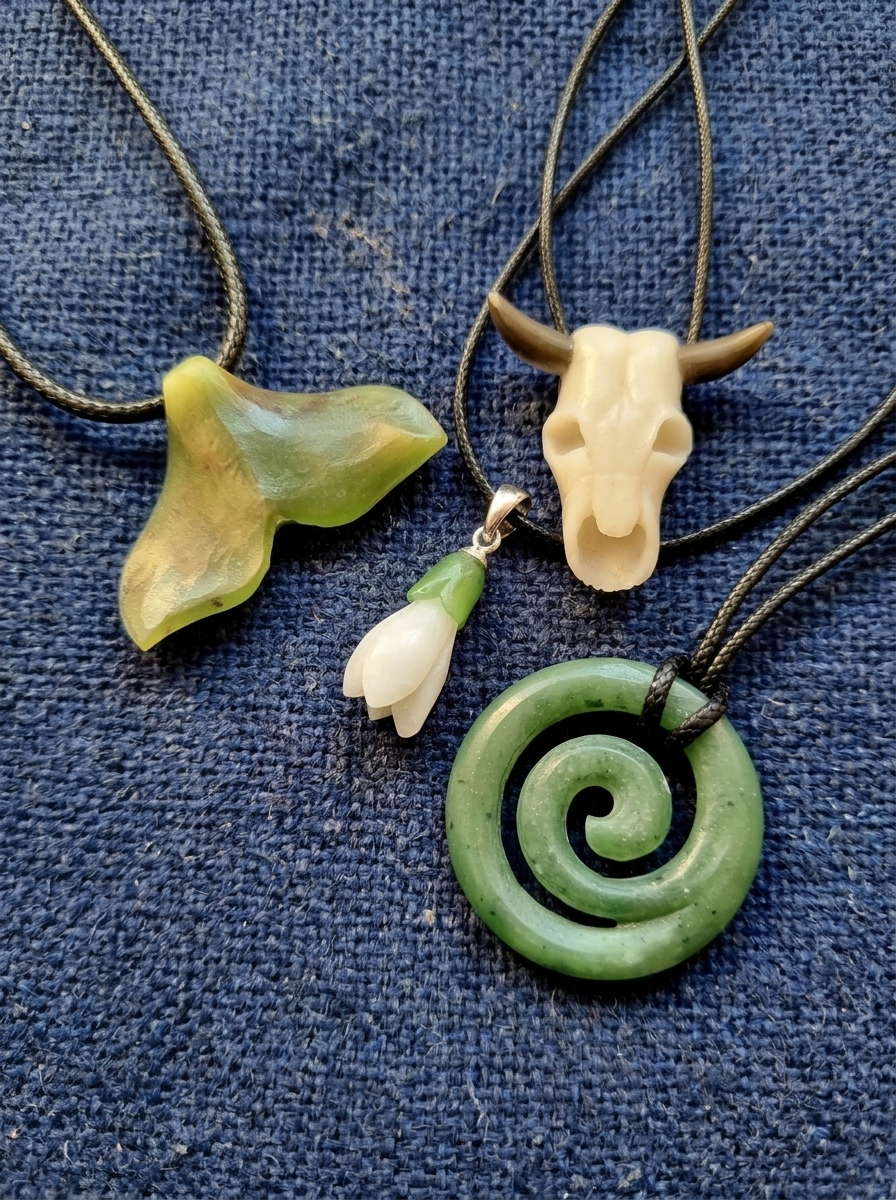
The meticulous 20-month cutting process involved not just shaping but also continual re-evaluation under varying light conditions to ensure the color was uniformly distributed and saturated throughout the stone. This requires an intimate knowledge of crystallography and light physics. Such precision and dedication are what transform raw geological material into works of art, much like the exquisite craftsmanship seen in hand-carved gemstones and jade pieces, where every curve and line is designed to enhance the stone’s natural beauty and characteristics. You can appreciate the artistry and dedication to such craftsmanship at stone-flower.com, where unique pieces of nature’s beauty are brought to life by skilled artisans.
Beyond the Auction Block: The Legacy
The Steinmetz Pink is more than a record-breaking auction item; it is a benchmark. It challenges our understanding of what is possible in nature and inspires future generations of gemologists, cutters, and collectors. Its existence pushes the boundaries of gemological research, prompting deeper dives into the mechanisms behind color formation in diamonds and the optimal techniques for their unveiling. It stands as a symbol of enduring beauty, rarity, and the relentless pursuit of perfection in the world of high jewelry.
In an industry constantly seeking the next marvel, the Steinmetz Pink remains a pinnacle, an unparalleled achievement that continues to define what it means to be truly “Fancy Vivid Pink.”
Frequently Asked Questions About The Steinmetz Pink
- Q: What makes pink diamonds so rare compared to other colored diamonds?
A: Pink diamonds are uniquely rare because their color isn’t caused by trace elements like nitrogen or boron, but by specific structural deformations in their crystal lattice known as plastic deformation, which occurs under immense pressure deep within the Earth. This phenomenon is far less common than elemental impurities. - Q: How is “Fancy Vivid Pink” different from other pink diamond grades?
A: “Fancy Vivid Pink” represents the highest level of color saturation and intensity on the GIA’s fancy color grading scale for pink diamonds, surpassing grades like “Fancy Light,” “Fancy,” and “Fancy Intense.” It signifies a hue that is exceptionally strong, pure, and vibrant, without being overly dark or light, and ideally without any secondary modifying colors. - Q: What was the original rough weight of the Steinmetz Pink, and why did it reduce so much?
A: The rough diamond from which the Steinmetz Pink was cut weighed 100.10 carats. It was reduced to 59.60 carats (a loss of over 40 carats) during the cutting process. This significant reduction was a deliberate choice by master cutters to optimize and maximize the diamond’s inherent Fancy Vivid Pink color saturation and achieve an Internally Flawless clarity, rather than simply retaining weight.