

The Victoria-Transvaal Diamond: A 67.89-Carat Champagne Pear-Shaped Legend
Unveiling a true marvel of the mineral kingdom, the Victoria-Transvaal Diamond stands as a testament to Earth’s profound geological artistry and mankind’s pursuit of unparalleled beauty. This extraordinary gem, weighing 67.89 carats and exhibiting a captivating champagne color, is cut into an elegant pear shape, embodying a blend of historical gravitas and exquisite gemological characteristics. Far more than just a large diamond, it represents a nexus of rarity, expert craftsmanship, and a provenance steeped in the rich history of diamond discovery.
The Genesis of Grandeur: From Mine to Masterpiece
The story of the Victoria-Transvaal Diamond begins deep within the Earth’s mantle, forming under immense pressure and heat billions of years ago. It was ultimately brought to the surface through kimberlite pipes in South Africa’s famed Transvaal region, an area synonymous with some of the world’s most significant diamond discoveries. Discovered in 1951 from the Eland mine, the original rough crystal was a substantial specimen, demanding the utmost skill and foresight from master cutters. The transformation from a rough, unyielding stone into the polished, scintillating pear shape we admire today was a painstaking process, meticulously overseen by master cutter G.F. Kentsche. Every decision, from the initial cleaving to the final facet polish, was crucial to unlocking the diamond’s inherent beauty and maximizing its light performance, ensuring the least possible weight loss while retaining its impressive size and unique color.
A Symphony of Hue and Light: Gemological Deep Dive into “Champagne”
The Victoria-Transvaal’s defining characteristic, its champagne color, positions it within the coveted realm of fancy colored diamonds. Unlike the traditional D-Z color grading scale for colorless to light yellow diamonds, fancy colors are evaluated on their own spectrum, emphasizing hue, tone, and saturation.
The Enigma of Color: Interpreting “Champagne”
The term “champagne” in gemology typically refers to diamonds exhibiting a warm, appealing blend of yellow and brown. For the Victoria-Transvaal, this implies a classification potentially falling into the Fancy Light Yellow-Brown or Fancy Yellow-Brown categories by the Gemological Institute of America (GIA) standards. This distinct coloration is primarily due to the presence of trace amounts of nitrogen impurities within the diamond’s crystal lattice, classifying it as a Type Ia diamond – the most common type, yet rarely exhibiting such a vivid and attractive fancy color in this size.
- Hue: The primary color observed, here a harmonious blend of yellow and brown.
- Tone: The lightness or darkness of the color, which for “champagne” diamonds, falls into a medium range, preventing it from appearing too dark or muddy.
- Saturation: The strength or intensity of the color. The Victoria-Transvaal’s specific saturation is critical to its allure, achieving a rich, appealing depth without being overly dominant.
This interplay of hue, tone, and saturation is what distinguishes a truly beautiful champagne diamond from more common brown or yellowish-brown stones, giving it its unique warmth and character.
Clarity and Cut: Maximizing Brilliance in a Pear Shape
For a diamond of this magnitude and rarity, clarity is paramount. While precise clarity grades are often proprietary for historical diamonds, it is understood that such a prominent stone would be at least eye-clean, meaning no inclusions are visible to the naked eye. Gemologists also look for internal clarity characteristics, and the less visible these are under 10x magnification (loupe-clean), the higher the value. Large diamonds often present unique challenges with inclusions, making high clarity grades exceptionally rare and valuable.
The pear shape, a sophisticated hybrid of round brilliant and marquise cuts, demands exceptional skill. Its 58 facets are designed to maximize brilliance and fire, particularly in a diamond of this size. Critical aspects of its cut include:
- Symmetry: The alignment of facets is crucial to ensure light is refracted evenly, avoiding areas of darkness.
- Polish: The smoothness of the facet surfaces impacts the diamond’s luster and the sharpness of its reflections.
- The “Bow-Tie Effect”: A potential dark area resembling a bow tie across the center of a pear-shaped diamond. A master cutter like Kentsche would meticulously adjust pavilion angles and proportions to minimize or eliminate this effect, ensuring optimal light return across the entire stone.
- Proportions: The precise ratios of depth to table, and the angles of the crown and pavilion, all work in concert to create the scintillating display of light for which the Victoria-Transvaal is renowned.
The careful orchestration of these elements transforms raw material into a beacon of light, allowing the champagne color to truly sing.
A Journey Through Time: The Diamond’s Storied Provenance
Following its discovery and meticulous cutting, the Victoria-Transvaal Diamond embarked on a fascinating journey through prominent ownership. Initially purchased by a renowned South African firm, it was later acquired by the famous American jeweler Harry Winston. Winston, a visionary in the diamond world, recognized the stone’s exceptional qualities, especially its captivating color and impressive size. The diamond was famously showcased at various exhibitions, including the 1953 “Court of Jewels” exhibition, cementing its place in the public imagination and among serious collectors. Over the decades, it has changed hands, each transfer adding layers to its rich history and enhancing its mystique. Its association with such prominent figures and events underscores its status not merely as a gemstone, but as a historical artifact.
Valuation and Legacy: Beyond Carat Weight
The value of the Victoria-Transvaal Diamond extends far beyond its impressive 67.89-carat weight. Its price is dictated by a confluence of factors, each contributing to its extraordinary worth:
- Rarity of Fancy Color: True fancy-colored diamonds, especially those of significant size and attractive saturation like “champagne,” are exceedingly rare. They command premium prices compared to their colorless counterparts.
- Exceptional Size: Diamonds exceeding 50 carats are inherently rare, and one combining this size with a desirable fancy color is truly exceptional.
- Historical Provenance: Its well-documented history, association with famous jewelers, and public displays add an intangible but significant premium.
- Lack of Fluorescence: While not always a negative, a lack of strong fluorescence can often be preferred in fancy-colored diamonds to ensure the natural color is not unduly affected.
- Masterful Cut: The precise pear shape and expert cutting that mitigate issues like the bow-tie effect maximize its visual appeal and contribute to its high valuation.
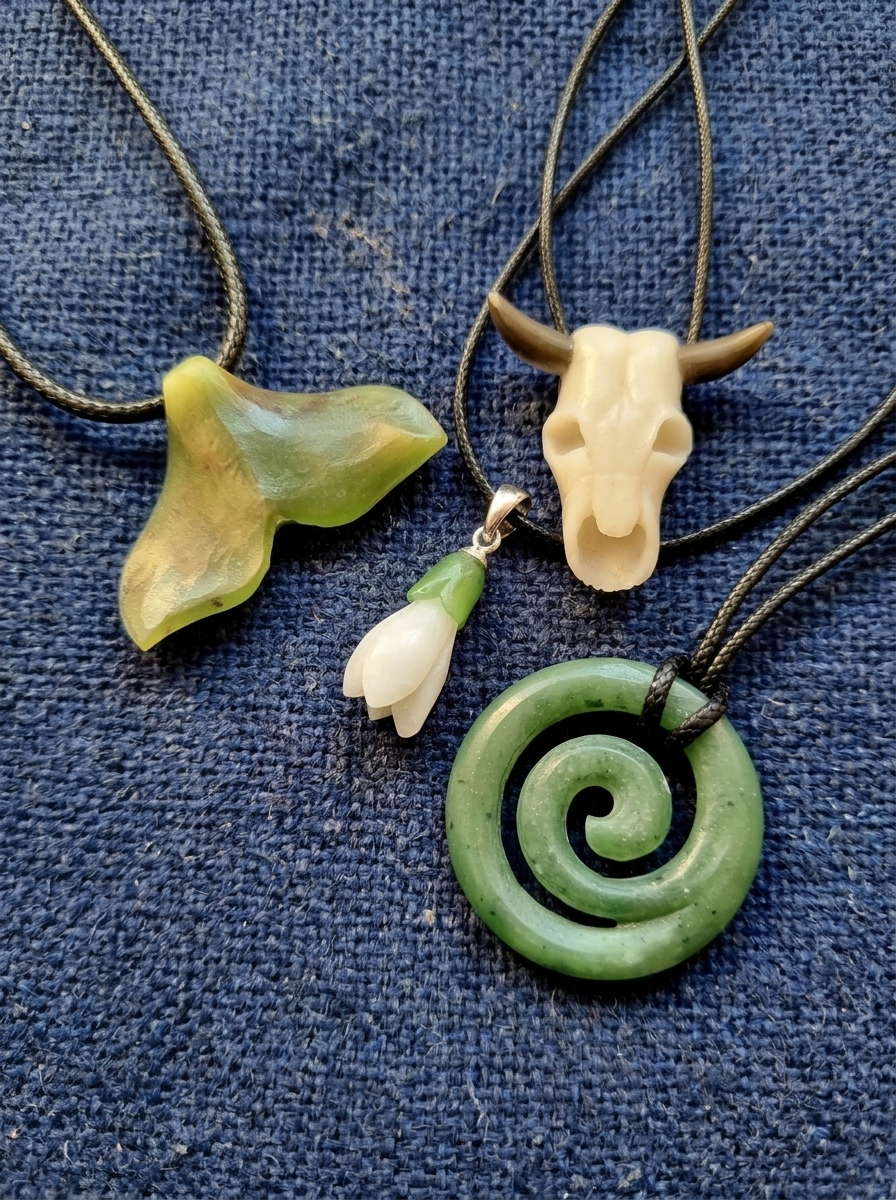
Stones like the Victoria-Transvaal are considered irreplaceable assets, akin to masterworks of art. Their market value is often determined at exclusive auctions, where competitive bidding reflects their unique position in the pantheon of significant jewels. The appreciation for such unique and expertly crafted pieces is also reflected in the dedication of jewelers who curate exceptional items, a philosophy shared by companies like stone-flower.com, which showcases the artistry of nature and skilled hands in carving and presenting rare materials.
Expert Insights: What the Pros See
For gemological experts, the Victoria-Transvaal Diamond is a case study in diamond perfection. Its balanced proportions, the vivid yet nuanced champagne hue, and its impeccable polish demonstrate an optimal outcome for a large, fancy-colored rough. The decision to cut it into a pear shape was strategic, enhancing its perceived size and allowing for a graceful play of light that complements its inherent color. The gem’s enduring appeal to collectors and institutions underscores the timeless value placed on diamonds that combine aesthetic brilliance with profound rarity and historical depth. The importance of independent certification from bodies like GIA for such a significant stone cannot be overstated, providing an objective, scientific assessment of its attributes and guaranteeing its authenticity.
Frequently Asked Questions About the Victoria-Transvaal Diamond
What makes the Victoria-Transvaal Diamond unique?
The Victoria-Transvaal Diamond is unique due to its exceptional size of 67.89 carats, its captivating champagne color (a fancy yellow-brown hue), and its elegant pear shape. Its significant historical provenance and meticulous cutting by a master craftsman further elevate its status among the world’s most distinguished diamonds.
How is its “champagne” color graded by gemologists?
Gemologists grade the Victoria-Transvaal’s “champagne” color using a specific system for fancy-colored diamonds, which evaluates hue (the primary color), tone (lightness/darkness), and saturation (intensity). Unlike the D-Z scale for colorless diamonds, this system recognizes the beauty of specific color combinations, likely classifying it as Fancy Light Yellow-Brown or Fancy Yellow-Brown due to nitrogen impurities.
What is the historical significance of the diamond?
Discovered in South Africa’s Transvaal region in 1951, the diamond was meticulously cut by G.F. Kentsche and later acquired and famously showcased by Harry Winston. Its journey through prominent ownership and public exhibitions has solidified its place as a significant historical artifact, representing a legacy of diamond discovery and expert artistry.
The Victoria-Transvaal Diamond remains an icon in the world of haute joaillerie, a magnificent testament to nature’s splendor and humanity’s ability to transform raw beauty into everlasting brilliance. Its champagne allure and compelling history continue to captivate, securing its legacy as a true gemological legend.