

The Unrivaled Brilliance of the Tiffany Yellow Diamond: A Fancy Color Phenomenon
In the pantheon of legendary gemstones, few command the awe and mystique of the Tiffany Yellow Diamond. Weighing an astonishing 128.54 carats and boasting a magnificent Fancy Vivid Yellow hue, this is not merely a diamond; it is a geological marvel, an artistic triumph, and a cultural touchstone. Throughout its illustrious history, this radiant beacon has been worn by only four women, cementing its status as perhaps the most exclusive jewel ever known. This article delves into the unparalleled gemological specificities and profound legacy that define this extraordinary natural wonder.
The Genesis of a Giant: From Kimberley Earth to Exquisite Facets
The journey of the Tiffany Yellow Diamond began in 1877, unearthed from the Kimberley Mine in South Africa. The rough stone, a formidable 287.42 carats, quickly caught the attention of Charles Lewis Tiffany, the founder of Tiffany & Co., who acquired it in 1878 for a then-unprecedented sum of $18,000. This acquisition marked a pivotal moment, positioning Tiffany & Co. as a purveyor of the world’s most exceptional gemstones.
The transformation from rough crystal to finished masterpiece was entrusted to Dr. George Frederick Kunz, Tiffany’s chief gemologist. Kunz, a prodigious talent, supervised the meticulous cutting that took over a year. While most diamonds are cut with 58 facets to maximize scintillation and dispersion (the “fire” of white light), the Tiffany Yellow Diamond was masterfully engineered with **82 facets**—a strategic decision that reveals a deep understanding of fancy color diamond optics. This unique facet arrangement, particularly the intricate additions to the pavilion and crown, was not merely for aesthetic novelty. It was precisely calculated to amplify the stone’s inherent yellow saturation and maximize its brilliance (white light reflection) and fire without diluting its primary color. The objective was to create an internal kaleidoscope of yellow light, a feat of gemological prowess that remains unmatched.
Unpacking Fancy Vivid Yellow: A Deep Dive into Color Origin and Optics
The “Fancy Vivid Yellow” grading bestowed upon the Tiffany Diamond by the Gemological Institute of America (GIA) places it in the rarest category of colored diamonds. Unlike colorless diamonds (D-Z scale), fancy color diamonds are graded on the intensity and purity of their hue. The Tiffany Yellow Diamond’s vibrant canary yellow is not a superficial coating but an intrinsic property of its crystal lattice.
Scientifically, this diamond is classified as a **Type Ib diamond**. This classification is critical because it explains the color origin. Type Ib diamonds contain isolated single nitrogen atoms uniformly distributed throughout the crystal structure. These discrete nitrogen atoms selectively absorb blue light from the visible spectrum, allowing yellow light to pass through, thus rendering the diamond its intense yellow color. In contrast, the more common Type Ia diamonds contain nitrogen atoms grouped in pairs or clusters, which typically result in colorless to light yellow stones. The uniform distribution of single nitrogen atoms in the Tiffany Diamond contributes to its exceptional color saturation and evenness, a key determinant in its “Fancy Vivid” designation.
The unique 82-facet cut further enhances this natural color. While deep pavilions in colorless diamonds can sometimes “leak” light, diminishing brilliance, in fancy color diamonds like the Tiffany Yellow, a slightly deeper pavilion can actually serve to concentrate and intensify the body color. Kunz’s expert design ensured that the internal reflections within the 82 facets would constantly bounce yellow light within the stone, creating an optical saturation that appears to glow from within, rather than merely reflecting light from its surface. This subtle yet profound distinction is a trade secret in optimizing fancy color diamonds.
The Journey of Adornment: Four Icons, One Diamond
The Tiffany Yellow Diamond has graced the necks of only four remarkable women, each moment etching the stone deeper into history:
- Mrs. Mary Whitehouse (1957): The wife of Ambassador Edwin Whitehouse, she was the first to wear the diamond, set in a necklace for the Tiffany Ball in Newport, Rhode Island.
- Audrey Hepburn (1961): Perhaps its most iconic moment, Hepburn wore the diamond in a Jean Schlumberger-designed “Ribbons of Diamonds” necklace for publicity photographs for the film “Breakfast at Tiffany’s.” This pairing instantly elevated both the diamond and the star to legendary status.
- Lady Gaga (2019): Re-set into a stunning Schlumberger necklace from the 1960s, Lady Gaga wore the Tiffany Yellow Diamond to the 91st Academy Awards, making a powerful statement on the red carpet.
- Beyoncé Knowles-Carter (2021): In a groundbreaking campaign for Tiffany & Co., Beyoncé wore the diamond in the “About Love” campaign, again in the Schlumberger necklace, continuing its legacy with a modern icon.
Engineering Brilliance: The Precision of the 82-Facet Cut
The decision to cut the Tiffany Yellow Diamond with 82 facets, rather than the standard 58, exemplifies the nuanced approach required for optimal fancy color diamond performance. Standard brilliant cuts prioritize the return of white light (brilliance) and dispersion (fire) in colorless diamonds. However, for fancy color diamonds, the primary objective is to maximize the intensity and saturation of the inherent body color while still maintaining excellent brilliance.
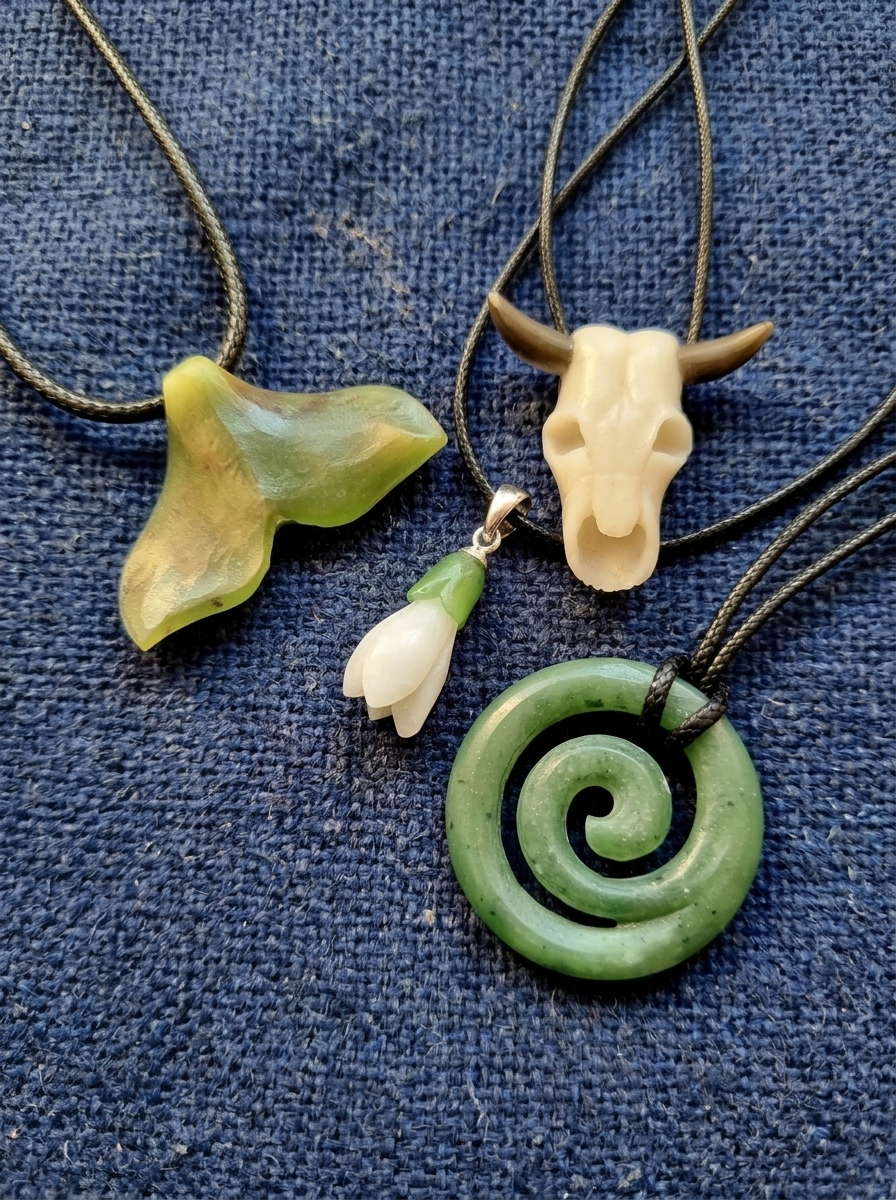
The extra facets on the Tiffany Yellow Diamond, particularly those in the pavilion, were meticulously placed to act as internal mirrors, reflecting light more frequently within the stone before it exits the crown. This internal light play serves to amplify the yellow hue, ensuring that the diamond appears vividly colored from virtually any angle. The deep pavilion, often a detractor in colorless diamonds, becomes an asset here, preventing light from escaping too quickly and allowing it to interact more thoroughly with the nitrogen impurities responsible for the color. This sophisticated interplay of cut, color, and internal structure showcases an unparalleled mastery of lapidary art, a testament to the fact that just like the expertise required to craft magnificent hand-carved nephrite jade pendants or other exquisite natural materials curated by experts like those at stone-flower.com, the cutting of such a diamond is an art form itself.
The Enduring Legacy and Unquantifiable Value
The Tiffany Yellow Diamond transcends mere monetary value; it is often described as priceless, an artifact of historical and cultural significance. It is a cornerstone of Tiffany & Co.’s brand identity, symbolizing luxury, rarity, and unparalleled craftsmanship. Its continuous exhibition at the flagship Tiffany & Co. store in New York City allows the public to witness its splendor firsthand, connecting generations to its enduring allure.
The legacy of this diamond is not just in its astounding size or vibrant color, but in the story it tells—of geological wonder, human ingenuity, and the timeless appeal of true beauty. It stands as a testament to the power of a single, extraordinary gem to captivate imaginations and define an era.
Frequently Asked Questions About the Tiffany Yellow Diamond
-
Q1: What is the exact weight of the Tiffany Yellow Diamond?
A1: The Tiffany Yellow Diamond weighs precisely 128.54 carats. It was cut from a 287.42-carat rough stone. -
Q2: Why does the Tiffany Yellow Diamond have 82 facets instead of the standard 58?
A2: The 82-facet cut was specifically chosen to maximize the diamond’s “Fancy Vivid Yellow” color saturation and brilliance. This unique faceting pattern, particularly in the pavilion, allows light to interact more effectively with the diamond’s internal structure, amplifying its natural yellow hue and making it appear to glow from within, a crucial optimization for fancy color diamonds. -
Q3: Who are the four women who have worn the Tiffany Yellow Diamond?
A3: The four women who have had the privilege of wearing the Tiffany Yellow Diamond are Mrs. Mary Whitehouse (1957), Audrey Hepburn (1961), Lady Gaga (2019), and Beyoncé Knowles-Carter (2021).
In conclusion, the Tiffany Yellow Diamond is more than just a magnificent jewel; it is a profound study in gemological excellence. Its Type Ib nitrogen composition, meticulously engineered 82-facet cut, and rich historical provenance coalesce to create an object of unparalleled beauty and scientific intrigue. It remains a sparkling testament to nature’s artistry and human craftsmanship, a legacy of brilliance passed through time, continuing to inspire awe and define the pinnacle of rare gem appreciation.