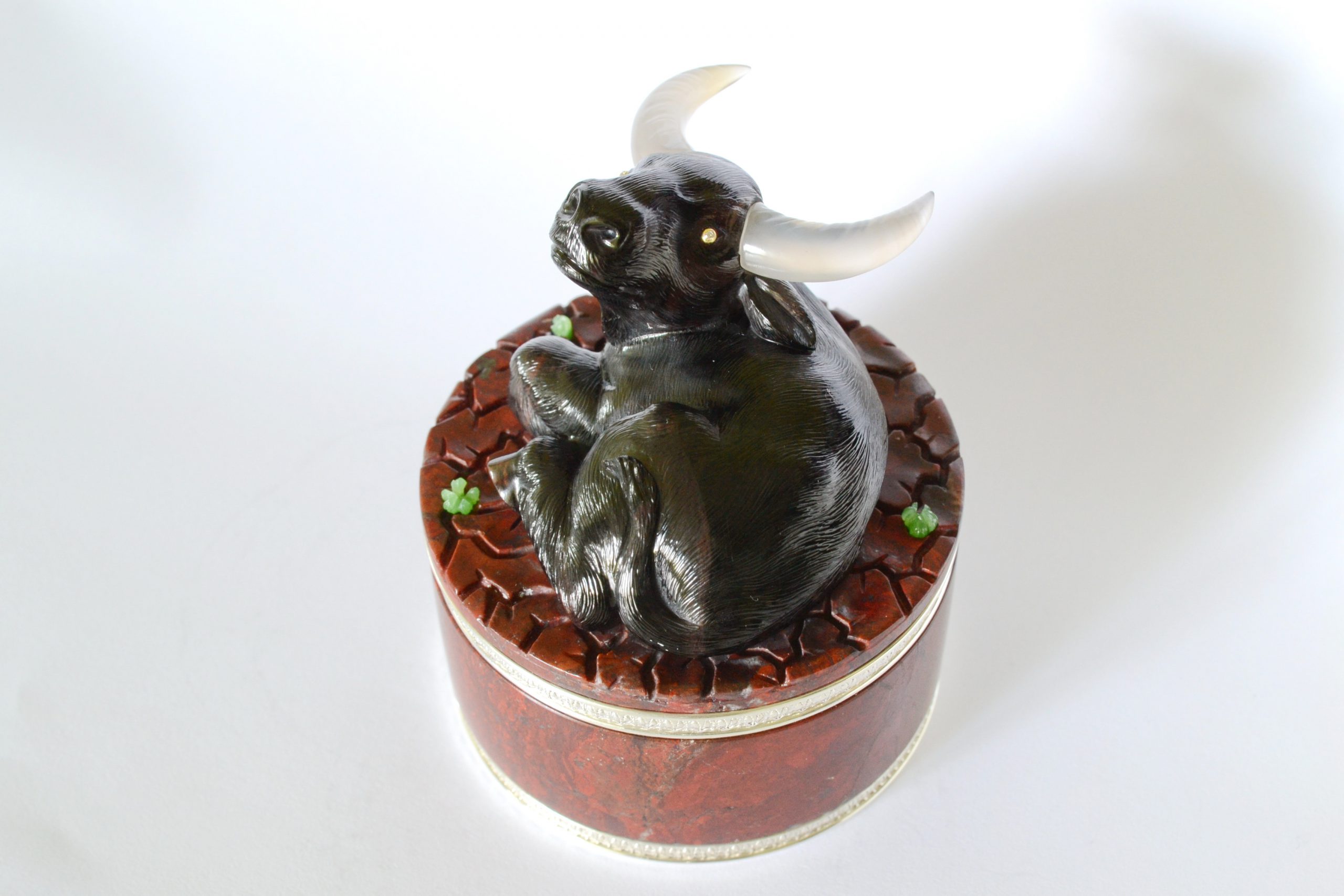

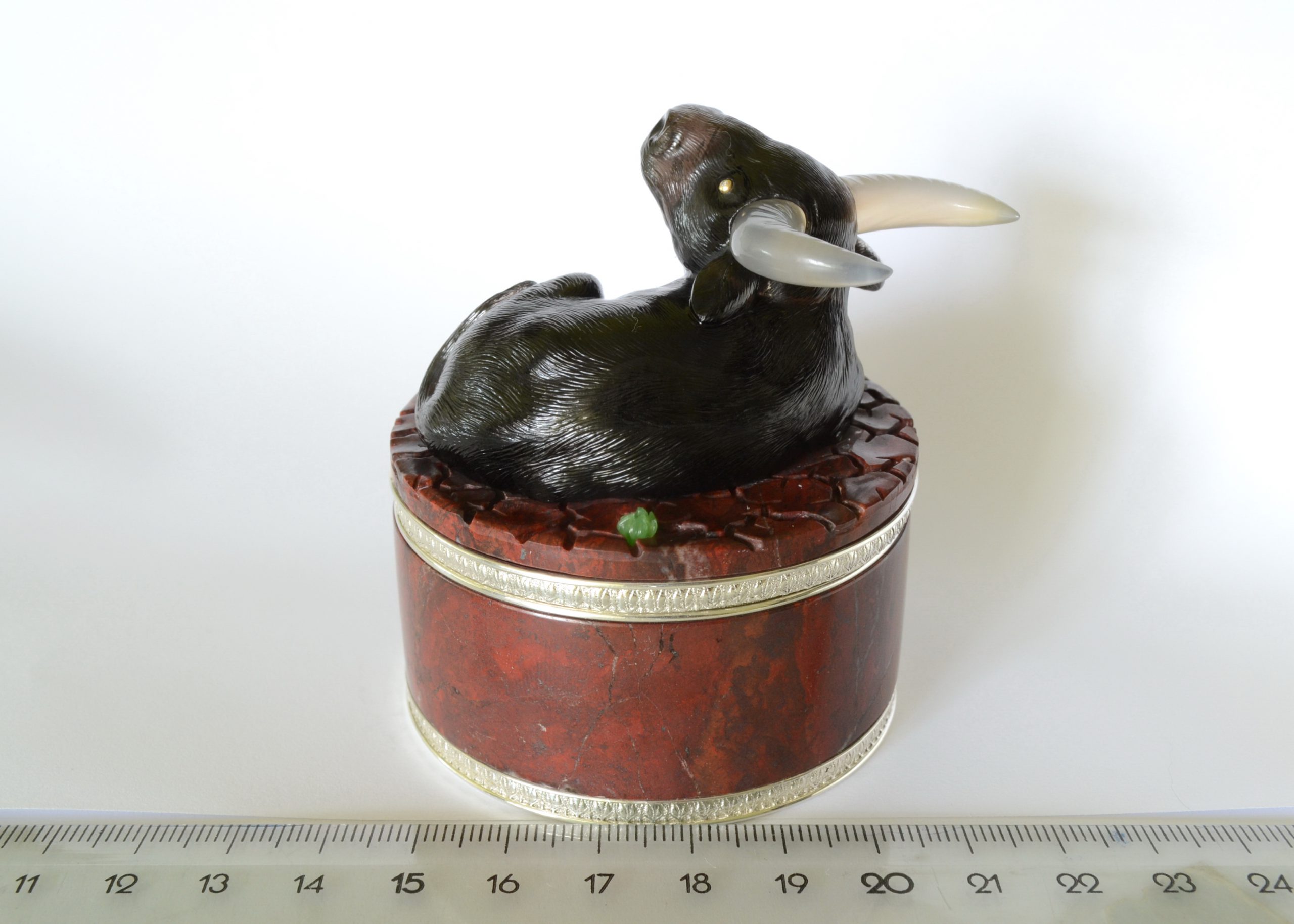
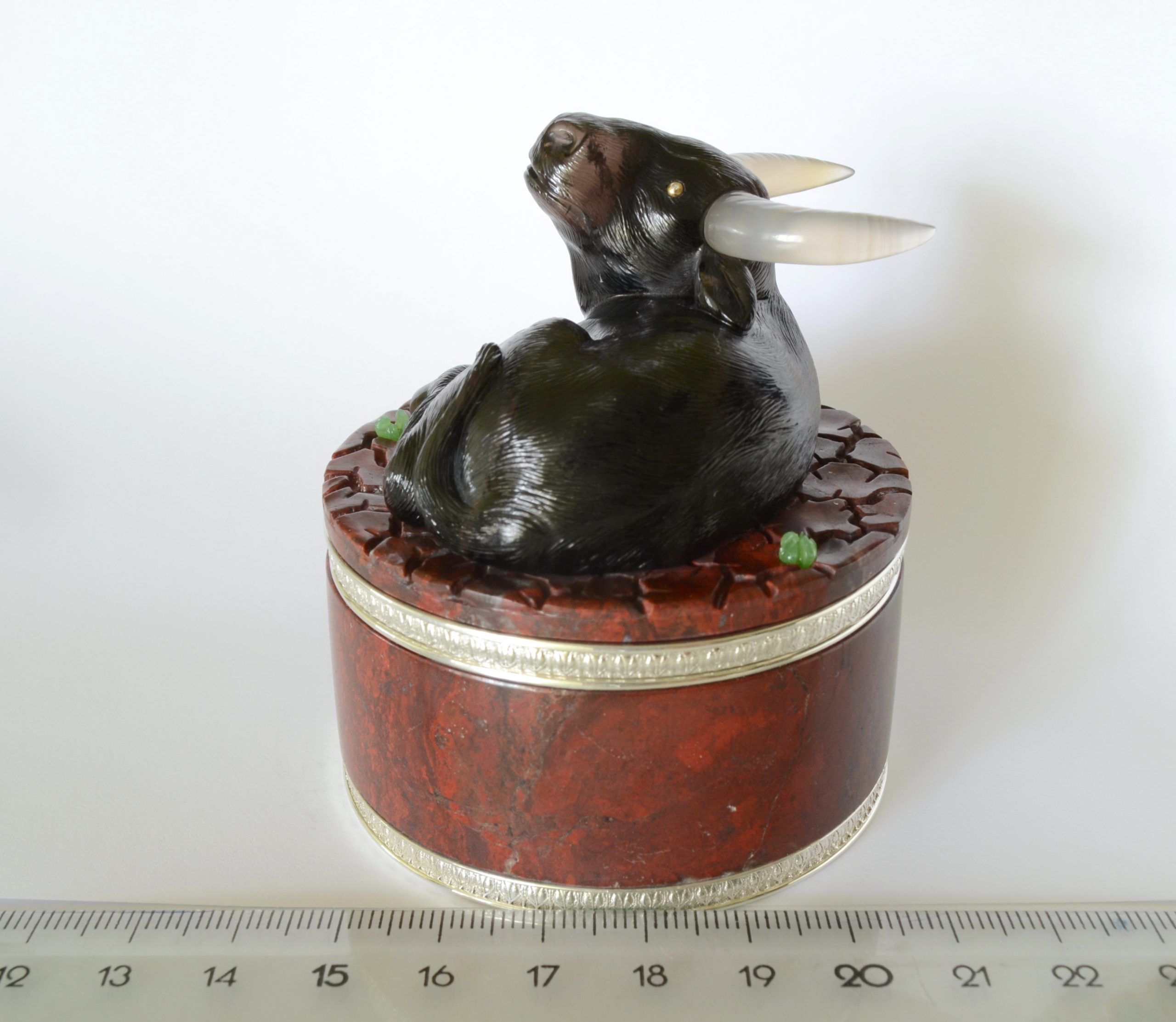
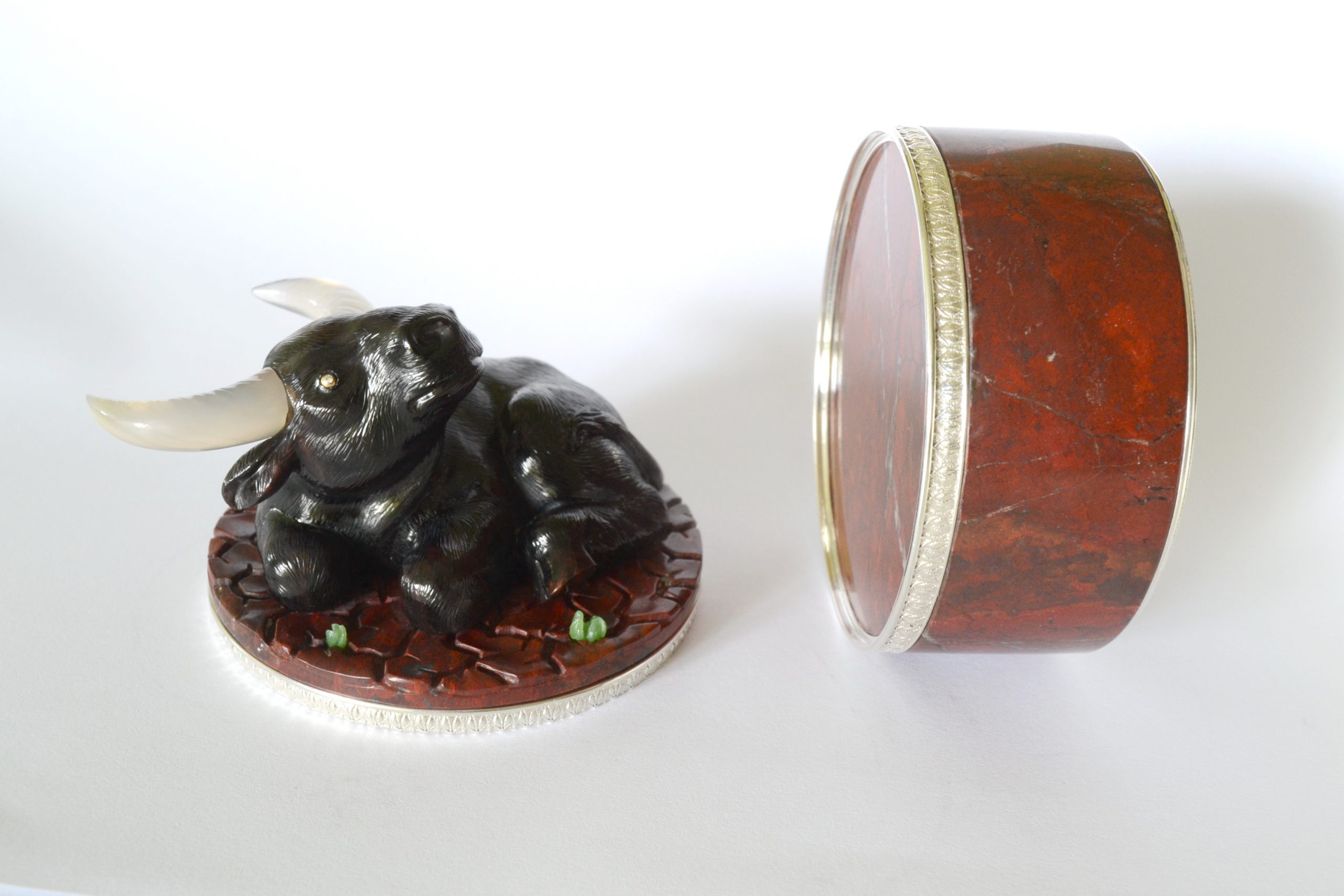
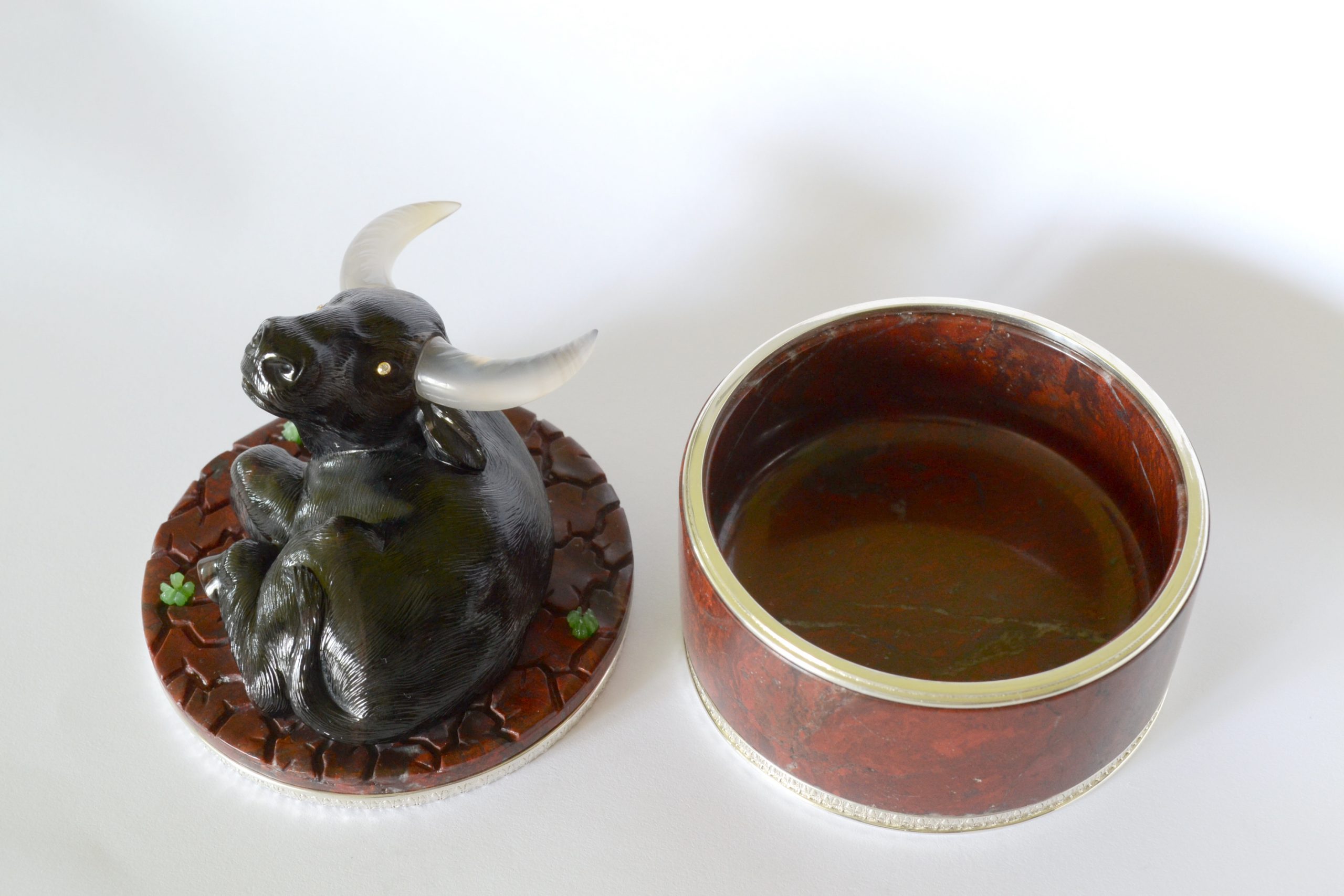
Description
Materials: obsidian, agate, jade, jasper, silver, diamonds.
How People Assign Value to a Piece of Art
Edvard Munchs fourth version of The Scream was the most expensive work of art sold at an auction with a whooping price of $119.9 million. But that was before. Recently, Francis Bacons Three Studies of Lucian Freud, a triptych or a three-paneled work, surpassed the record of the Norwegian artists work. It was sold for $142.4 million at Christies.
These prices, for a mind not ready to hear what the oil on canvas has to say, are deafening. But why is art ridiculously expensive? Savvies, curators, and those who go to professional and reputable auctioneers argue that its just right to name good works of art with a high price because first, theyre created to lift a persons soul; second, it provides humans with beauty when they want to escape the ugly reality; and third, no one knows how much the price of all these experiences are. This simply means the value of art is subjective.
Before you even think of visiting an auction house or bidding online to start investing in art, learn how artists and experts price such works. The following insights will give you an idea about it.
The Artist
The artist is the first individual who gives his work a clear price structure. He sets certain criteria and uses them to assess the worth. The first consideration is his reputation. Second is the physical description of the art that includes elements like size, subject matter, color, weight, detail, time, and the cost of the material. Other important technical factors include the stroke of the brush, the degree of realism or abstraction, and the number of subjects. Artists are objective when pricing their work. Meaning, they dont include their emotions, attachment, and other psychological factors in the pricing guideline.
This is where artists with gallery experience have an advantage. They can easily set a base price because of their track record and stable sale history. Artists, however, dont forget that the uniqueness of their art is not an absolute benchmark of its price. Professional dealers, auctioneers, collectors, and agents still have a say on the final price.
The Movement on the Market
The art market, just like in a regular stock market, has moments of fluctuations. Events like inflation, economic meltdown, and economic boom are all determinants of an artworks price. With these movements, people will base their buying decision on two factors: the past market performance, and the future market expectations.
It may sound fairly illogical, but pricing art is much like trial and error. That said, what artists do to earn is find a buyer who can appreciate their work and are ready to pay for the experience. This explains why a greatly distorted and ambiguous painting that looks like a kids doodle can fetch thousands (or millions) of dollars.