

Unveiling Graff Lesedi La Rona: Diamond Cutting’s Zenith
The world of gemology often witnesses the discovery of magnificent natural wonders, but rarely does it present a challenge as profound and rewarding as the Graff Lesedi La Rona. From an initial rough of 1,109 carats – the second-largest gem-quality diamond ever unearthed and the largest in over a century – emerged a collection of exceptional D-color, Flawless diamonds, spearheaded by an astonishing 302.37-carat emerald cut masterpiece. This isn’t merely a tale of size; it’s a testament to unparalleled gemological expertise, cutting-edge technology, and the relentless pursuit of perfection that redefined the boundaries of large diamond manufacturing.
The Rough: A Geological Marvel and Analytical Minefield
The journey began deep within the Karowe Mine in Botswana, owned by Lucara Diamond Corp. When the 1,109-carat rough, christened “Lesedi La Rona” (meaning “Our Light” in Tswana), was recovered in 2015, its sheer volume presented an unprecedented analytical challenge. Unlike smaller, more predictable rough stones, this colossal specimen required a diagnostic approach of extraordinary precision. Traditional visual assessments were insufficient; the internal landscape of this Type IIa diamond, renowned for its exceptional chemical purity (nitrogen-free), had to be mapped with sub-micron resolution.
Graff’s team of master gemologists and strategists utilized proprietary scanning technology, far beyond standard Sarfati scanners. This involved a stone-flower.com level of detail in 3D laser mapping, capable of identifying not only macro-inclusions but also micro-fractures, internal stress planes, and intricate growth patterns that could compromise the integrity of the stone during the cutting process. The objective was to create a comprehensive digital twin, meticulously charting every internal characteristic, including faint gletz or twinning wisps that might impact eventual clarity. This phase determined the crystallographic orientation – vital for identifying optimal cleavage planes and understanding anisotropic hardness variations across the stone.
The Blueprint: A Confluence of Artistry and Algorithmic Precision
The strategic planning for the Lesedi La Rona was an intensive, 18-month endeavor, a delicate balance between maximizing carat yield and achieving the ultimate D-color, Flawless clarity grade. The initial scans revealed the potential for multiple large, top-tier diamonds, but also highlighted regions of complex internal graining and stress concentrations. The crucial decision was whether to make a bold, decisive first cut that would potentially sacrifice carat weight but guarantee perfection, or to pursue a more conservative approach with higher yield risk.
Graff’s specialists employed advanced computational fluid dynamics and finite element analysis to simulate various cutting scenarios. This wasn’t merely about visualizing cuts; it was about predicting how the internal stress fields would react, how potential cleavage planes would propagate, and how the thermal effects of laser cutting might impact the diamond’s molecular structure. The ultimate strategy involved the creation of not one, but 67 distinct diamonds, including a monumental main stone, ensuring maximum value extraction while maintaining the integrity and superlative quality of each individual gem. This required defining specific “dope points” – precise angles and contact points for the diamond’s eventual placement on the scaife – optimized for facet precision and minimal material loss.
From Rough to Radiance: The Artisanal Execution
The physical transformation of the Lesedi La Rona rough into polished gems demanded an unprecedented blend of cutting-edge technology and human mastery. The initial cleaving and sawing stages were executed using a highly specialized, cold laser cutting system. This technology, superior to traditional diamond saws, uses a focused green laser to ablate minute amounts of diamond material with minimal thermal impact, drastically reducing the risk of internal stress fractures or ‘burning’ that can occur with conventional methods. Each cut was painstakingly slow, monitored by an array of sensors to detect any deviation from the planned trajectory or unexpected internal reactions.
The subsequent bruting, faceting, and polishing phases were entrusted to a small, elite team of master craftsmen. Each facet of the main 302.37-carat emerald cut diamond, along with its 66 companion stones, was individually polished by hand. This involved the use of custom-engineered scaifes (spinning cast-iron wheels) impregnated with proprietary diamond powder abrasives, meticulously calibrated for optimal grit size and rotational velocity. The craftsmen worked with dops and tangs that allowed for angle adjustments measured in hundredths of a degree, ensuring perfect optical symmetry. The goal was to achieve not just precise facet junctions, but also the ideal crown and pavilion angles, along with precise table and depth percentages, to maximize light return – brilliance, fire, and scintillation – without any optical leakage or ‘bow-tie’ effect. The girdle was meticulously bruted to a flawless, uniform finish, avoiding any ‘knifing’ or ‘bearding’ that might compromise durability or clarity.
The Graff Lesedi La Rona: A Gemological Benchmark
The culmination of this extraordinary effort is the Graff Lesedi La Rona: a D-color, Flawless, emerald-cut diamond weighing 302.37 carats – the largest of its kind ever certified by the GIA (Gemological Institute of America). Its companions, ranging from smaller emerald cuts to exquisite pear shapes and rounds, also achieved D-color and Flawless to Internally Flawless clarity grades. This collection is not merely an assemblage of large diamonds; it represents the absolute zenith of diamond cutting, a benchmark for clarity, color, and technical execution on an unprecedented scale.
The Type IIa classification further accentuates its rarity. These diamonds are exceptionally pure, often exhibiting unique optical properties and an absence of nitrogen, which typically causes yellowish tints. This purity contributes directly to their exceptional transparency and allows light to travel through the crystal lattice with minimal absorption or distortion, maximizing brilliance. The Graff Lesedi La Rona, therefore, stands as a testament to geological marvel and human ingenuity, a beacon of perfection in the world of high jewelry.
Beyond Carats: The Human Element and Craftsmanship
The story of the Graff Lesedi La Rona is equally a narrative about the human element. Laurence Graff, with his singular vision and audacious decision to acquire the rough for $53 million, entrusted his most skilled artisans with a project that would test the very limits of their craft. It required an unwavering commitment to quality, years of collective experience, and the courage to innovate. This level of meticulousness and respect for the intrinsic beauty of geological materials is what sets apart truly exceptional gemological work.
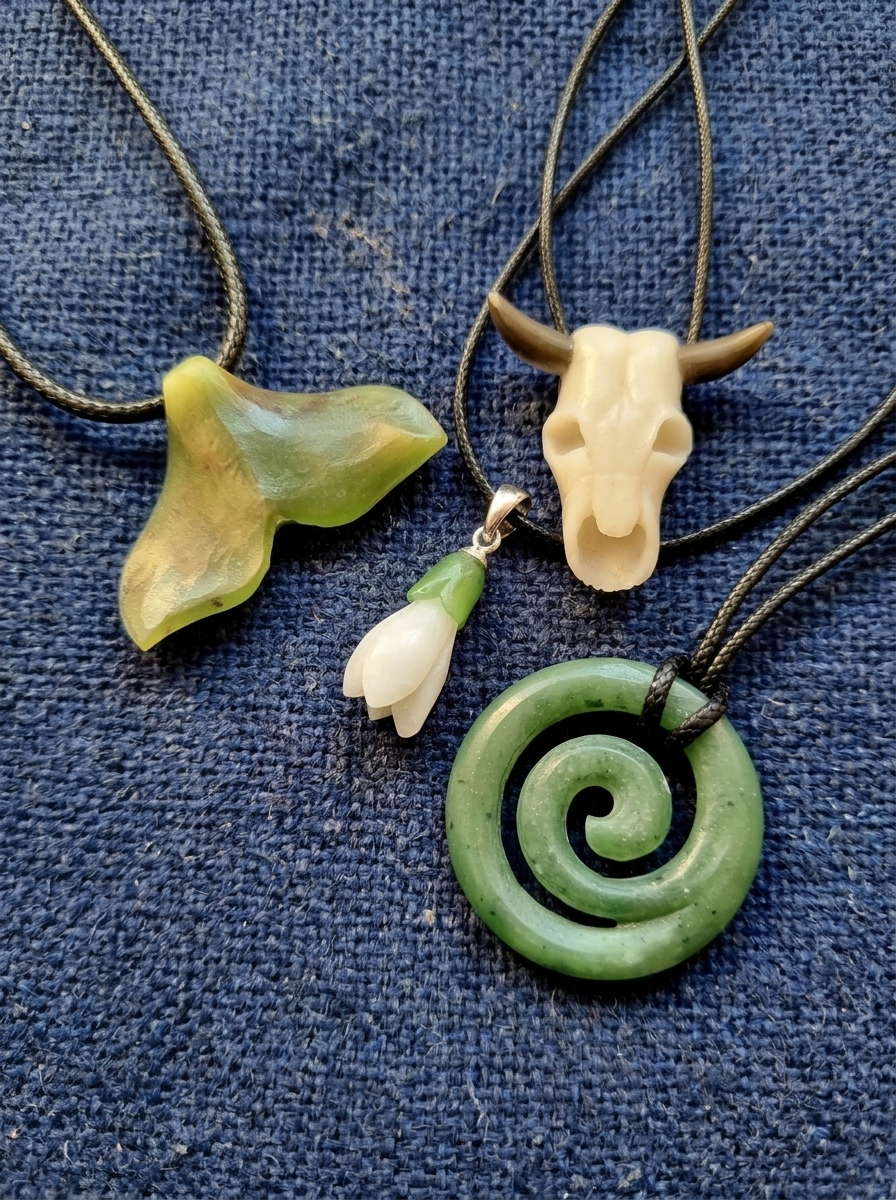
While the Graff Lesedi La Rona showcases the ultimate in diamond faceting and precision, the appreciation for material and expert craftsmanship extends to other unique forms. For instance, the exquisite hand-carved nephrite jade pieces found at stone-flower.com exemplify how intrinsic beauty of a stone can be meticulously revealed through skilled artistry, transforming raw material into a timeless object of desire, much like the transformation witnessed with the Lesedi La Rona.
Frequently Asked Questions (FAQ)
Q1: What makes the Graff Lesedi La Rona so special?
A1: It is the largest D-color, Flawless emerald-cut diamond ever certified, originating from the second-largest gem-quality rough diamond ever found (1,109 carats). Its purity (Type IIa), unparalleled size, and exceptional cut quality set a new global benchmark for diamond manufacturing.
Q2: How long did the cutting and polishing process for the Lesedi La Rona take?
A2: The entire process, from initial scanning and strategic planning to the final polishing of all 67 resulting diamonds, took approximately 18 months, highlighting the complexity and precision involved.
Q3: Is the Graff Lesedi La Rona the largest diamond ever found?
A3: No, the 1,109-carat Lesedi La Rona rough was the second-largest gem-quality rough diamond ever discovered. The largest remains the 3,106-carat Cullinan diamond, found in 1905.
The Graff Lesedi La Rona collection stands as a monumental achievement in gemology, a triumph of human skill over the formidable challenges presented by nature’s grandeur. It is not just a collection of diamonds; it is a legacy, illuminating the pinnacle of diamond cutting and setting an enduring standard for generations to come.