

The Kazanjian Red Diamond: Unveiling the Apex of Rarity and Color
In the rarefied echelon of extraordinary gemstones, few command the awe and intrigue of a red diamond. These are not merely rare; they are statistical anomalies, geological whispers in the Earth’s vast symphony. Among these spectral giants, the Kazanjian Red Diamond stands as a titan: a magnificent 5.05-carat natural Fancy Red diamond, one of only three known red diamonds in existence exceeding five carats. Its story is a confluence of extreme geological pressures, meticulous human craftsmanship, and a hue so profound it challenges the very definition of color.
The Phenomenon of Red Diamonds: A Gemological Enigma
A Gemological Anomaly: Formation Beyond Chromophores
Unlike most other fancy colored diamonds, whose captivating hues are typically derived from trace elements like nitrogen (yellows), boron (blues), or structural defects involving these elements (greens), the genesis of a red diamond’s color is a profound study in crystallography and deformation. Red diamonds are formed through a process known as plastic deformation within the diamond’s crystal lattice. Intense pressure and temperature deep within the Earth’s mantle cause atoms to shift along specific crystallographic glide planes, creating minute structural defects or ‘lamellae.’ These sub-microscopic distortions absorb certain wavelengths of light, allowing only the red spectrum to be transmitted, resulting in the coveted red body color. There are no foreign chemical impurities acting as chromophores; the color is intrinsic to the very structure of the carbon atoms themselves. This makes red diamonds among the most challenging for gemologists to fully understand, requiring advanced spectroscopic techniques like FTIR and Raman spectroscopy to confirm their natural origin and color mechanism.
Decoding “Fancy Red”: The Pinnacle of Color Grading
The Gemological Institute of America (GIA) grades fancy colored diamonds on a scale that progresses from Fancy, Fancy Intense, Fancy Vivid, Fancy Deep, to Fancy Dark. For red diamonds, the term “Fancy Red” represents the absolute zenith of color saturation possible without any secondary modifying hues. While most colored diamonds exhibit secondary color modifiers (e.g., “Fancy Purplish Red” or “Fancy Orangy Yellow”), a pure “Fancy Red” without any overt modifiers is exponentially rarer and commands the highest premium. The Kazanjian Red, in its purity of hue and intensity, exemplifies this ultimate grading. Its optical path length, the distance light travels within the stone, combined with its unique structural defects, allows for this exceptional color saturation and purity, making it a benchmark for the “Fancy Red” classification.
The Kazanjian Red Diamond: A Deep Dive into its History and Characteristics
Birth and Journey: From Brazilian Mine to Global Icon
The precise origins of the rough diamond that would become the Kazanjian Red are shrouded in a degree of mystery common to many legendary gems. It is widely believed to have been discovered in the diamond-rich alluvial deposits of Brazil, likely in the 1920s or 1930s. The journey from rough stone to faceted masterpiece is a testament to the skill and risk undertaken by master cutters. The initial rough, reportedly weighing around 35 carats, presented an immense challenge. The primary goal for cutters of fancy colored diamonds is to maximize the face-up color rather than pure brilliance, which often means prioritizing weight retention and specific angles that enhance the color path within the stone. This contrasts sharply with the cutting philosophy for white diamonds, where maximizing fire and scintillation is paramount.
Over decades, the diamond changed hands, undergoing a meticulous transformation. It eventually acquired its distinctive “modified shield cut” – a sophisticated choice designed to maximize its exceptional red hue and retain as much of its precious weight as possible. This careful deliberation resulted in the stunning 5.05-carat marvel we know today. Its naming often reflects prominent owners or significant periods in its history, cementing its legacy through association.
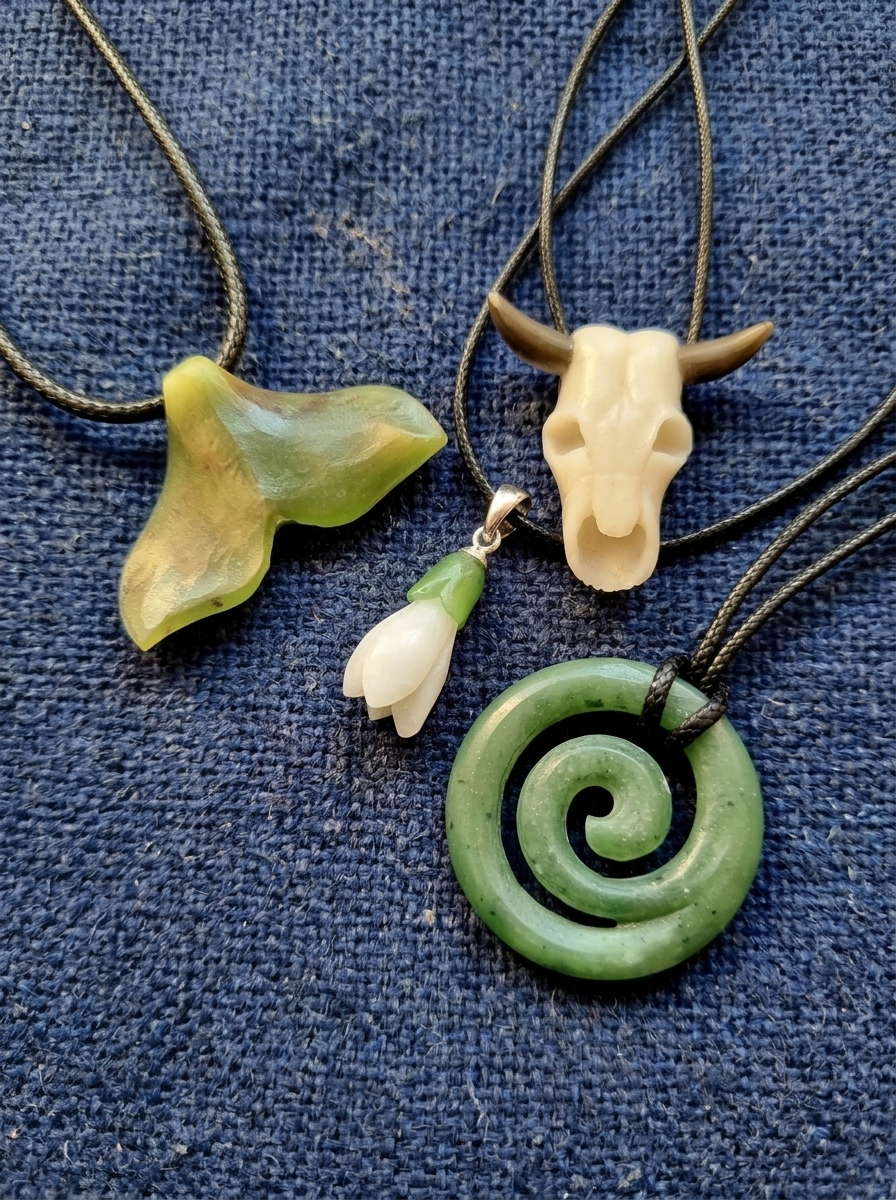
Just as the precise cutting of a rare diamond demands unparalleled skill, so too does the creation of unique treasures from Earth’s bounty. For enthusiasts of rare and exquisite natural treasures, exploring the curated selection at stone-flower.com offers a glimpse into the diverse beauty the Earth creates, from unique mineral specimens to artisanal carvings, each a testament to nature’s artistry and human craftsmanship.
Anatomy of Rarity: Why 5.05 Carats is Astounding
The Kazanjian Red’s 5.05-carat weight places it in an almost unattainable category. Red diamonds over 1 carat are exceedingly rare; those approaching or exceeding 5 carats are virtually unheard of. To put its rarity into perspective:
- The famous Hancock Red Diamond, previously the most expensive per-carat gemstone ever sold at auction, weighed a mere 0.95 carats.
- The Moussaieff Red Diamond, at 5.11 carats, is the only other known red diamond of comparable size and is recognized as the largest internally flawless fancy red diamond in the world.
This means the Kazanjian Red is not just rare; it is among a triumvirate of geological miracles. The probability of forming a red diamond of this magnitude and purity of color is infinitesimally small, making each additional tenth of a carat a significant leap in rarity and value. Its immense size allows for an unparalleled visual experience of its intense, unadulterated red, a feature often lost in smaller specimens where the color path is too short to fully develop its saturation.
The Masterful Cut: Optimizing Color and Brilliance
The choice of a modified shield cut for the Kazanjian Red was a strategic decision by master cutters. Unlike brilliant cuts designed to maximize light return and sparkle in colorless diamonds, fancy color diamonds prioritize showcasing the color itself. A modified shield cut, with its broader facets and unique geometry, allows light to travel deeper within the stone, intensifying the red hue and allowing it to be observed with maximum saturation from various angles. The goal is to create an uninterrupted path for the color-producing structural defects to interact with light, presenting an even, vibrant face-up color. This often means sacrificing some conventional brilliance for the sake of color intensity and consistency, a trade-off that is highly desirable and expertly executed in the Kazanjian Red.
Beyond the Facets: Value and Legacy
The market value of such a diamond is almost incalculable. It transcends conventional gem pricing, entering the realm of art and historical artifacts. Auctions for smaller red diamonds have set record-breaking per-carat prices, hinting at the astronomical value of a 5.05-carat specimen. The Kazanjian Red’s legacy is not just in its monetary worth but in its enduring appeal as a geological marvel and a testament to the Earth’s extraordinary processes. It serves as an educational beacon, inspiring gemologists, collectors, and enthusiasts alike to delve deeper into the mysteries of diamond formation and color science.
Frequently Asked Questions (FAQ)
Q1: What makes red diamonds so exceptionally rare?
A1: Red diamonds are exceptionally rare because their color is not caused by trace elements but by plastic deformation—structural defects in the crystal lattice from intense pressure during formation. This unique mechanism is far less common than the conditions required for other colored diamonds, resulting in significantly fewer red diamonds being discovered, especially in larger sizes.
Q2: How is the color of a red diamond graded by gemological laboratories?
A2: Gemological laboratories like the GIA grade red diamonds using the “Fancy” color scale, which ranges from Fancy, Fancy Intense, Fancy Vivid, Fancy Deep, to Fancy Dark. A pure “Fancy Red” without any secondary modifying hues (like purplish or orangy) is the rarest and most coveted grade, indicating a singularly intense and unadulterated red hue.
Q3: Are there other red diamonds comparable in size to the Kazanjian Red Diamond?
A3: Yes, the Kazanjian Red Diamond, at 5.05 carats, is one of only three known red diamonds over 5 carats in existence. The most notable other example is the 5.11-carat Moussaieff Red Diamond, considered the largest internally flawless fancy red diamond. The extreme rarity of such large red diamonds makes the Kazanjian Red truly unique in the world of gemstones.
The Kazanjian Red Diamond stands not merely as a beautiful gem, but as a profound testament to the Earth’s incredible power and the intricate science of crystallography. Its pure, intense red hue, born from sheer geological force, and its staggering 5.05-carat size firmly secure its place as one of the most significant and awe-inspiring treasures ever unearthed. It remains a silent, fiery beacon, captivating all who are fortunate enough to behold its unparalleled splendor.