Platinum vs. Palladium: Comparing Durable Jewelry Metals
Platinum vs palladium is a practical choice shaped by budget, ring weight, design, and access to a skilled jeweler. Both are naturally white precious metals used in jewelry, but their density, alloys, working properties, and market prices differ. This guide outlines the points to compare before choosing.
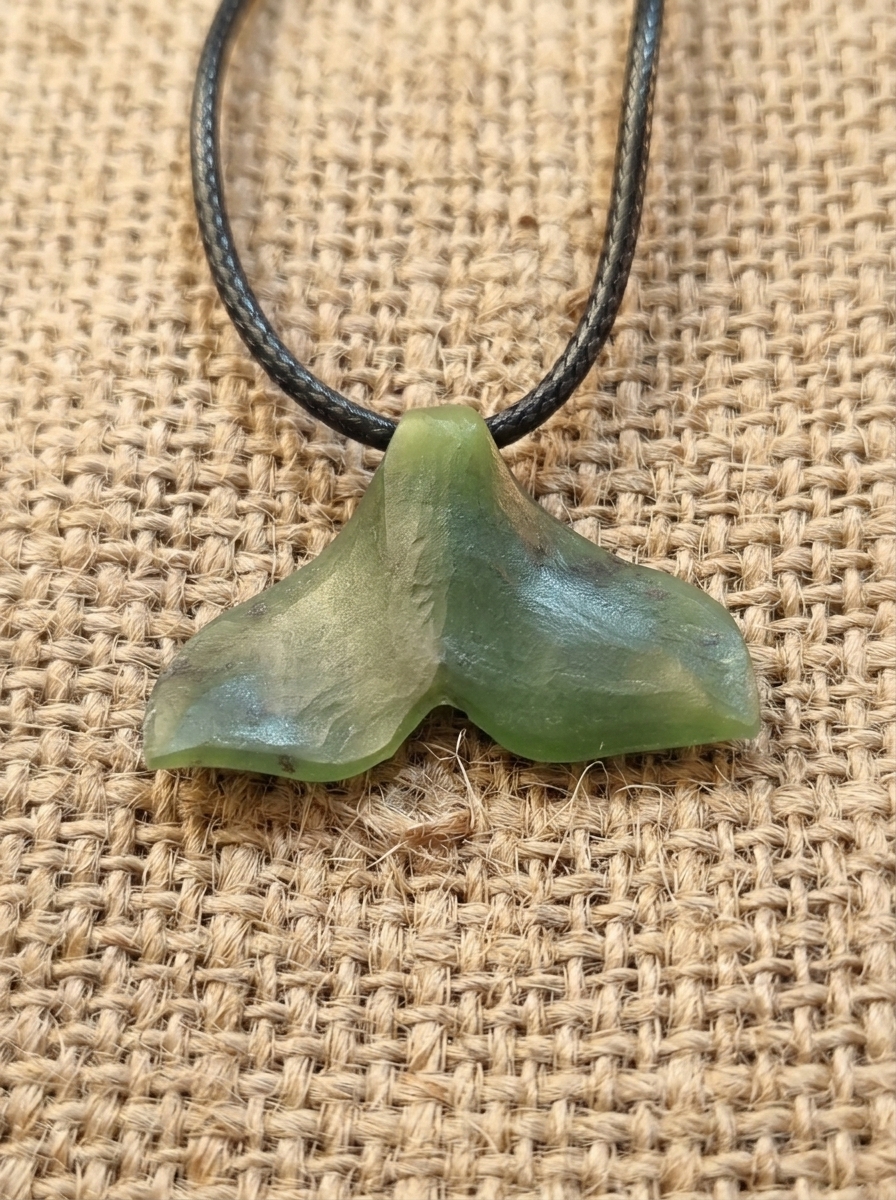
Continue reading jade and silver vs jade and gold settings, or view this hand-carved green jade whale tail pendant.
In the platinum vs palladium comparison, confirm the exact alloy and ask a jeweler about repair and resizing options for the specific piece.
For independent background, consult the Britannica overview of palladium.
Platinum vs Palladium: Comparing Jewelry Metals
In the world of fine jewelry, purity is paramount. Unlike white gold, which requires rhodium plating to maintain its color, both platinum and palladium are naturally white and hypoallergenic.
- Platinum (Pt): Typically utilized in a 95% purity (950 Platinum), often alloyed with iridium or ruthenium to increase hardness.
- Palladium (Pd): Also used at 950 purity. It is rarer than platinum and belongs to the same chemical family, offering similar resistance to atmospheric oxidation.
Density and the “Hand Feel”
One of the most immediate technical differences is specific gravity. Platinum has a density of approximately 21.45 g/cm³, while palladium is much lighter at about 12.02 g/cm³. This means a platinum ring will feel significantly heavier on the finger than a palladium ring of the same dimensions. For large, statement pieces, palladium offers a “featherlight” advantage without sacrificing the luxury of a noble metal.
Durability and the “Patina” Effect
When we discuss durability, we aren’t just talking about breaking; we are talking about displacement versus loss. This is where the technical superiority of the PGM family shines compared to gold.
The Work-Hardening Factor
Palladium is technically harder than platinum on the Vickers scale. However, platinum is more malleable. When platinum is scratched, the metal is simply shifted—a phenomenon known as the “Patina Effect.” No metal is actually lost. Over time, these microscopic shifts create a matte finish that many collectors cherish as a mark of authenticity. Palladium, being slightly more brittle, behaves more like gold; while it is very scratch-resistant, a deep impact is more likely to remove a microscopic amount of metal rather than just displacing it.
The Bench Jeweler’s Perspective: Setting and Repair
From a craftsmanship standpoint, platinum is the “Gold Standard” for securing precious gemstones. Its lack of “memory” means that once a prong is pushed over a stone, it stays there. Palladium has a higher melting point (approx. 1555°C) and requires specialized atmospheric welding (often using Argon gas) to prevent oxidation during repair. This makes palladium slightly more complex to resize or repair in traditional workshops.
Aesthetic Versatility: From Metal to Gemstone
While the debate usually centers on wedding bands, these metals serve as the perfect structural foundation for vibrant gemstones. The cool, neutral tones of platinum and palladium do not “leak” yellow light into stones, preserving the true color of the gem.
Explore a related in-stock jade piece from Stone-Flower:

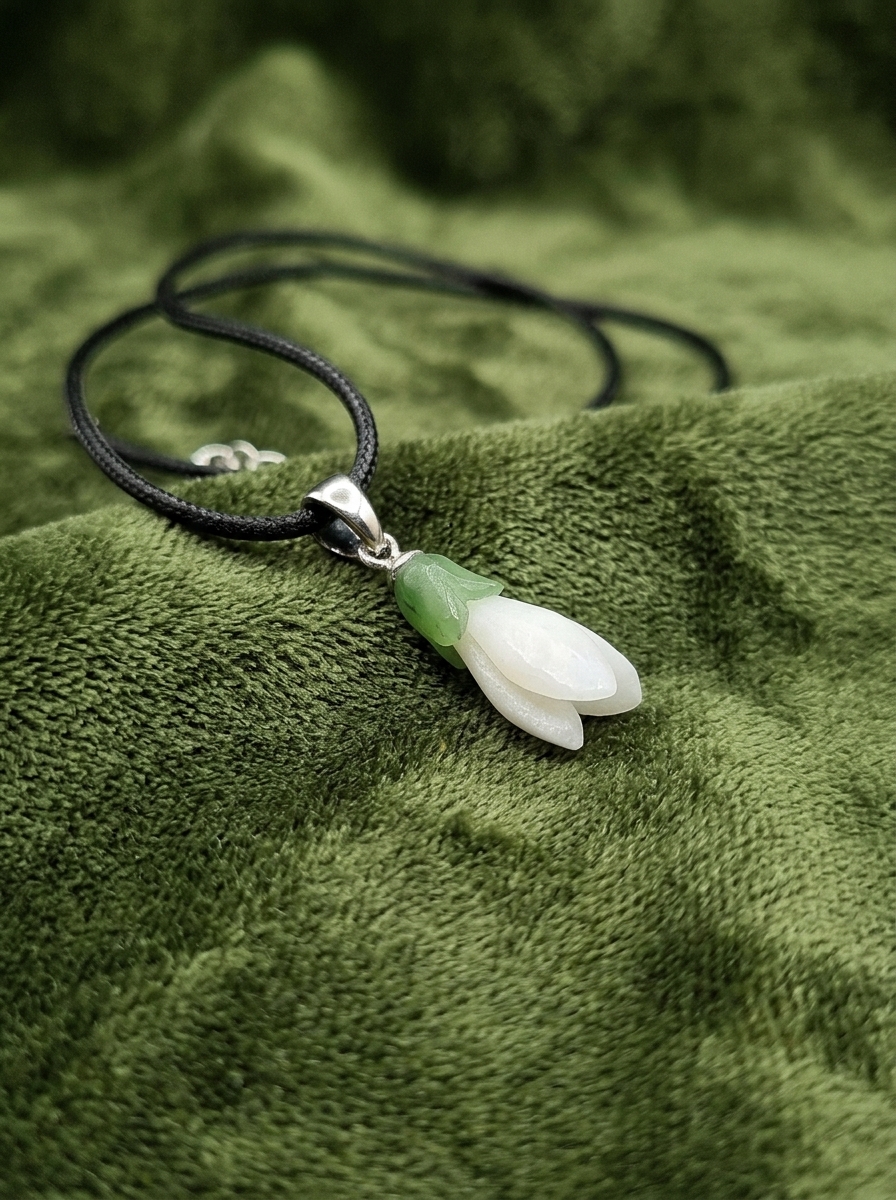
Snowdrop Jade Pendant — White & Green Siberian Nephrite, Hand-Carved, 2.5 cm
Hand-Carved Siberian Jade "Snowdrop" Pendant (2.5 cm)
A delicate botanical flower pendant measuring 2.5 cm in length, hand-carved from genuine Siberian jade. Features three sculpted petals of translucent white jade beneath a rich green jade sepal. Finished with meticulous hand polishing without waxes, varnishes, or chemical sealants, highlighting the pure natural luster of the stone. Fitted with a hypoallergenic medical-grade metal bail on a cord.
This is particularly vital for stones with complex internal structures, such as Jade. The deep greens and milky whites of high-quality jade require a secure, non-reactive housing. If you are looking for the perfect blend of ancient stone and modern metal, you can buy Jade Pendants on our website, where we prioritize settings that respect the durability requirements of the wearer.
Cost Dynamics: The Rarity Gap
Historically, platinum was the more expensive of the two. However, due to its heavy use in the automotive industry (catalytic converters) and limited mining supply, palladium has seen periods of extreme price volatility, sometimes surpassing platinum in cost per ounce. When choosing, it is wise to consider that while palladium may save on weight-based costs, the labor costs for specialized palladium smithing can bridge that price gap.
Summary Table: Technical Comparison
| Feature | Platinum (950) | Palladium (950) |
|---|---|---|
| Density | High (Heavy feel) | Low (Light feel) |
| Hardness (Vickers) | ~80–120 (Annealed) | ~100–145 (Annealed) |
| Color | Naturally White | Naturally White (Slightly darker) |
| Maintenance | Develops Patina (Polishable) | Scratch Resistant (Harder to resize) |
| Hypoallergenic | Yes | Yes |
Conclusion: Which Should You Choose?
If you value the heft and prestige of a heavy metal that will never wear away, Platinum is your winner. It is the ultimate “heirloom” metal. If you prefer a lightweight, high-strength alternative that maintains a modern, bright-white look without the weight of platinum, Palladium is a sophisticated choice.
No matter the metal, the soul of the piece often lies in the stone it carries. For those who appreciate the intersection of durability and timeless beauty, explore our collection and discover how Jade Pendants can become a staple of your jewelry wardrobe.
Frequently Asked Questions (FAQ)
1. Does palladium turn yellow over time like white gold?
No. Both palladium and platinum are naturally white metals. They do not contain yellow gold in their alloy, so there is no yellow tint to reveal. They never require rhodium plating to maintain their color.
2. Is platinum better for sensitive skin?
Both are excellent for sensitive skin. Because they are typically 95% pure, they lack the nickel alloys often found in lower-karat gold, which is the primary cause of metal allergies.
3. Can I wear a platinum ring next to a palladium ring?
It is generally discouraged. Because palladium is slightly harder than platinum, the palladium piece may slowly “file down” or scratch the platinum piece over years of friction. It is best to match the metals of stacked rings.
Meta Description: Platinum vs. Palladium: Discover the technical differences in density, durability, and cost to choose the best metal for your fine jewelry investment.
——————–